Climate, soil and traditions: how terroir shapes great wines. Select a country on the map to discover its regions, grape varieties and wines worth trying.
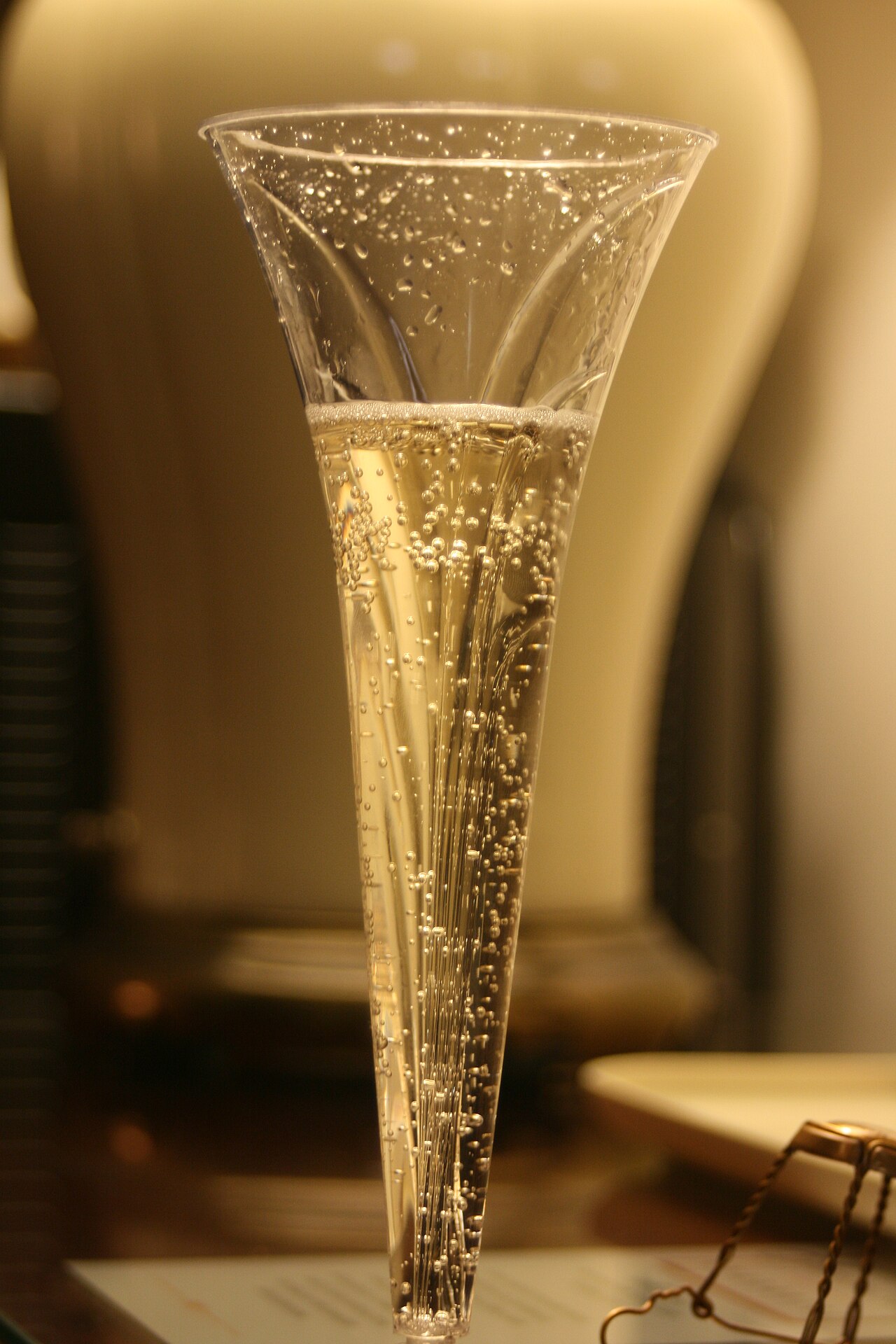
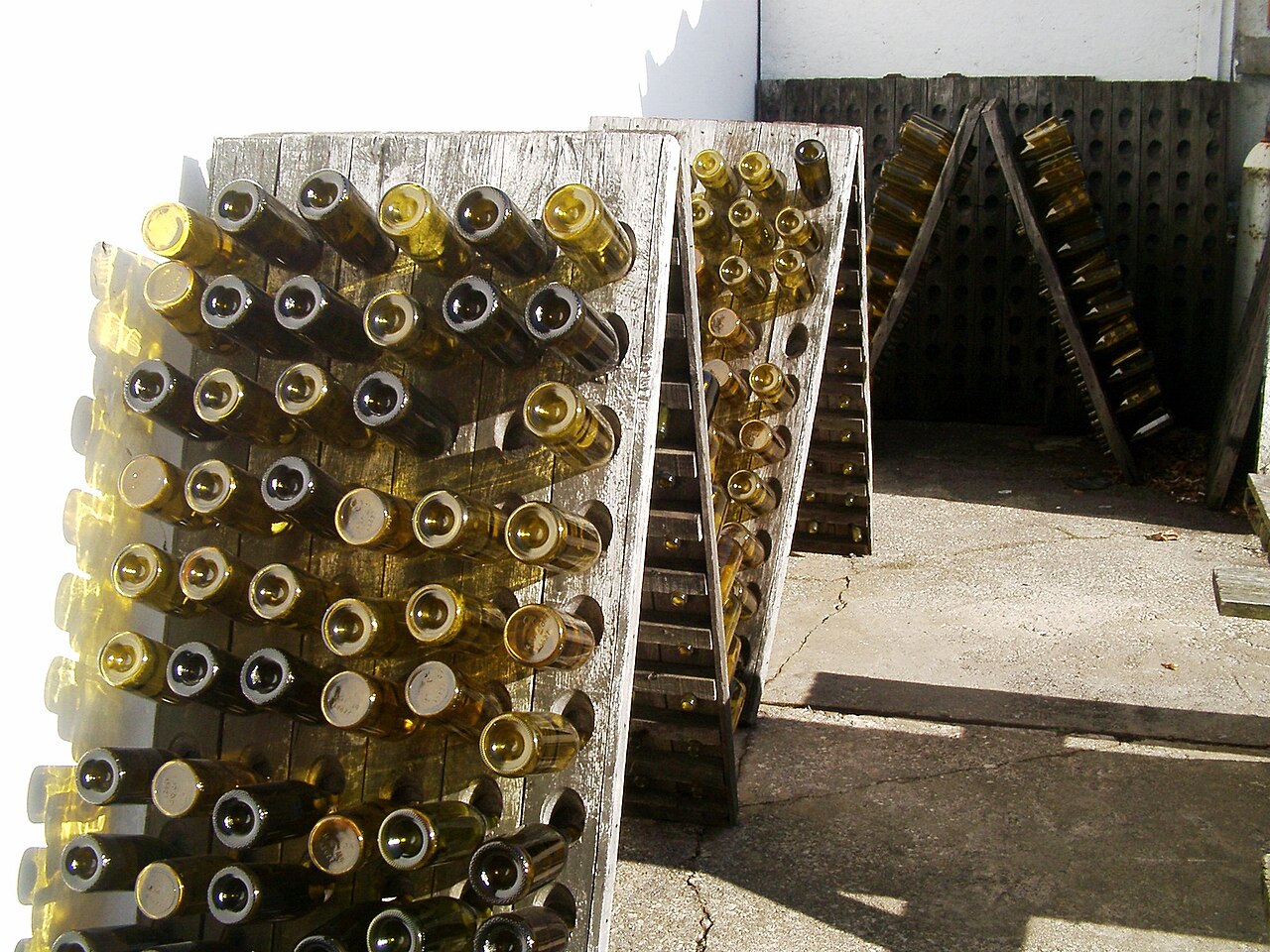
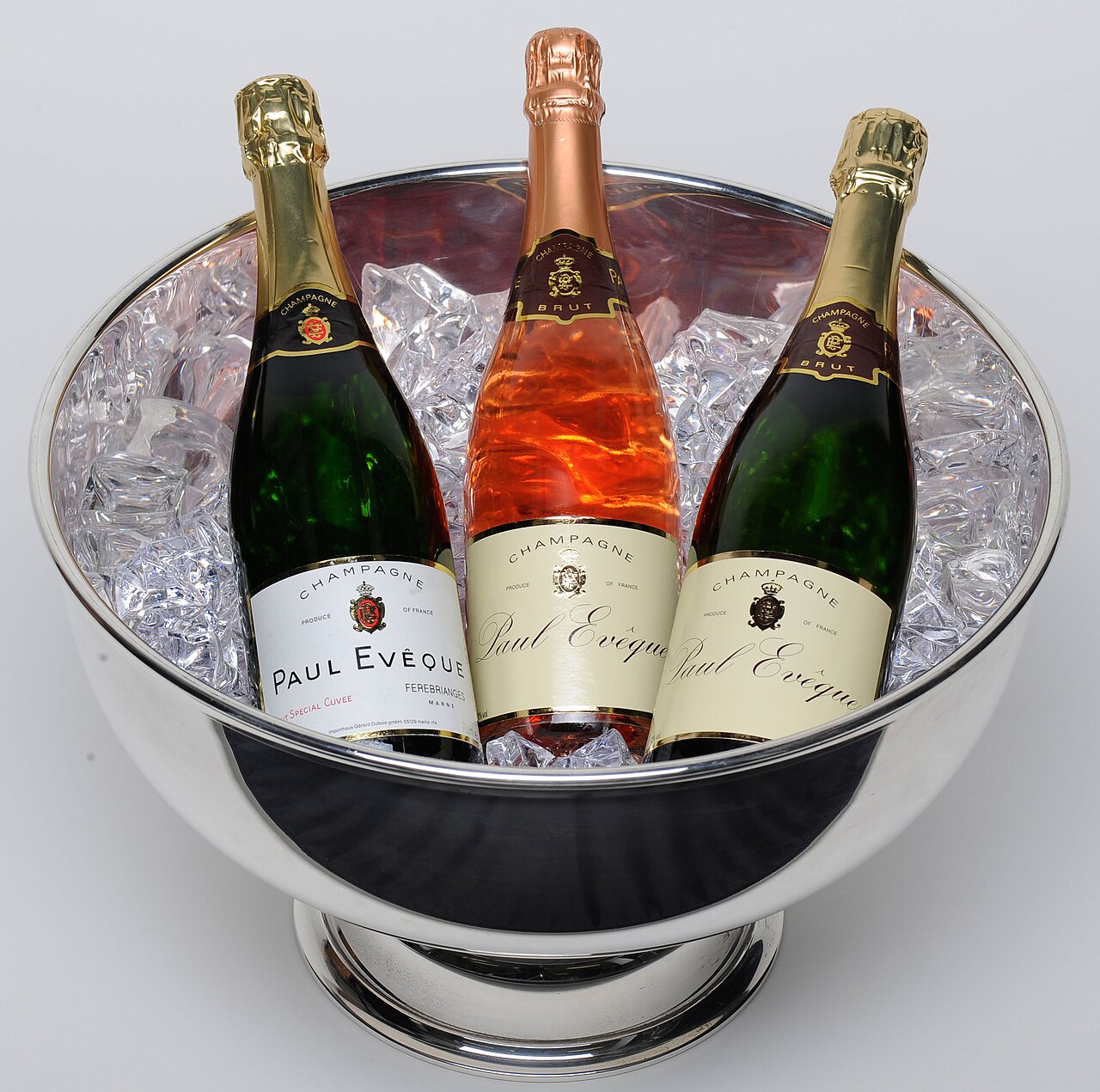
The classic way to make sparkling wine, with secondary fermentation taking place in the bottle. Champagne, Cava and Crémant are made this way. This labour-intensive process gives the wine complexity, a creamy texture and fine bubbles.
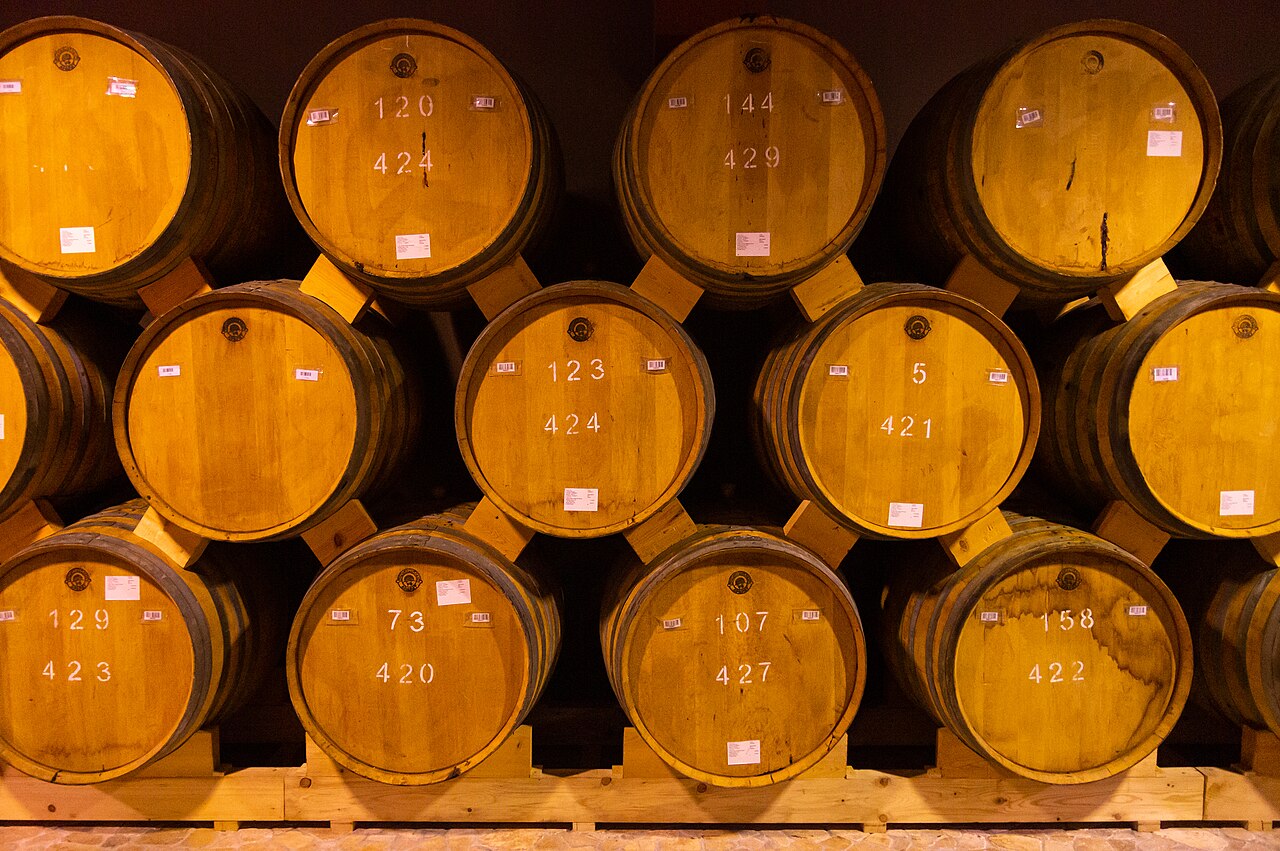
A classic ageing method that brings complexity, structure and refined aromas to wine. French oak contributes subtle vanilla and spice, while American oak gives more pronounced coconut and sweet-spice notes. Barrel size determines the intensity of its influence.
Aroma
Vanilla, coconut, spice, toast, coffee and chocolate
Texture
Roundness, a velvety feel and integrated tannins
Colour
Colour stabilisation and slight clarification of whites
Ageing
Ageing potential of 10 to over 50 years
Oxygen exposureHigh
Influence on flavourStrong
Ageing potential10–50+ years
Cost€€€
Terroir expressionMedium
Comparison of ageing methods
Parameter
Oak
Steel
Concrete
Amphora
Oxygen exposure
High
No
Moderate
Moderate
Influence on flavour
Strong
No
Minimal
Medium
Ageing potential
10–50+ years
1–5 years
3–15 years
5–30+ years
Cost
€€€
€
€€
€€
Terroir expression
Medium
High
High
Very high
Serving temperature
The ideal temperature for every wine
The right temperature reveals a wine’s full potential: its aroma, flavour and texture
Do not freeze the bottle or you will lose the bubbles
Hold the bottle by its base, not its neck
Too cold?
Over-chilled wine loses aroma and flavour. Warm the glass in your hands or leave it on the table for 5–10 minutes.
Too warm?
Warm wine can taste alcoholic and flat. Place the bottle in a bucket of ice and water for 10–15 minutes.
How can you check?
Use a wine thermometer or an app. The bottle should feel cool, but not icy.
Quick temperature guide
Wine type
Temperature
Chilling time
Method
Sparkling
6–8°C
3–4 hours in the fridge
Ice bucket for 20–30 min
Light-bodied whites
7–10°C
2–3 hours in the fridge
Fridge or wine cooler
Full-bodied whites
10–13°C
1½–2 hours in the fridge
Remove 15 min before serving
Rosé
8–12°C
2–2½ hours in the fridge
Fridge or wine cooler
Light-bodied reds
12–14°C
30–45 min in the fridge
Lightly chilled
Medium-bodied reds
14–17°C
Cool room
Full-bodied reds
16–18°C
Decant for 1–2 hours
Fortified
12–18°C
Depends on style
Dry styles cooler, sweet styles warmer
A journey through time
The history of winemaking
8,000 years of wine culture, from ancient amphorae to modern technology
Periodfrom 6000 BC to AD 500
6000 BC
The origins of winemaking
The earliest evidence of winemaking in Georgia and present-day Iran
3000 BC
Egypt and Mesopotamia
Wine becomes a drink of pharaohs and priests, and the first wine cellars appear
1500 BC
The Phoenicians
Viticulture spreads across the Mediterranean through trade routes
800 BC
Ancient Greece
The cult of Dionysus, wine as part of philosophy and culture, and the first wine classifications
200 BC
The Roman Empire
Winemaking becomes systematised, the first appellations emerge and wine spreads across Europe
8,000+ yearsof winemaking history
10,000+grape varieties worldwide
70+wine-producing countries
300+ billionbottles per year
Glossary
Glossary of wine terms
The key concepts of wine, from appellation to chaptalisation. 90 terms.
Acidity
The freshness in wine that makes your mouth water. Without it, wine is flat; too much makes it sharp.
Aeration
Exposing wine to oxygen to release its aromas, through decanting or swirling in the glass.
Ampelography
The study of grape varieties, describing and identifying them by their leaves, bunches and berries.
Amphora
A clay vessel for fermenting and ageing wine. Clay breathes without adding woody aromas.
AppellationAppellation
A geographic area governed by defined wine-production rules. It guarantees origin and quality.
AssemblageAssemblage
Blending wines from different grape varieties, plots or vintages to create the final cuvée.
BarriqueBarrique
A 225-litre oak barrel, the Bordeaux standard. A Burgundy pièce holds 228 litres.
BâtonnageBâtonnage
Stirring the yeast lees in a barrel or tank. It makes white wine rounder and creamier.
BiodynamicsBiodynamie
Viticulture based on Rudolf Steiner’s teachings: no synthetic products, herbal preparations and a calendar for vineyard work. Demeter and Biodyvin certifications. Read article →
Blanc de blancsBlanc de blancs
White wine, usually sparkling, made only from white grapes. In Champagne, this means Chardonnay. Read article →
Blanc de noirsBlanc de noirs
White wine made from black grapes: the juice is pressed immediately, with almost no skin contact.
Blending
Mixing wines from different grape varieties. In Russian usage, a synonym for assemblage.
Body
The sensation of a wine’s weight in the mouth: light, medium or full. It depends on alcohol, sugar and extract.
BotrytisPourriture noble
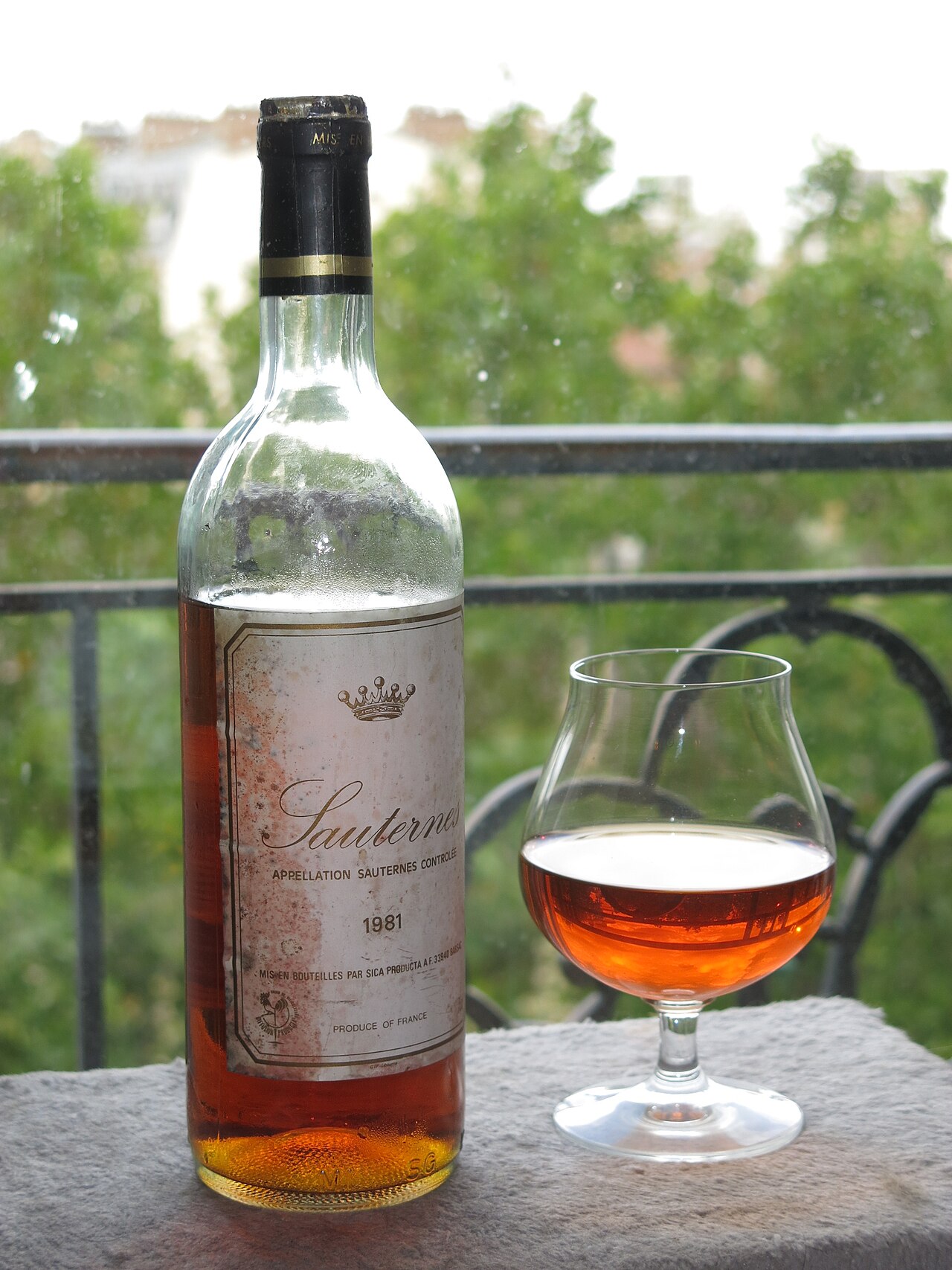
Noble rot, caused by the fungus Botrytis cinerea. In a damp autumn it dries out the berries and concentrates their sugar. The basis of Sauternes and Tokaji Aszú. Read article →
BrutBrut
A sparkling wine sweetness level: up to 12 g of sugar per litre. Only extra brut and brut nature are drier. Read article →
CaudalieCaudalie
A unit measuring the length of the finish: one second.