 Day1
NORMANDY’S CAPITAL: A HUNDRED BELL TOWERS AND YOUR FIRST ENCOUNTER WITH THE REGION
Rouen: Gothic cathedral, marché and your first Norman flavours
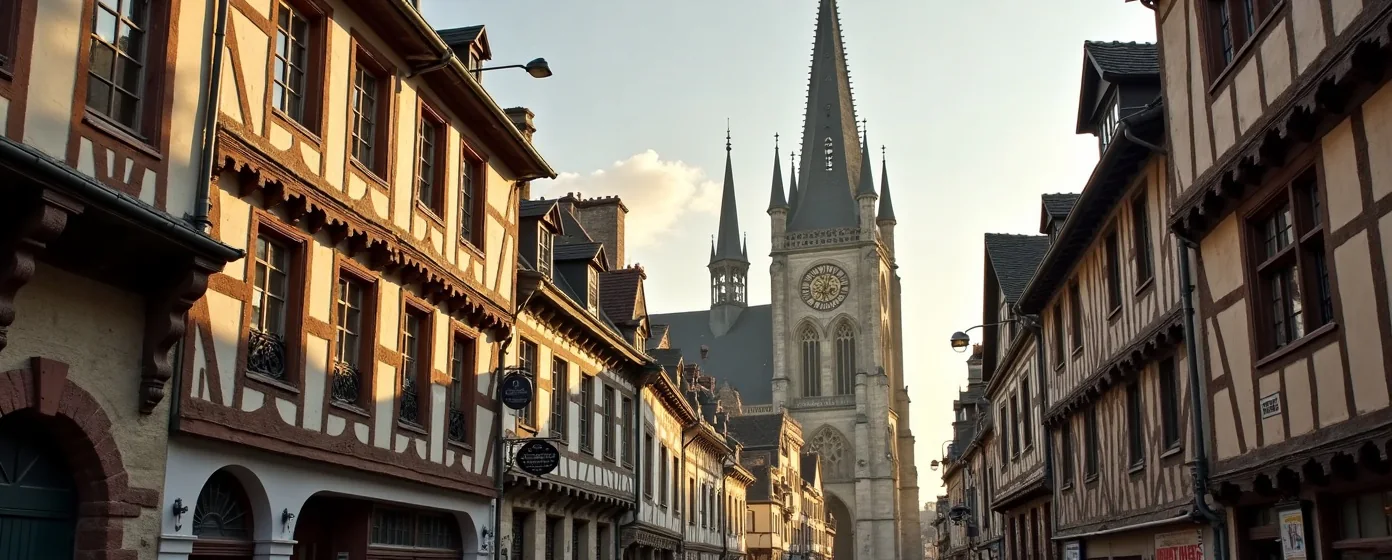
Your journey begins in Rouen, where Gothic architecture meets Normandy gastronomy. Welcome at the airport or station and transfer to your hotel. The first few hours bring a walk through the historic centre: Notre-Dame Cathedral, which inspired 30 Monet paintings; the 14th-century Gros-Horloge astronomical clock; and the timber-framed houses of Rue Eau-de-Robec. Lunch in a Normandy bistro overlooking the Seine: duck à la rouennaise with cider. After lunch, the Place du Vieux-Marché market, offering the region's finest produce six days a week: handmade Camembert, andouille de Vire, teurgoule and fresh apples. An evening tasting in an old cellar: three ciders and three Calvados, your introduction to Normandy flavours.
The day’s main stops 6
- Meet at Paris CDG/Orly or Deauville airport, or Gare de Rouen station. A comfortable car, welcome cider, introductions to your guide and a briefing about the region and programme. Discover Normandy’s gastronomic map.
- Notre-Dame Cathedral, the very one Monet painted 30 times in different light; the Gros-Horloge, a fourteenth-century astronomical clock; the Palais de Justice, one of Europe’s finest secular Gothic buildings; rue du Gros-Horloge and the old town.
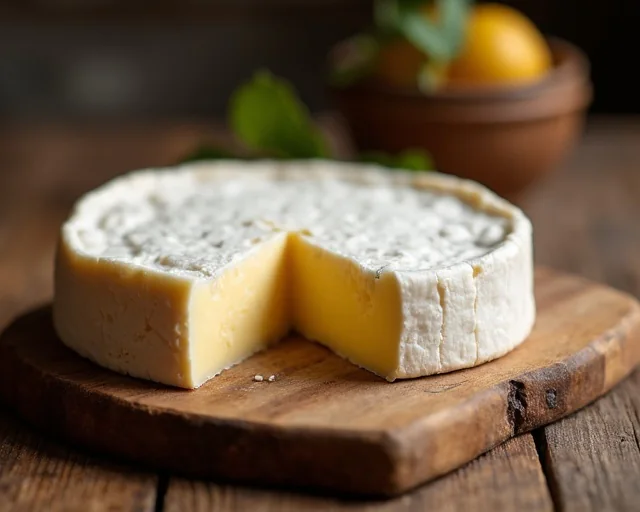
- The market on the square where Joan of Arc was burned. Camembert, Neufchâtel, Pont-l’Évêque and Livarot: a tour of Normandy’s cheeses. Fresh apples, pears, honey and andouille, everything the region is proud of. Your first purchases and tastings.
- A Norman bistro overlooking the Seine: canard à la rouennaise, pressed duck, a spectacle and a flavour; andouille de Vire and local cider. A discussion of Norman terroir: why apples rather than grapes thrive here.
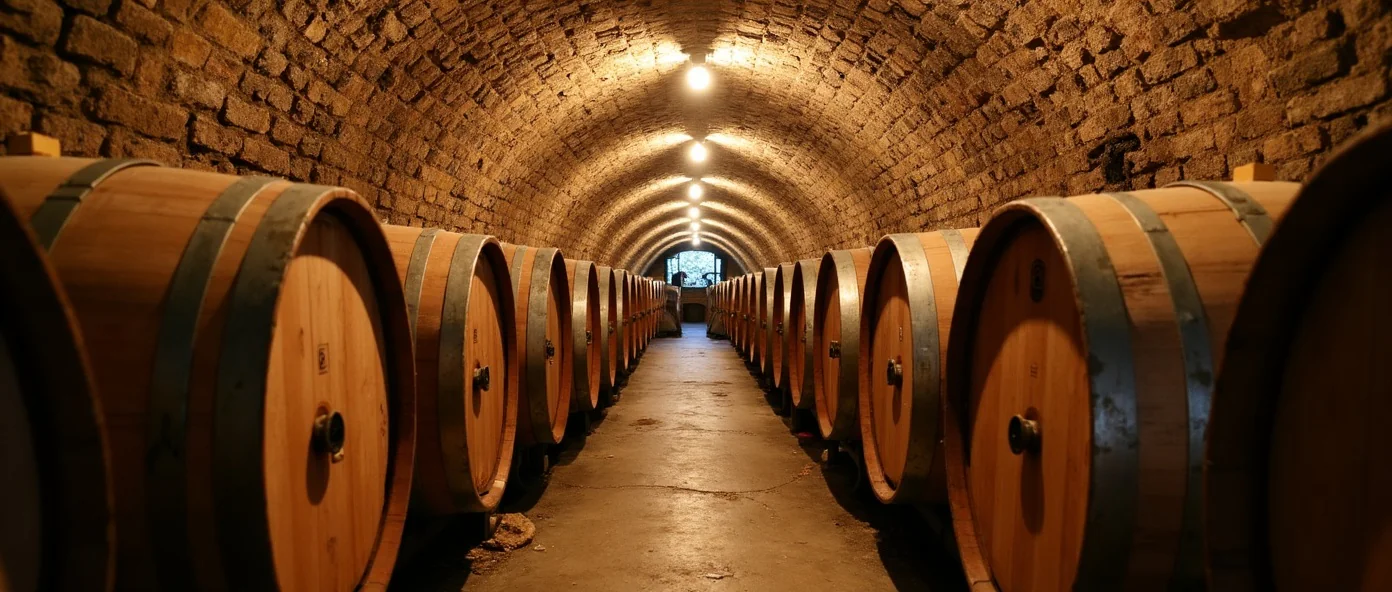
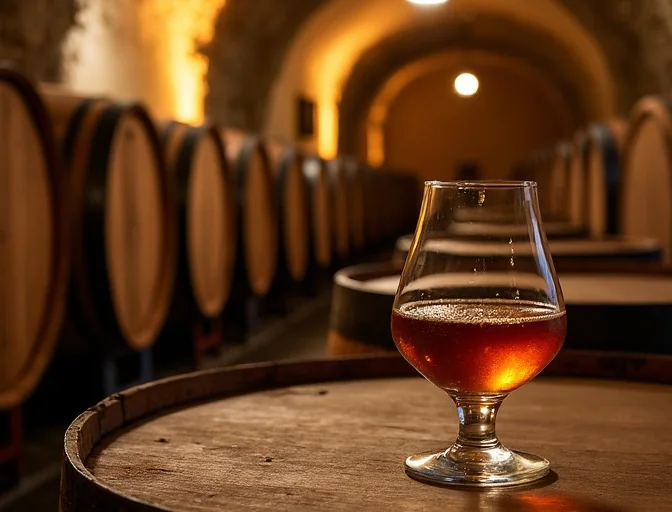
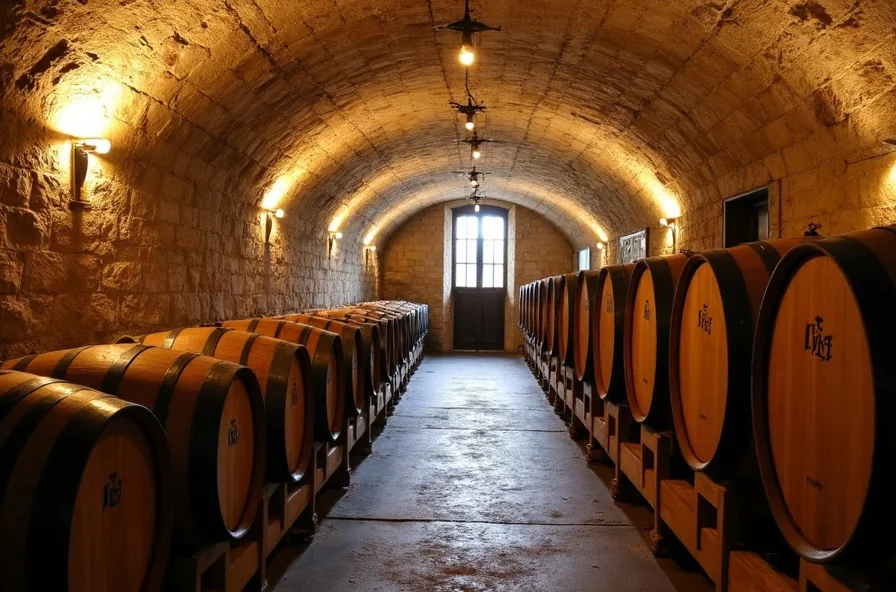
- A 15th-century cellar beneath Rouen’s streets: three cider styles (doux, demi-sec, brut) and three Calvados ages (Fine 2 ans, VSOP 4 ans, XO 10 ans). Pommeau, an aperitif you will come to love. Understanding Normandy’s apple hierarchy.
- Evening Rouen: the illuminated cathedral, Seine waterfront and dinner at a gastronomic restaurant. Sole meunière and tarte normande aux pommes. A bottle of cider from a recommended producer. The first day is over, and it has only whetted your appetite.
 Day2
NORMANDY’S APPLE SOUL: THE HEART OF CIDER AND CALVADOS
Pays d'Auge: cider farms, Calvados and handmade Camembert
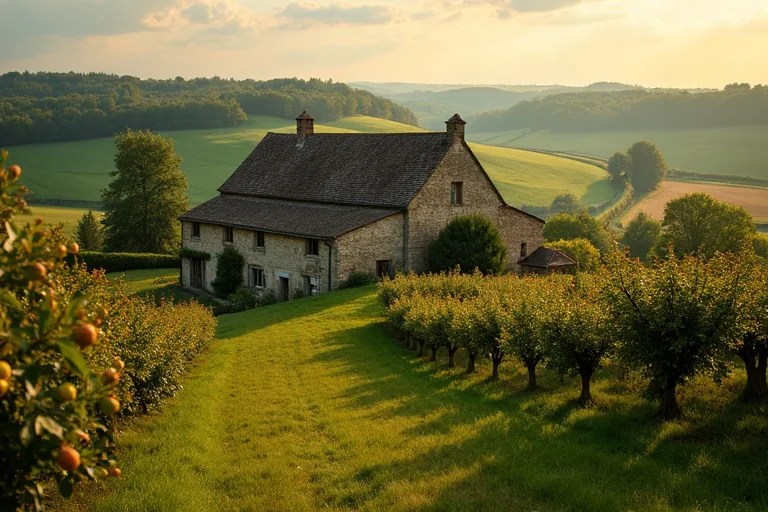
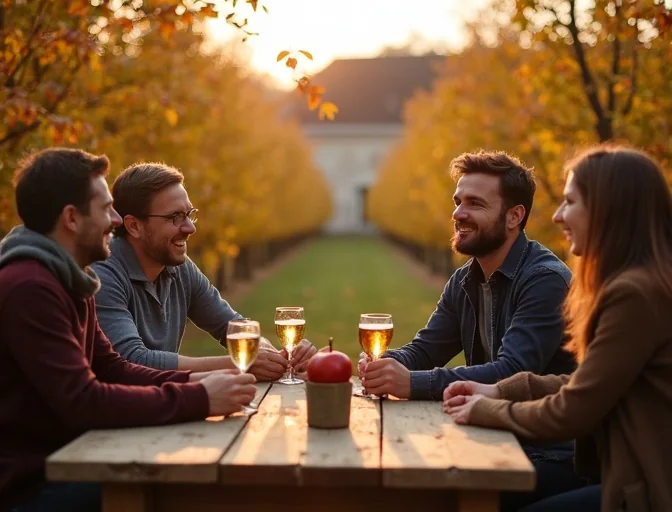
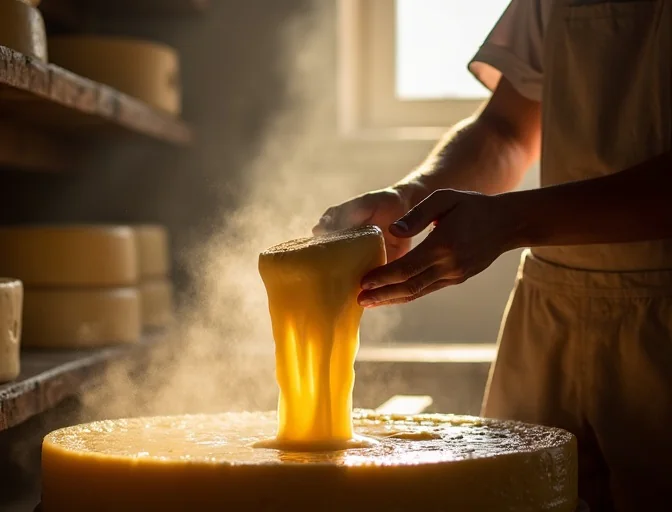
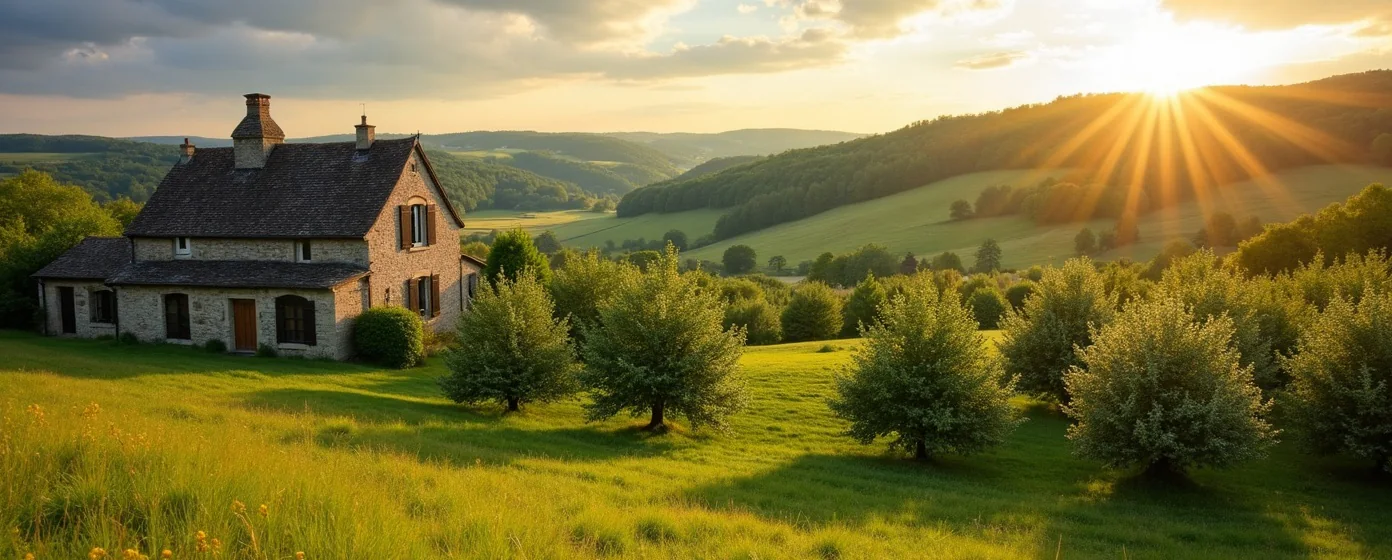
A day devoted to the apple, the fruit that defines Normandy as grapes define Burgundy. Morning at a cider farm: a walk through apple orchards with over 200 varieties, the press house and cellars with oak barrels. A tasting straight from the barrel, nothing like what is sold in supermarkets. Then a calvados farm: copper stills, double distillation and cellars with spirits aged for over 20 years. Lunch in a village restaurant: andouille, escalope normande and apple tart. After lunch, a Camembert de Normandie AOP dairy: milk, starter culture, hand moulding and ripening. A comparison of raw-milk and industrial cheese, two different worlds. In the evening, a walk through Beuvron-en-Auge, one of France’s most beautiful villages.
The day’s main stops 6
- A family estate with 30 hectares of orchards and 200 apple varieties: a tour of the pressing room and cellars. Cider straight from the barrel: cidre bouché and cidre de glace. How the farmer blends sweet, sharp and bitter apples.
- Five generations of the family have distilled Calvados: copper alembics, double distillation of cider and why it matters so much, and cellars with Limousin oak. A Fine, VSOP and XO tasting to compare age categories.
- A family restaurant with a fireplace: escalope normande (veal with Camembert in cream sauce), andouille de Vire and pommes au four (baked apples with Calvados). Cider from the neighbouring farm.
- A farm with its own herd of Normandy cows: milk → starter culture → curdling → hand moulding → ripening. Taste Camembert at three stages of maturity. Compare raw-milk AOP cheese with industrial cheese.
- Timber-framed houses, flower baskets and a cider shop. The chance to buy local Calvados and cider. Free time for a walk.
- An evening in Honfleur, the painters’ harbour, with oysters, fish and scallops. Or elegant Deauville with its beach and casino. Your guide recommends restaurants.
 Day3
THE DAY YOU BECOME A MASTER BLENDER AND A NORMAN COOK
Workshop: create your own Calvados + a Normandy cooking class
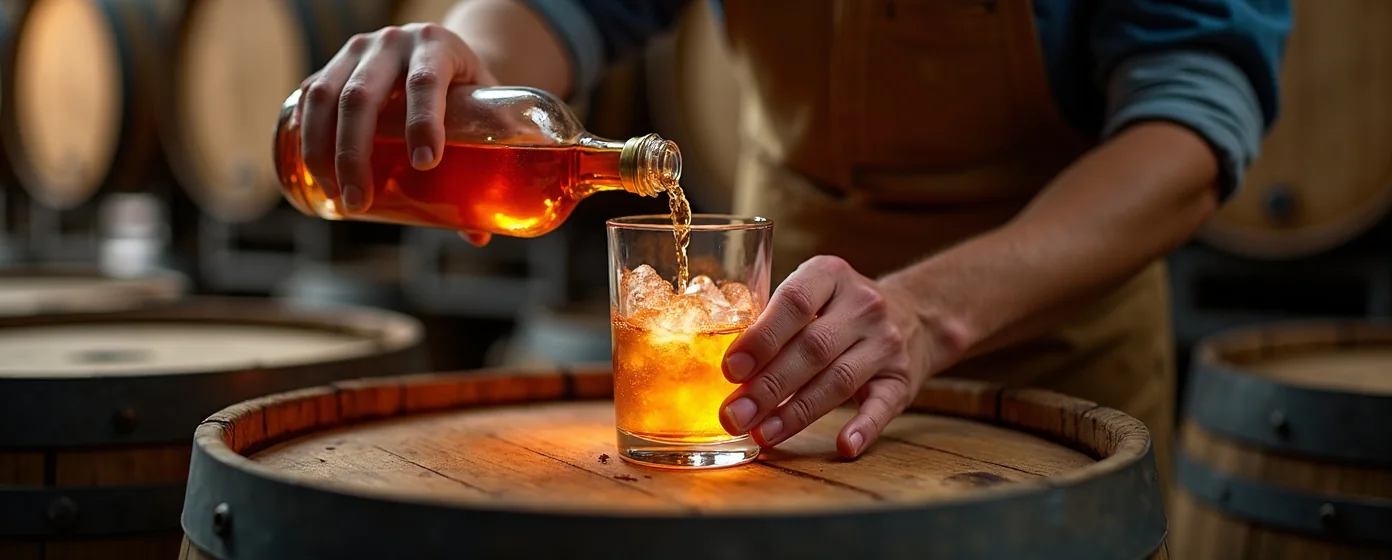
The most creative day of the journey. Morning begins in a Calvados cellar, where a master blender leads a private workshop. You learn how Calvados of different ages, apple varieties and barrels are blended to create a distinctive bouquet. With the master's guidance, you create your own bottle, with your name on the label, to take home. After lunch, a cooking class in a Normandy chef's private home: you learn to make tarte normande aux pommes, escalope normande and teurgoule, the cinnamon rice pudding Normans have eaten for 300 years. In the evening, dinner is what you have cooked yourselves, accompanied by cider and the Calvados you created that morning.
The day’s main stops 5
- Meet a maître assembleur in a family cellar. Theory: how different apple varieties—sweet, sharp and bitter—and years of ageing create Calvados’s character. Practice: under the master’s guidance, taste 8–10 samples from different barrels and create your own unique blend. Bottle it with your own personalised label; this Calvados goes home with you.
- A light lunch of local produce: fresh Camembert, Norman ham, apple salad and cider. Time to discuss your blend and your impressions of the workshop.
- The private home of a Norman chef. Put on an apron and prepare three dishes: tarte normande aux pommes, with thin pastry, apples, calvados and crème fraîche; escalope normande, with veal, Camembert, cream and cider; and teurgoule, the legendary cinnamon rice pudding slow-cooked for five hours. The chef shares family secrets and stories.
- Free time in the apple orchards. The peace and quiet of the Norman countryside is a rare pleasure.
- A celebratory dinner: eat what you have cooked and drink the Calvados you created that morning. The chef joins the table for conversations about food, life and Normandy. One of the warmest evenings of the trip.
 Day4
OYSTERS YOU WILL OPEN YOURSELF, AND MEAT BORN OF THE SEA
Oyster workshop and pré-salé salt meadows
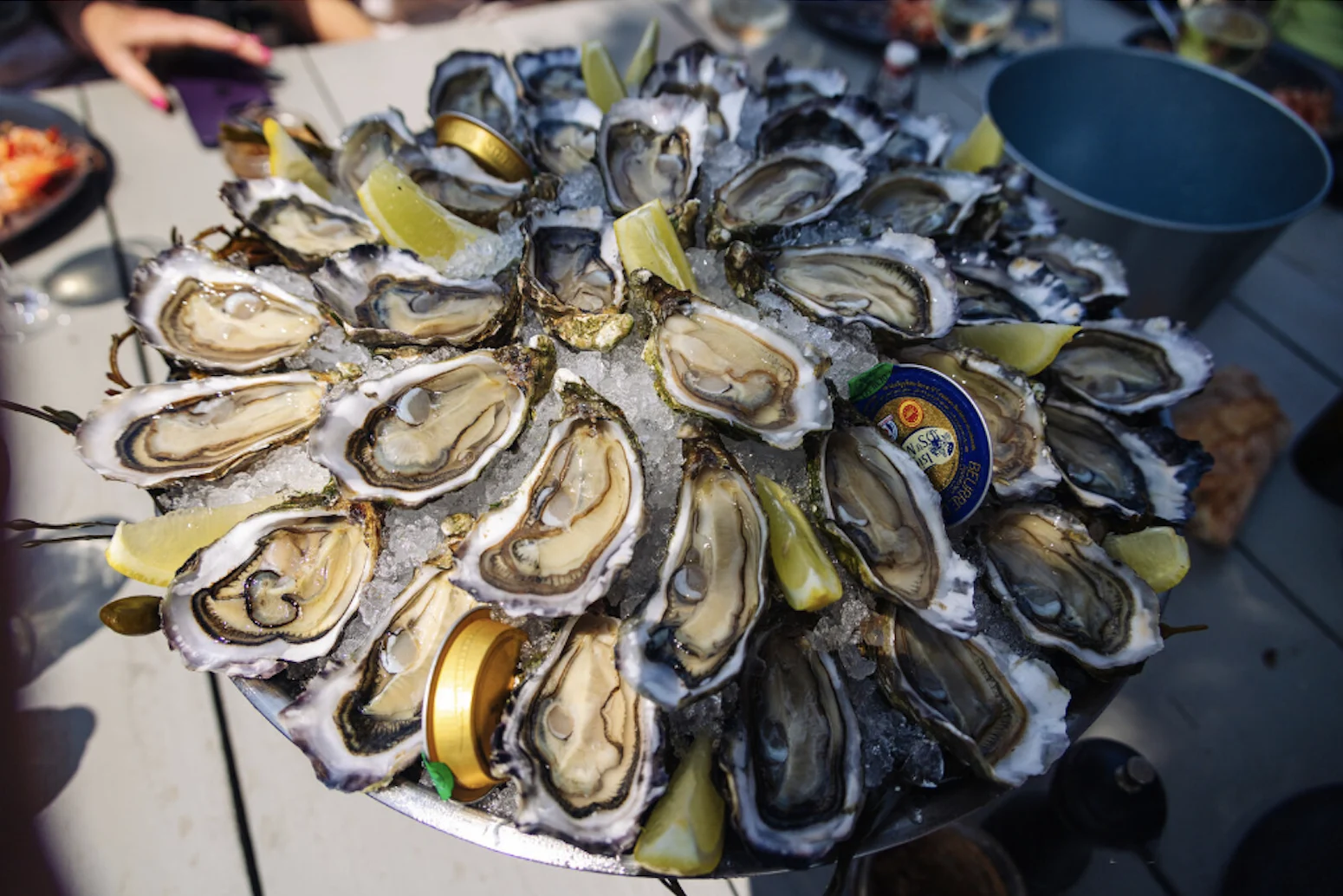
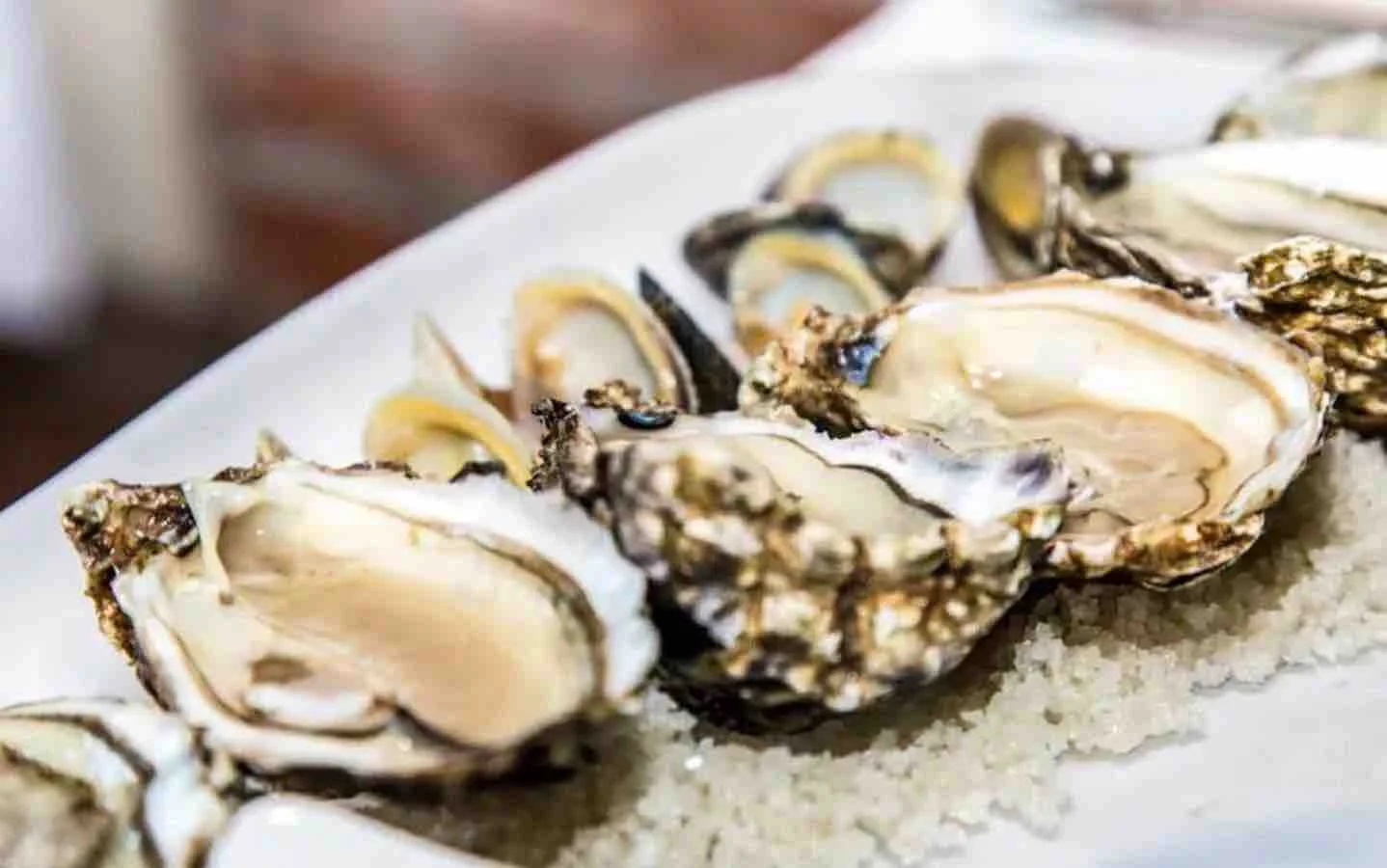
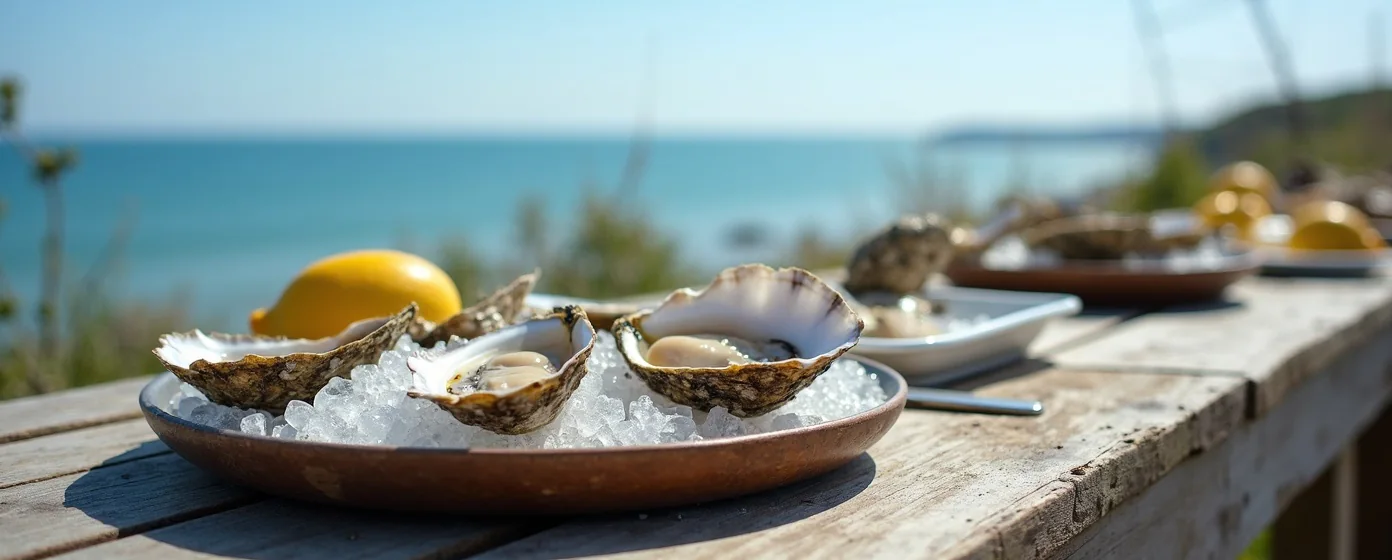
A day on the coast. The morning begins at one of Normandy’s oldest oyster farms, where a family has grown oysters for four generations. An oyster-opening workshop: learn how to hold the knife correctly, find the hinge and open the shell without harming the oyster. Then a tasting, comparing oysters of different sizes, No. 2, No. 3 and No. 4, from different parts of the bay and of different ages. You will understand the difference between fine de claire and spéciale, and never look at oysters in the same way again. After the oysters, a journey through the pré-salé salt meadows: vast areas covered by Europe’s highest tides, where sheep graze and acquire their distinctive flavour. Meet a farmer and taste agneau de pré-salé. In the evening, Saint-Malo or Cancale for more seaside discoveries.
The day’s main stops 8
- Drive through the Norman countryside to the Cotentin coast. Panoramic views of the English Channel, with your guide explaining the region’s maritime gastronomy and the history of Normandy’s oyster industry.
- Four generations of the family have grown oysters in these waters. A farm visit: claire ponds, the sorting workshop and grading. How tides and water temperature affect oyster flavour. Oyster terroir is no less complex than wine terroir.
- Under an oyster expert’s guidance, learn to open oysters: the right knife, angle and safe technique. A competition to open six oysters fastest and most neatly. The prize is a bottle of Muscadet.
- A comparative tasting: oysters numbered 2, 3 and 4, fine de claire versus spéciale and oysters from different parts of the bay. You learn to distinguish their iodine notes, sweetness and texture. Accompanied by Muscadet, brut cider and lemon.
- Lunch overlooking the sea: plateau de fruits de mer with oysters, langoustines, moules de bouchot and scallops in season; fresh bread, salted butter and a glass of Sancerre. Atlantic wind and the cries of gulls.
- A drive through salt meadows, where sheep graze on grass infused with sea salt. Meet a farmer and learn how salt from the soil enters the meat to create its distinctive flavour. An agneau de pré-salé tasting.
- Cancale, the oyster capital, with distant views of Mont-Saint-Michel. Or Saint-Malo, the walled city of privateers. Time for a walk and photographs.
- A restaurant above the sea: the freshest seafood and sunset over the English Channel. The day's conclusion: you are now a true écailler, an oyster specialist.
 Day5
THE WONDER ON THE ROCK: THE JOURNEY’S MAIN DAY
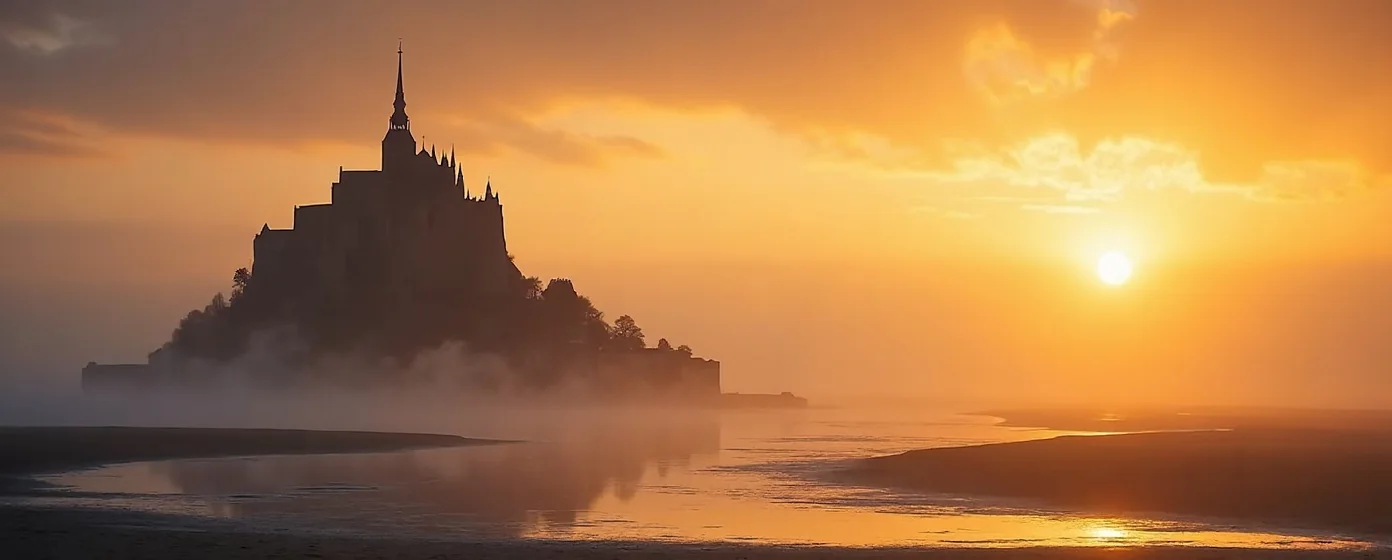
Mont-Saint-Michel: abbey, bay and grandeur
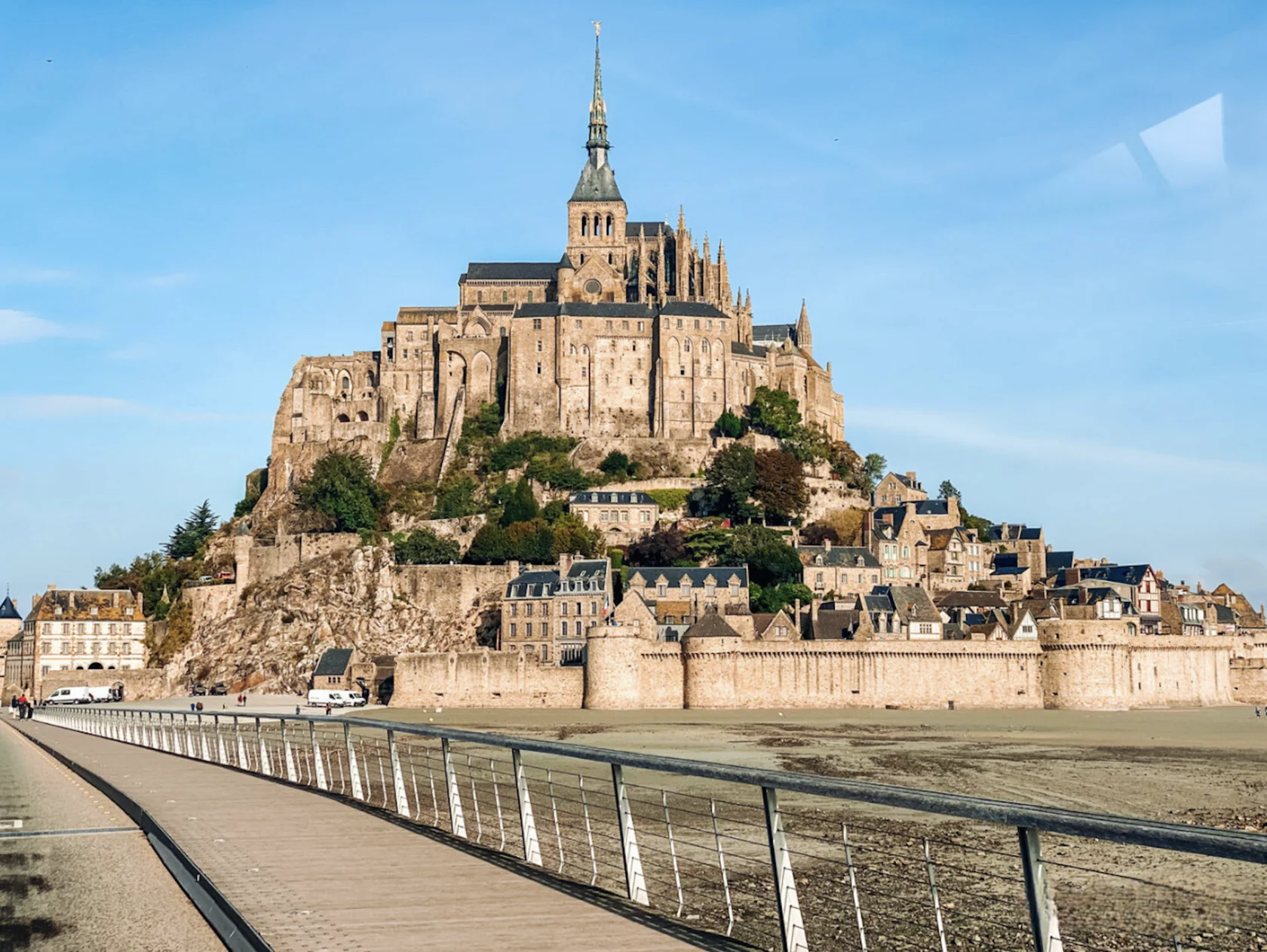
A day that brings many people to France. An early departure to enter the abbey before the tourist coaches arrive. A tour of the abbey: the Gothic church, cloister overlooking the bay, knights’ hall and giant cargo-lifting wheel, the roue à écureuil. The history of the Benedictine monks and the legend of the Archangel Michael’s appearance in 708. A walk through the village inside the fortifications: Grand Rue, souvenir shops and crêperies. Lunch at a restaurant overlooking the bay: agneau de pré-salé, the very kind we encountered yesterday; Saint-Jacques scallops and the famous Mère Poulard omelette. After lunch, a walk along the causeway and the bay’s wide sands, where the tide rises 14 metres. An evening return and an understanding of why Mont-Saint-Michel is called the eighth wonder of the world.
The day’s main stops 7
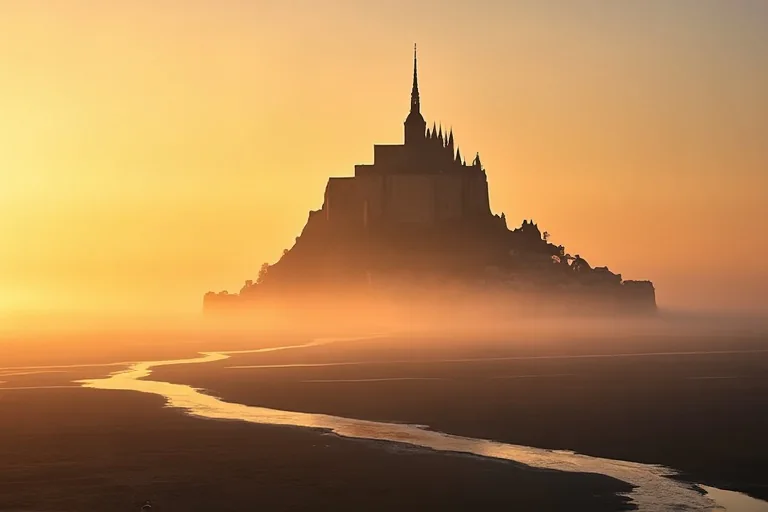
- An early start to see Mont-Saint-Michel in the morning mist. The approach where the abbey emerges like a mirage is one of the most impressive views of your life.
- Enter the abbey before the crowds: the abbey church, cloister overlooking the bay, refectory, Knights’ Hall and treadwheel. The Benedictine order’s history:1,300 years of prayer and work on a rock in the sea. A panorama of the bay from the upper terrace.
- Grand Rue within the ramparts: boutiques, confectioners selling sablés normands and souvenirs. Saint-Pierre Chapel. Butter with Guérande salt and fleur de sel caramel are the best souvenirs.
- A restaurant on the island or coast: agneau de pré-salé, Mère Poulard omelette made to its historic recipe, scallops and moules de bouchot. Cider or Muscadet, with a view of the abbey.
- A walk along the causeway and sands around the island. The story of the tides, where the water rises 'at the speed of a galloping horse'.
- Time for your own walk, photographs and shopping. Climb the ramparts and walk around the island’s perimeter for a 360-degree view of the bay.
- Return through a Normandy village. Dinner: your guide recommends the region's best restaurants. Discussing your encounter with the eighth wonder of the world.
 Day6
YOU PICK UP A BRUSH AND PAINT THE CLIFFS THAT INSPIRED MONET
Étretat: painting on the cliffs en plein air, like the Impressionists
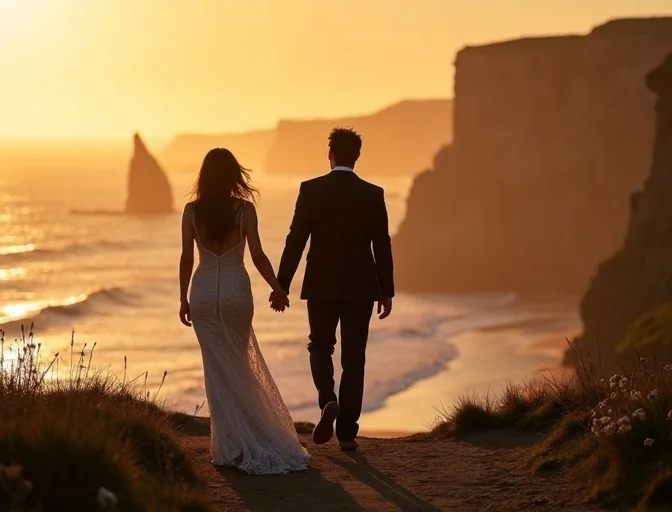
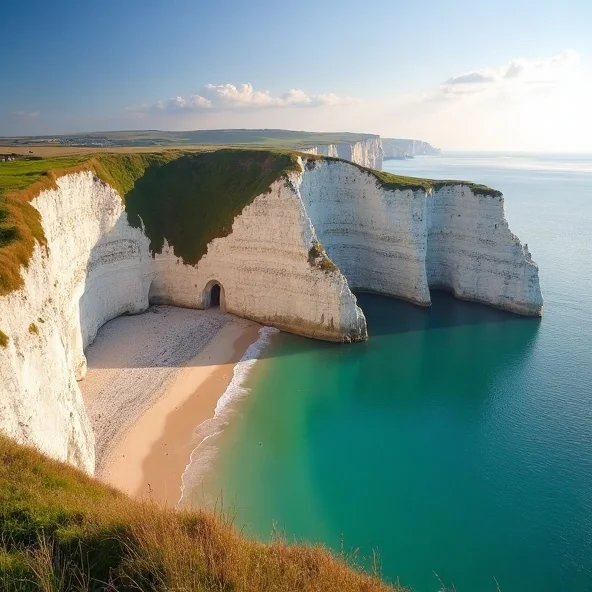
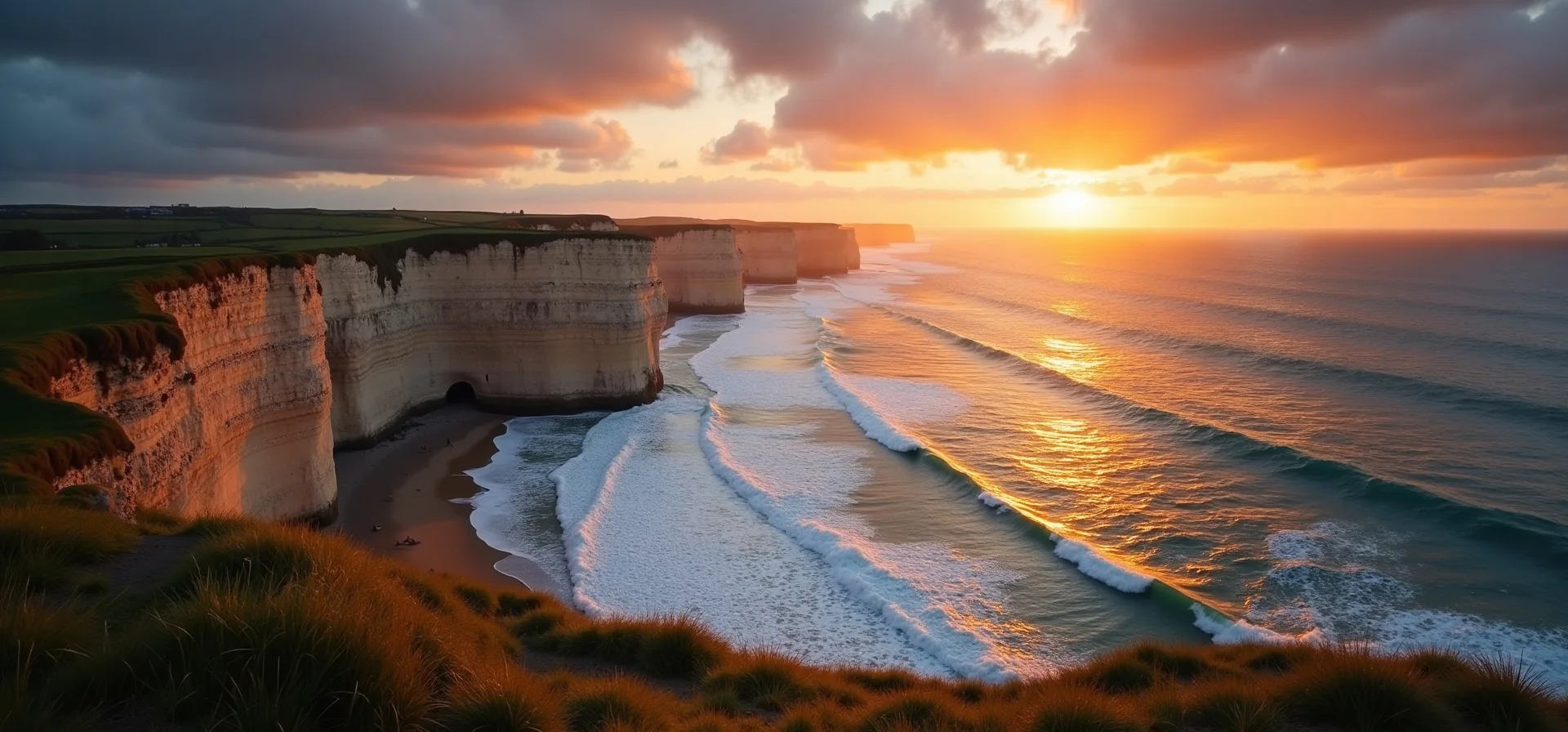
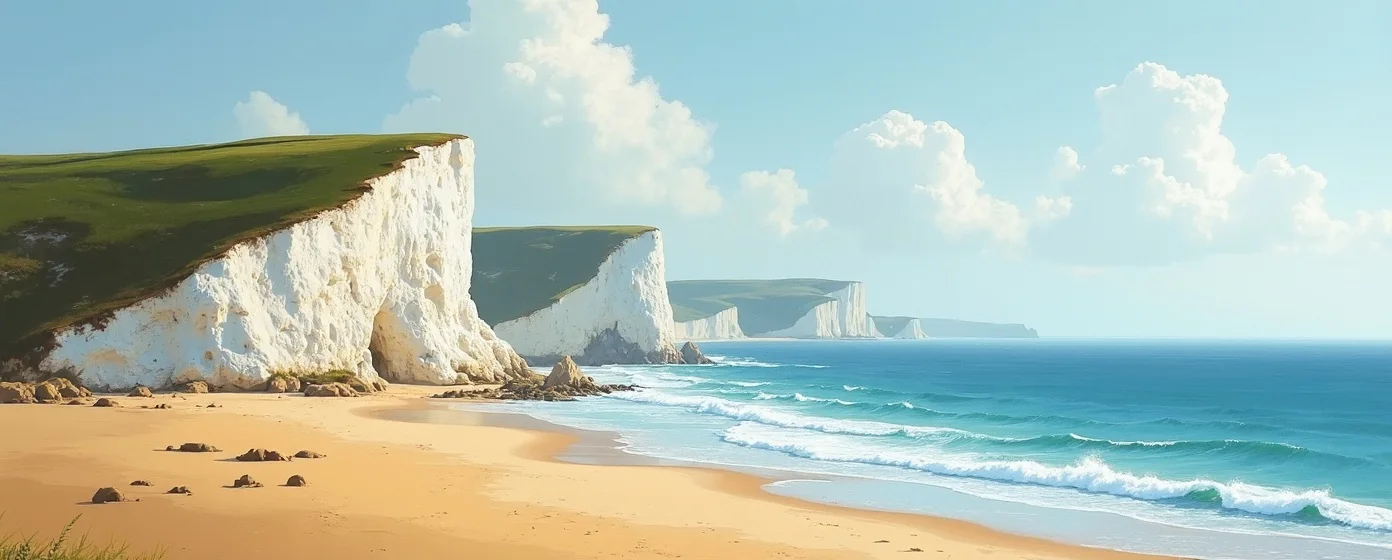
A day that nourishes the soul. In the morning, we head to the Alabaster Coast, the Côte d’Albâtre. Étretat’s cliffs: the famous arches and the ‘Needle’ in the English Channel, painted dozens of times by Monet, Boudin, Corot and Courbet. A walk along the upper path above La Mancheporte, with breathtaking views. Then a painting workshop en plein air, outdoors, right on the cliffs. A professional artist, a graduate of the Paris Academy of Fine Arts, introduces Impressionist techniques: capturing light on white cliffs, conveying the waves’ movement and mixing colours for a Norman sky. Easel, canvas and oils are all provided. You paint your own view of Étretat to take home. After painting, lunch in a restaurant overlooking the cliffs: fresh seafood and a glass of white wine. In the evening, a sunset walk on the beach.
The day’s main stops 7
- A drive along the Alabaster Coast: white chalk cliffs, azure sea and picturesque villages. The history of Impressionism in Normandy and why the movement that changed painting was born here.
- A viewpoint above La Mancheporte. A walk along the upper path, around an hour: La Mancheporte, Aiguille, the 70-metre needle rock, and Corte. Choosing a plein-air painting spot with the best light.
- A professional artist sets up easels right above the cliffs. Impressionist theory: light, brushstrokes and the Normandy coast's colour palette. Practice: you paint the Étretat cliffs in oil on canvas, creating your own view and your own picture. The artist helps each person individually. Duration: two to two and a half hours.
- A restaurant with panoramic views of Étretat’s arches. Fresh seafood and a glass of Sancerre or Chablis. Discussing your paintings, each unique and personal.
- A descent to Étretat’s pebble beach. A walk at the foot of the cliffs: the view from below offers an entirely different scale. Time to explore independently.
- Return to the viewpoint for sunset photographs. At sunset the white cliffs turn pink and gold: the very light Monet pursued.
- Dinner at a restaurant overlooking the sea: reflections on your creative day, a debrief and plans for tomorrow. Your painting stands beside you, still smelling of oils.
 Day7
THE LAST DAY: NORMANDY'S MOST BEAUTIFUL PORT AND A FAREWELL LUNCH
Honfleur and farewell: the artists' port and a final cigar
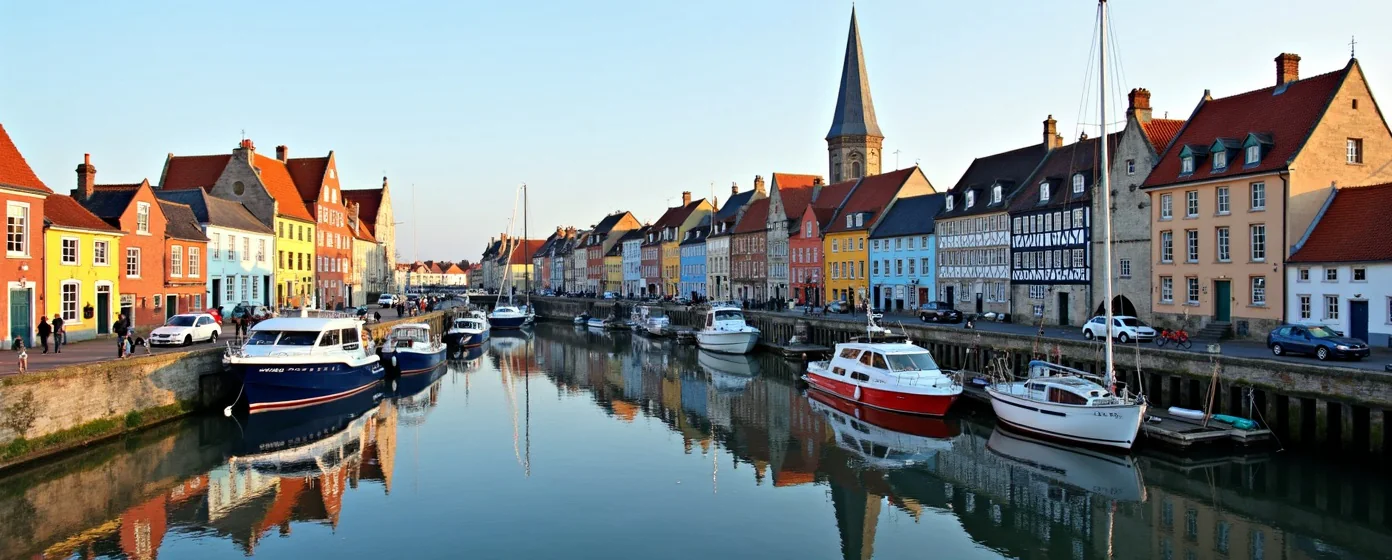
A final day that is easy, beautiful and a little sad. Honfleur is a port that seems painted in oils: the narrow Vieux Bassin with colourful houses reflected in the water and the fifteenth-century wooden church of Sainte-Catherine, built by shipwrights without a single nail. A quiet morning walk through Honfleur before the tourist coaches arrive. Then one last gastronomic lunch, a Norman feast of the journey’s best dishes. A final tasting in a calvados cellar with rare Hors d’Âge vintages. Time for shopping: calvados, cider, Camembert, Isigny caramel and Norman sablés. A farewell transfer to the airport or station. You take home not just flavours and a painting, but the whole of Normandy, in a bottle of calvados you blended yourself.
The day’s main stops 5
- The Vieux Bassin in morning light: narrow, colourful houses, yachts and reflections. Sainte-Catherine Church, a unique 15th-century wooden building created by shipwrights without a single nail. Narrow streets with galleries and boutiques.
- A Calvados cellar with rare vintages: Calvados Hors d’Âge aged 15–30 years. Compare it with the blend you created on day three and see how your palate has developed in a week. One last Pommeau as an aperitif before lunch.
- Honfleur's best restaurant: a final Normandy feast. The week's finest: oysters, Camembert, agneau de pré-salé and tarte normande. Your Calvados is opened at the table. Tears, laughter and promises to return.
- Time for shopping: Calvados, cider, Pommeau, Camembert for the journey, Isigny caramel, Norman sablés and butter with fleur de sel.
- Transfer to the airport (Paris CDG/Orly, Deauville) or station (Paris, Rouen). A farewell gift: a map of all the places visited, a list of the drinks tasted with producers’ contact details and, above all, your painting and your Calvados.