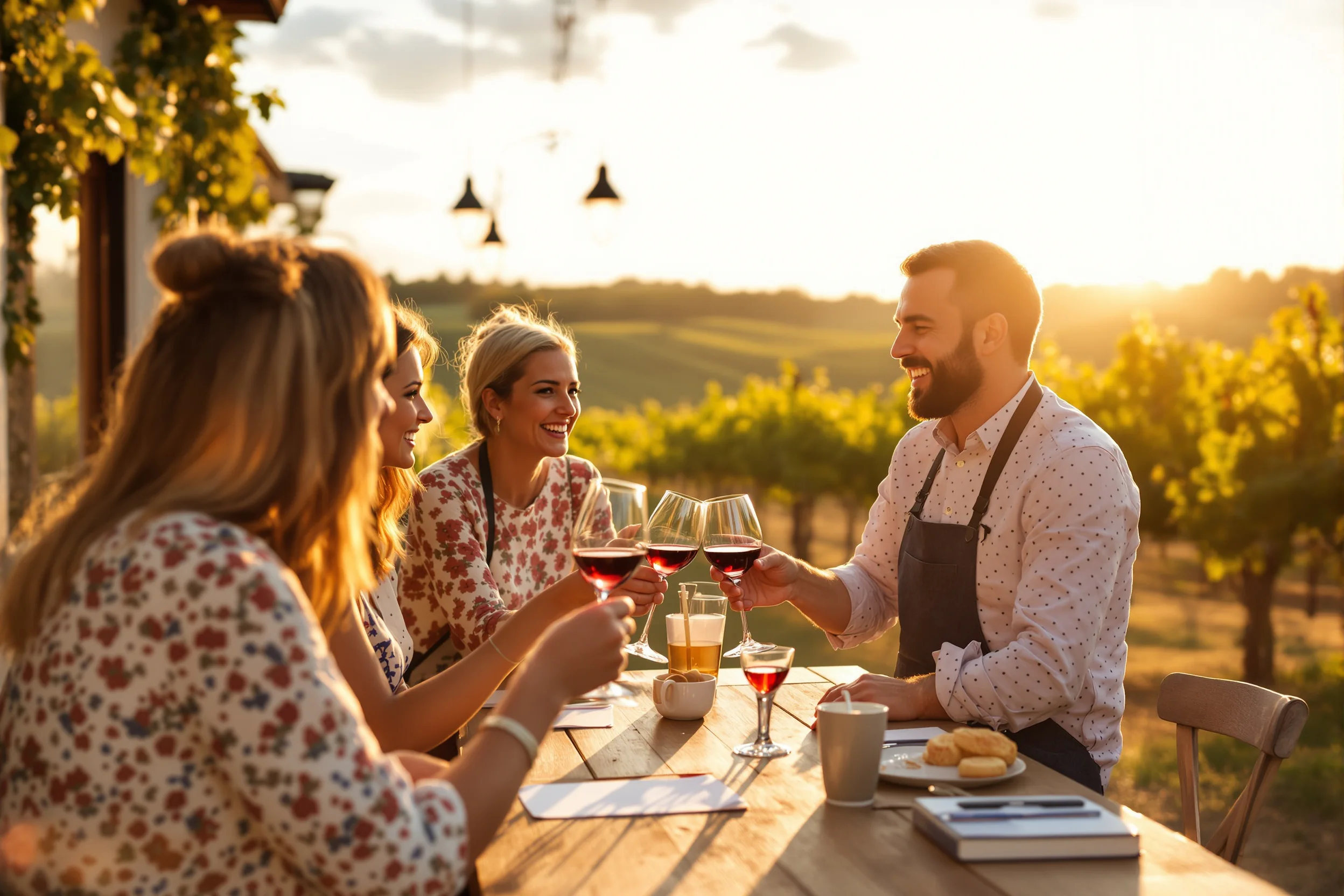
Cabernet Sauvignon
Bordeaux, FrancePowerful and tannic, with notes of blackcurrant and cedar.
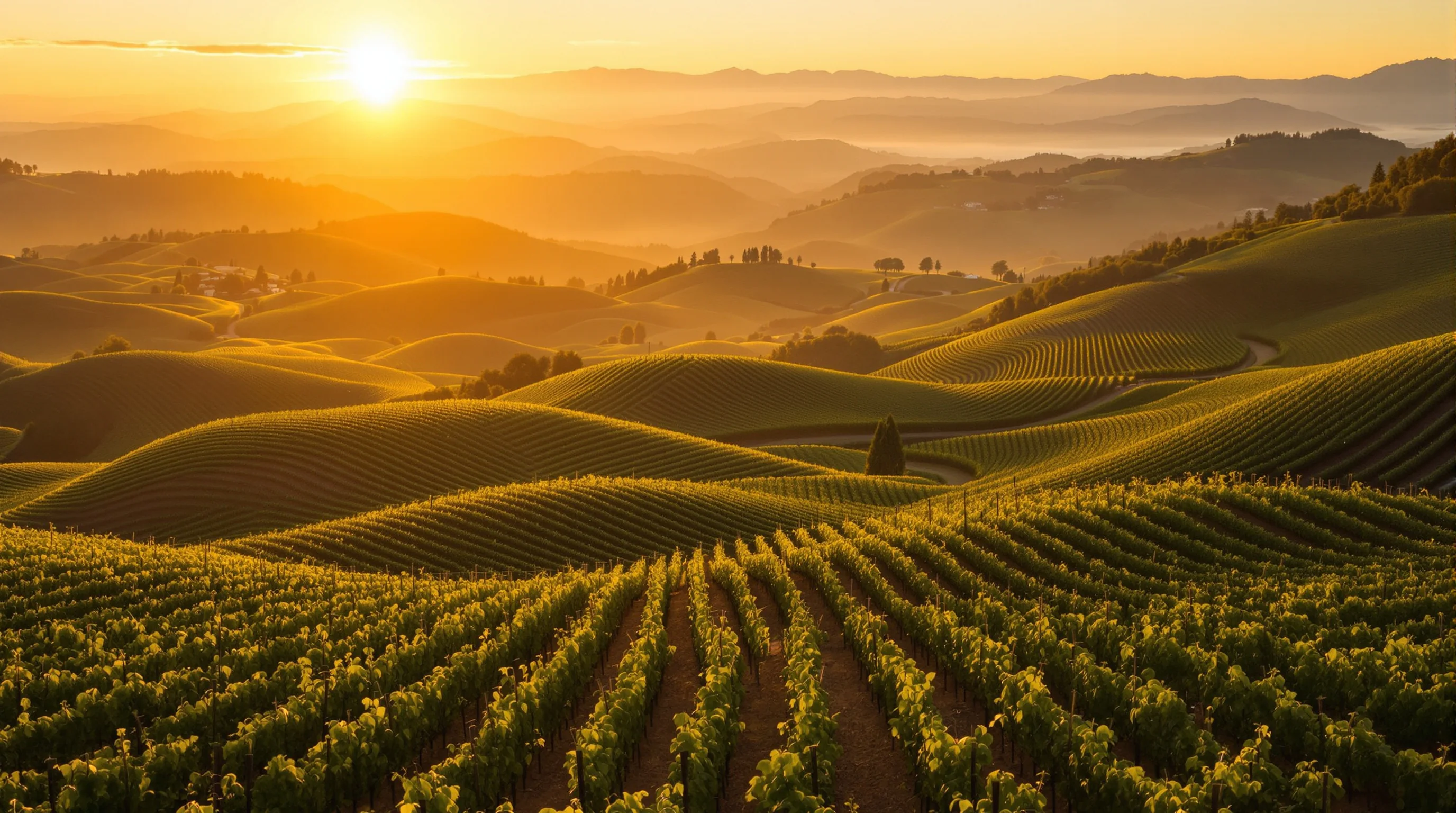
Terroir
Climate, soil and traditions: how terroir shapes the character of great wines
Tasting
Learn to analyse wine like a professional sommelier.
Colour, clarity and viscosity: what they tell you about a wine.
A wine’s primary, secondary and tertiary aromas.
Acidity, tannins, body and finish.
How to assess the harmony of all the components.
Grape varieties
Discover the main grape varieties and their character.
Powerful and tannic, with notes of blackcurrant and cedar.
Elegant, with aromas of cherry, raspberry and earth.
Soft and fruity, with notes of plum and chocolate.
Spicy, with notes of black pepper and dark berries.
Versatile, ranging from mineral to buttery.
Fresh, with citrus and green herb notes.
Aromatic, from dry to sweet, with high acidity.
Aromatic, with notes of lychee, rose and spice.
Categories
From still to sparkling: the diversity of the wine world.
Classic red, white and rosé wines without bubbles.
Find out more 02Champagne, crémant, prosecco and other wines with bubbles.
Find out more 03Port, sherry and Madeira: wines with added spirit.
Find out more 04Sauternes, ice wine and Tokaji: sweet wines for special occasions.
Find out moreThe art of winemaking
From the traditional Champagne method to carbonic maceration, each technique gives a wine its own character
Méthode Traditionnelle
The classic sparkling winemaking method, in which the second fermentation takes place in the bottle itself. This is how Champagne, Cava and crémant are made. The labour-intensive process gives the wine complexity, a creamy texture and fine bubbles.
Méthode Charmat
The second fermentation takes place in large sealed tanks rather than in the bottle. This is how prosecco and most affordable sparkling wines are made. The method preserves the grapes’ fresh fruit aromas.
Macération Carbonique
Whole grape bunches ferment in an atmosphere of carbon dioxide without being crushed first, a technique characteristic of Beaujolais Nouveau. It produces light, fruity wines with minimal tannins.
Vinification Classique
The standard process: crushing grapes, fermenting the juice with skins for reds or without them for whites, then ageing. The basis of most of the world's still wines.
Vin Orange
White wine fermented on its skins like red wine: an ancient technique revived by natural winemakers. It gives an amber colour and a tannic structure unusual in white wines.
Vin Fortifié
Adding spirit during or after fermentation stops fermentation and increases alcoholic strength: this is how Port, sherry and Madeira are made.
Ageing
The choice of ageing vessel shapes a wine’s character, from classic oak barrels to ancient clay amphorae
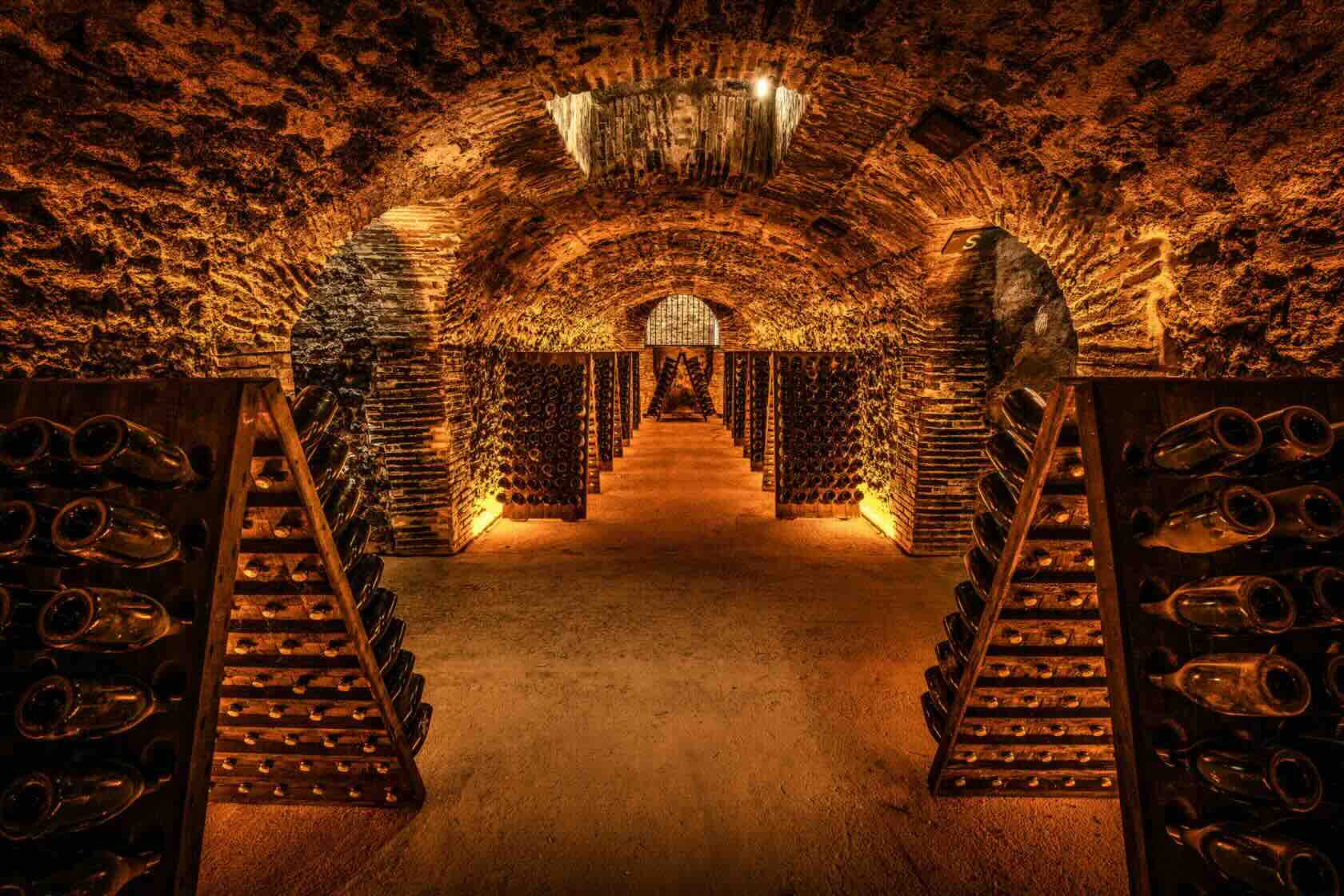
Oak Barrels / Barriques
A traditional ageing method that gives wine complexity, structure and refined aromas. French oak imparts subtle vanilla and spice notes; American oak gives more pronounced coconut and sweet spice. The size of the barrel affects the intensity of its influence.
Stainless Steel Tanks
Concrete Tanks / Eggs
Amphorae / Qvevri
| Parameter | Oak | Steel | Concrete | Amphora |
|---|---|---|---|---|
| Oxygenation | High | No | Moderate | Moderate |
| Effect on flavour | Strong | No | Minimal | Moderate |
| Ageing potential | 10–50+ years | 1–5 years | 3–15 years | 5–30+ years |
| Cost | €€€ | € | €€ | €€ |
| Expression of terroir | Medium | High | High | Very high |
Serving temperature
The right temperature reveals a wine's full potential: aroma, flavour and texture
6–8°C
7–10°C
10–13°C
8–12°C
12–14°C
14–17°C
16–18°C
12–18°C
Wine that is too cold loses aroma and flavour. Hold the glass in your hands or leave it on the table for 5–10 minutes.
Warm wine tastes alcoholic and flat. Place the bottle in a bucket of water and ice for 10–15 minutes.
Use a wine thermometer or an app. The bottle should feel cool to the touch, but not icy.
| Wine type | Temperature | Chilling time | Method |
|---|---|---|---|
| Sparkling wines | 6–8°C | 3–4 hours in the fridge | 20–30 minutes in an ice bucket |
| Light white wines | 7–10°C | 2–3 hours in the fridge | Fridge or wine cooler |
| Full-bodied white wines | 10–13°C | 1.5–2 hours in the fridge | Remove 15 minutes before serving |
| Rosé | 8–12°C | 2–2½ hours in the fridge | Fridge or wine cooler |
| Light reds | 12–14°C | 30–45 min in the fridge | Light chilling |
| Medium-bodied red wines | 14–17°C | — | A cool room |
| Full-bodied reds | 16–18°C | — | Decant for 1–2 hours |
| Fortified wines | 12–18°C | Depends on the style | Dry wines cooler, sweet wines warmer |
A journey through time
8,000 years of wine culture, from ancient amphorae to modern technology
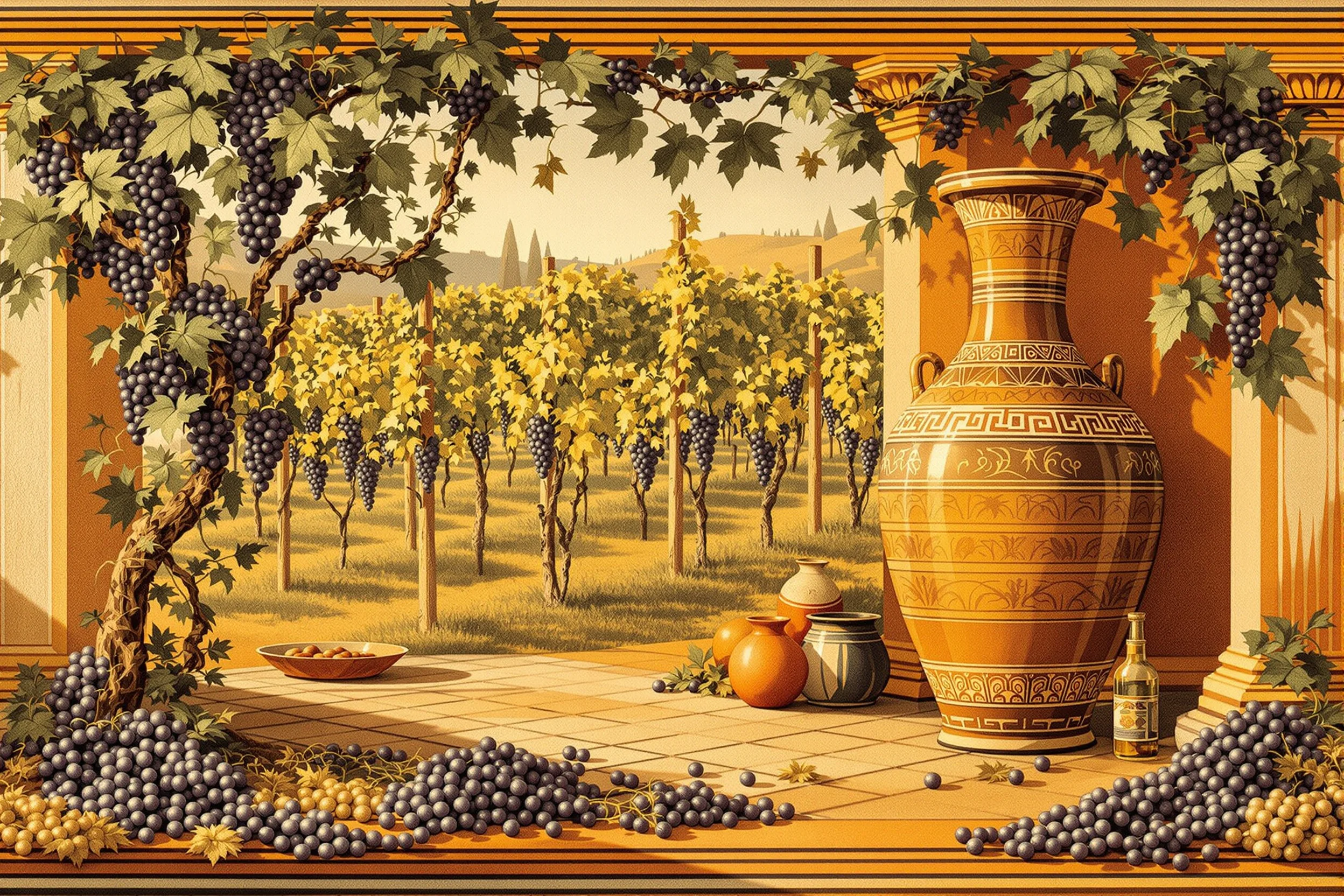
Period · 6000 BC–AD 500
The earliest evidence of winemaking in Georgia and present-day Iran
Wine becomes the drink of pharaohs and priests, and the first wine cellars appear
The spread of viticulture around the Mediterranean through trade routes
The cult of Dionysus, wine as part of philosophy and culture, and the first wine classifications
The systematisation of winemaking, the first appellations and expansion across Europe
Period · 500–1500
Benedictine monks preserve and develop winemaking traditions.
Decrees encouraging winegrowing and the planting of Burgundy’s famous vineyards.
Monks develop the concept of terroir and classify vineyard plots in the Côte d’Or.
Eleanor of Aquitaine's marriage opens the English market to Bordeaux wines.
The first documented mention of Tokaj’s sweet wines in Hungary.
Period · 1500–1900
The monk refines Champagne production techniques at Hautvillers Abbey.
The Marquis of Pombal creates the world’s first system for protecting wine origins in the Douro.
The historic classification of Médoc wines for the Paris World Exhibition.
An epidemic destroys Europe’s vineyards.
The phylloxera problem is solved by grafting onto American rootstocks.
Period · 1900–present
France introduces its controlled designation of origin system.
Californian wines beat French wines in a blind tasting.
Australia, Chile, Argentina and New Zealand reshape the world’s wine map.
Organic and biodynamic practices become widespread.
Winegrowers adapt grape varieties and practices to climate change.
Glossary
Key wine concepts, from appellation to chaptalisation
There are no published terms for this letter yet.
Geography
From the Old World to the New: the planet’s great wine regions
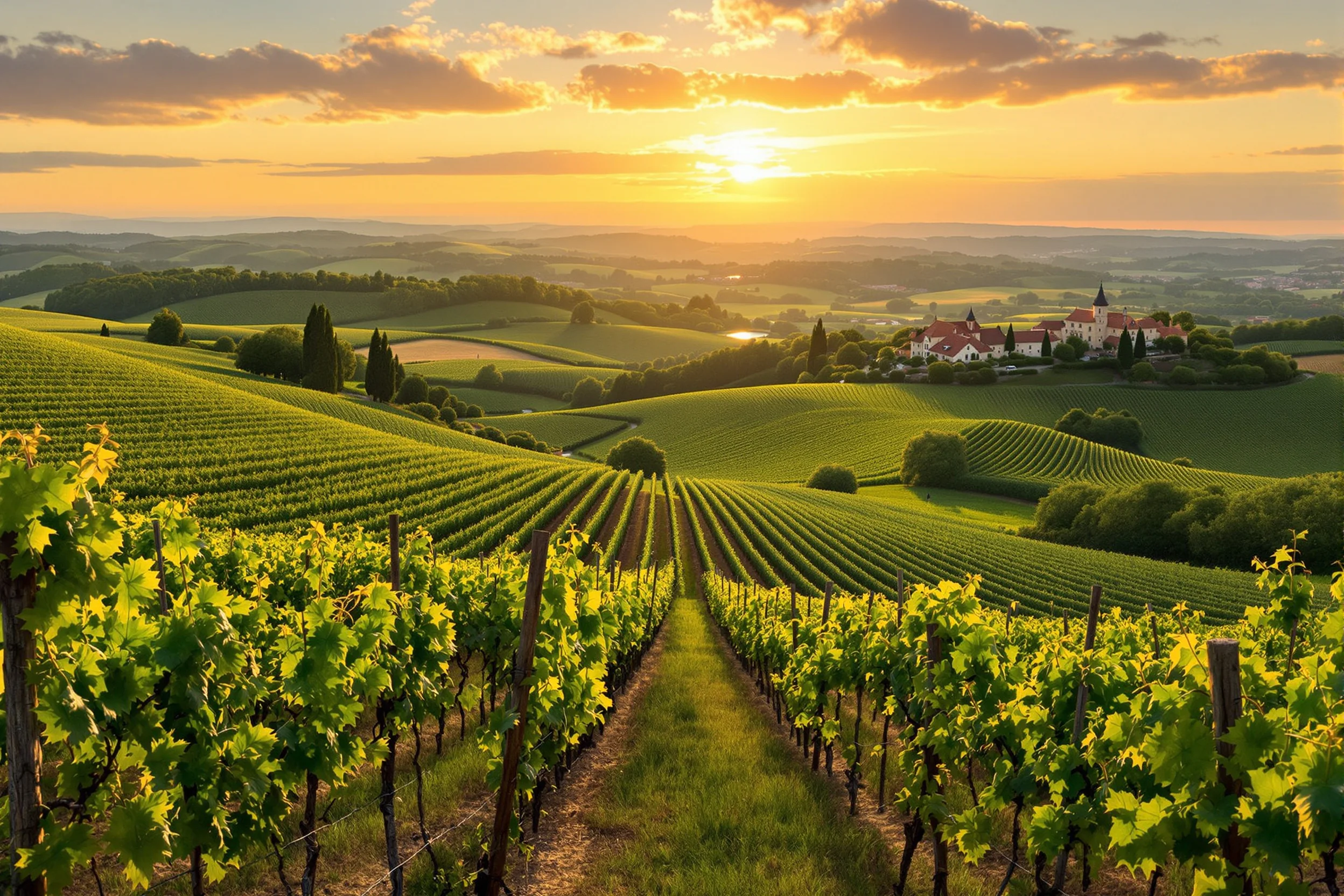
Home of great wines and a benchmark for quality
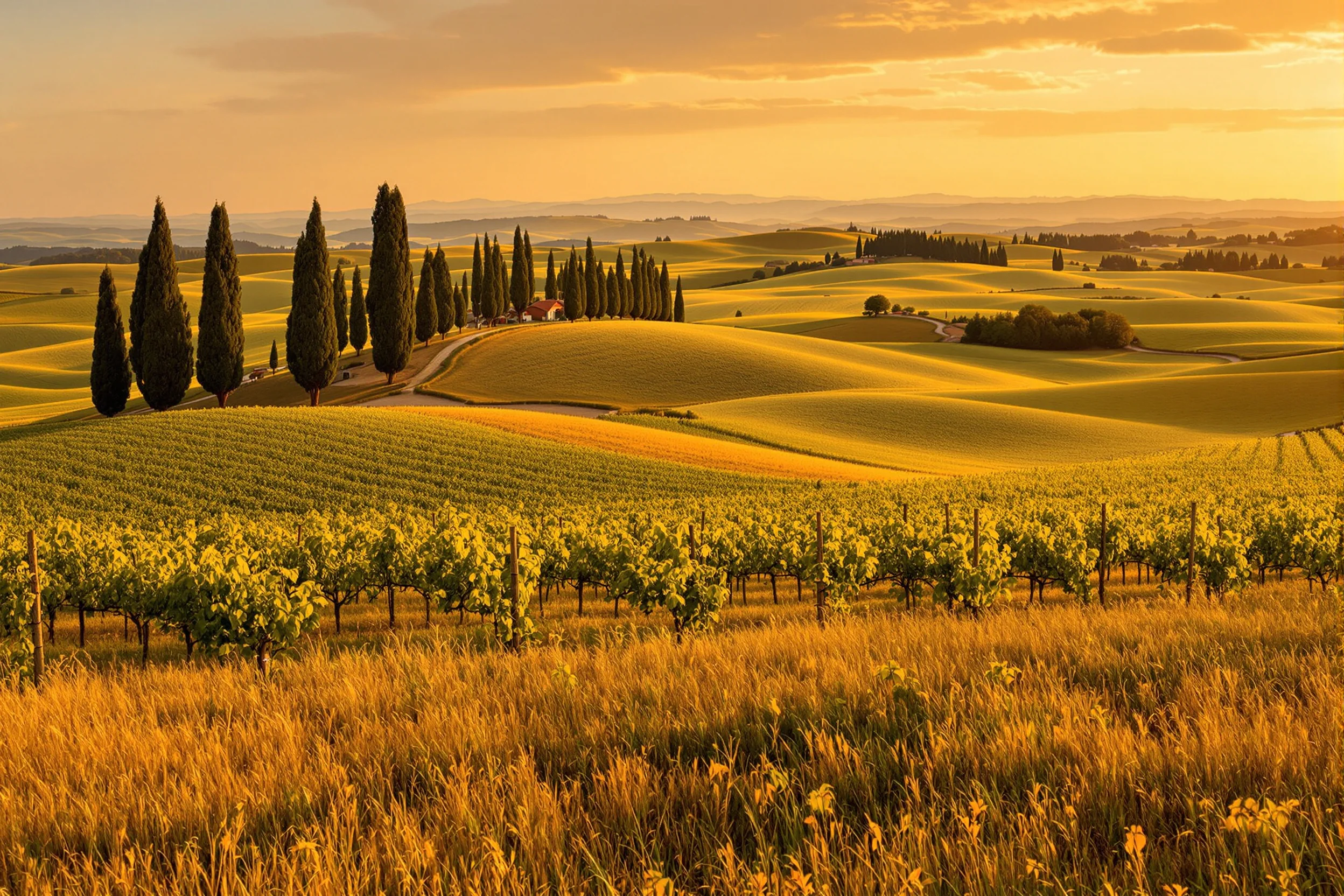
A diversity of styles and indigenous grape varieties
Materials are being prepared
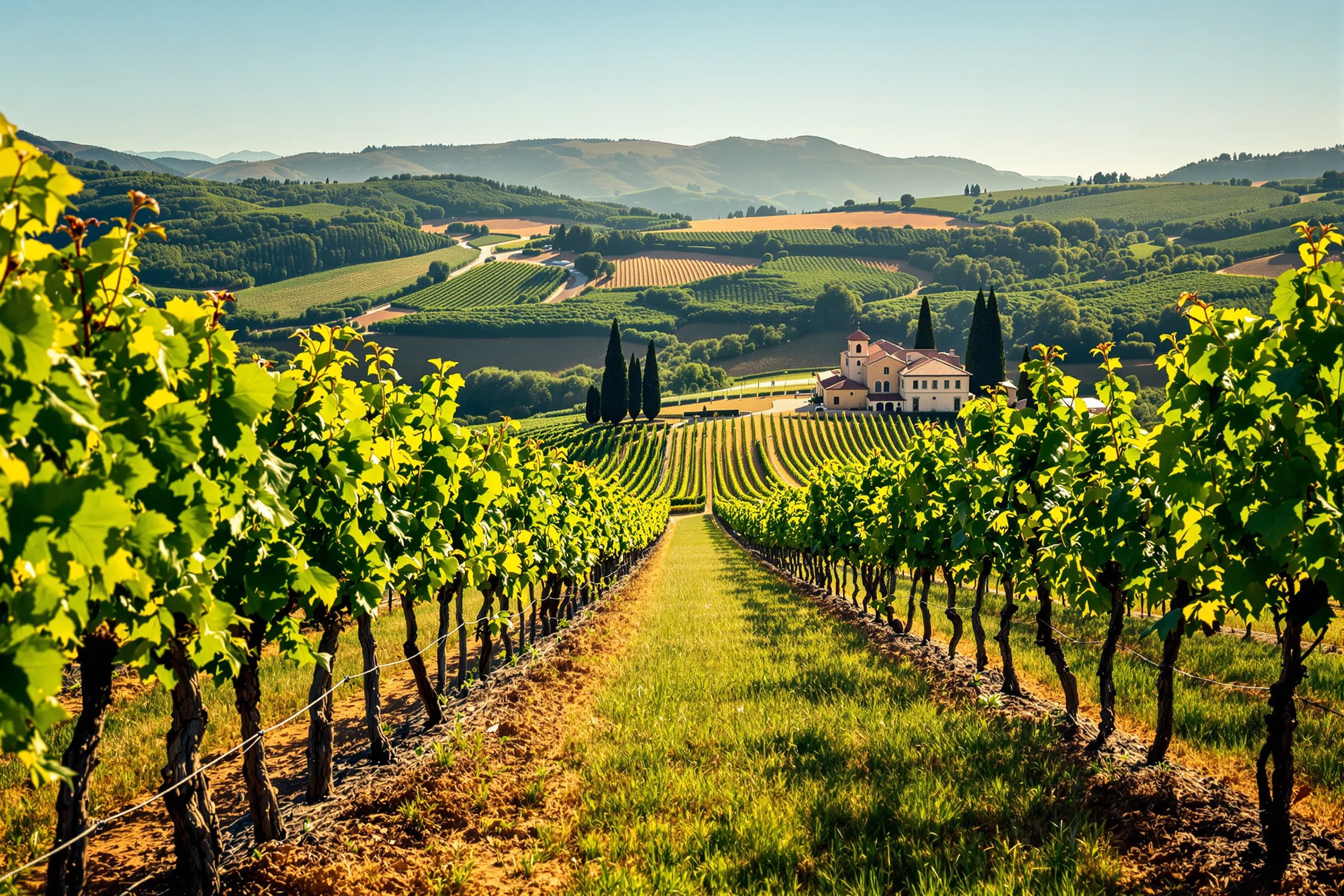
Tempranillo, Garnacha and great fortified wines
Materials are being prepared
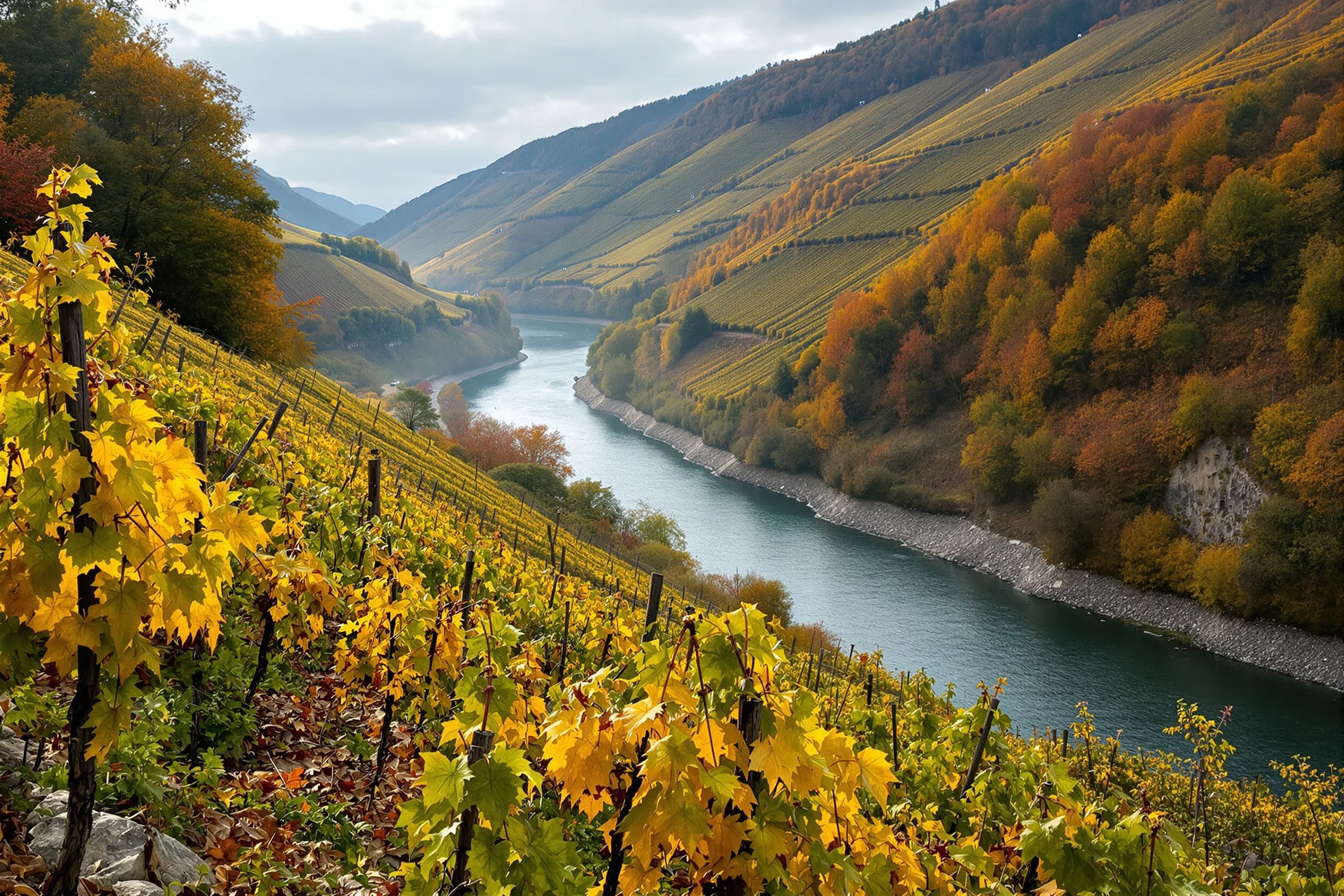
The kingdom of Riesling and a cool climate
Materials are being prepared
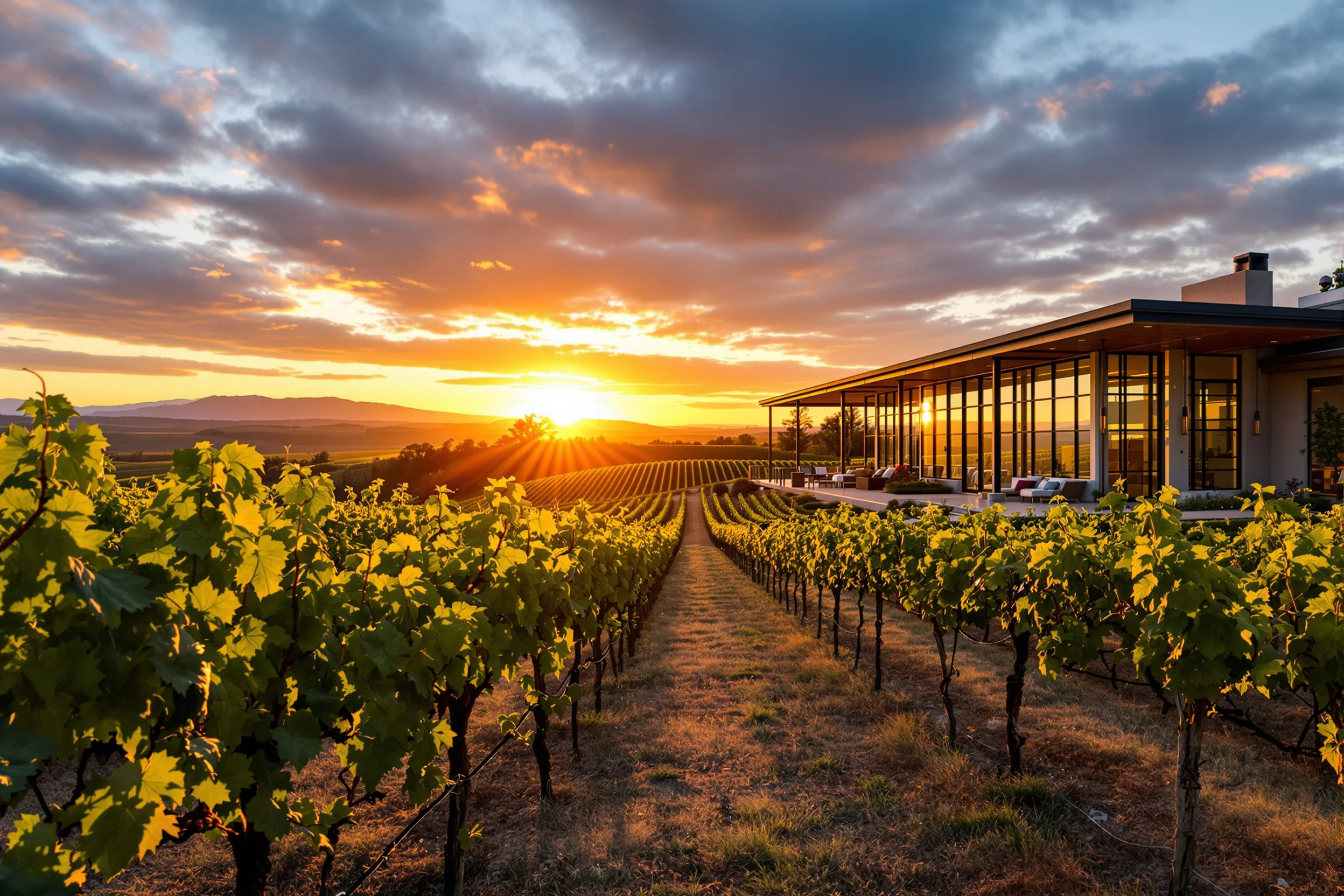
The New World with Californian character
Materials are being prepared
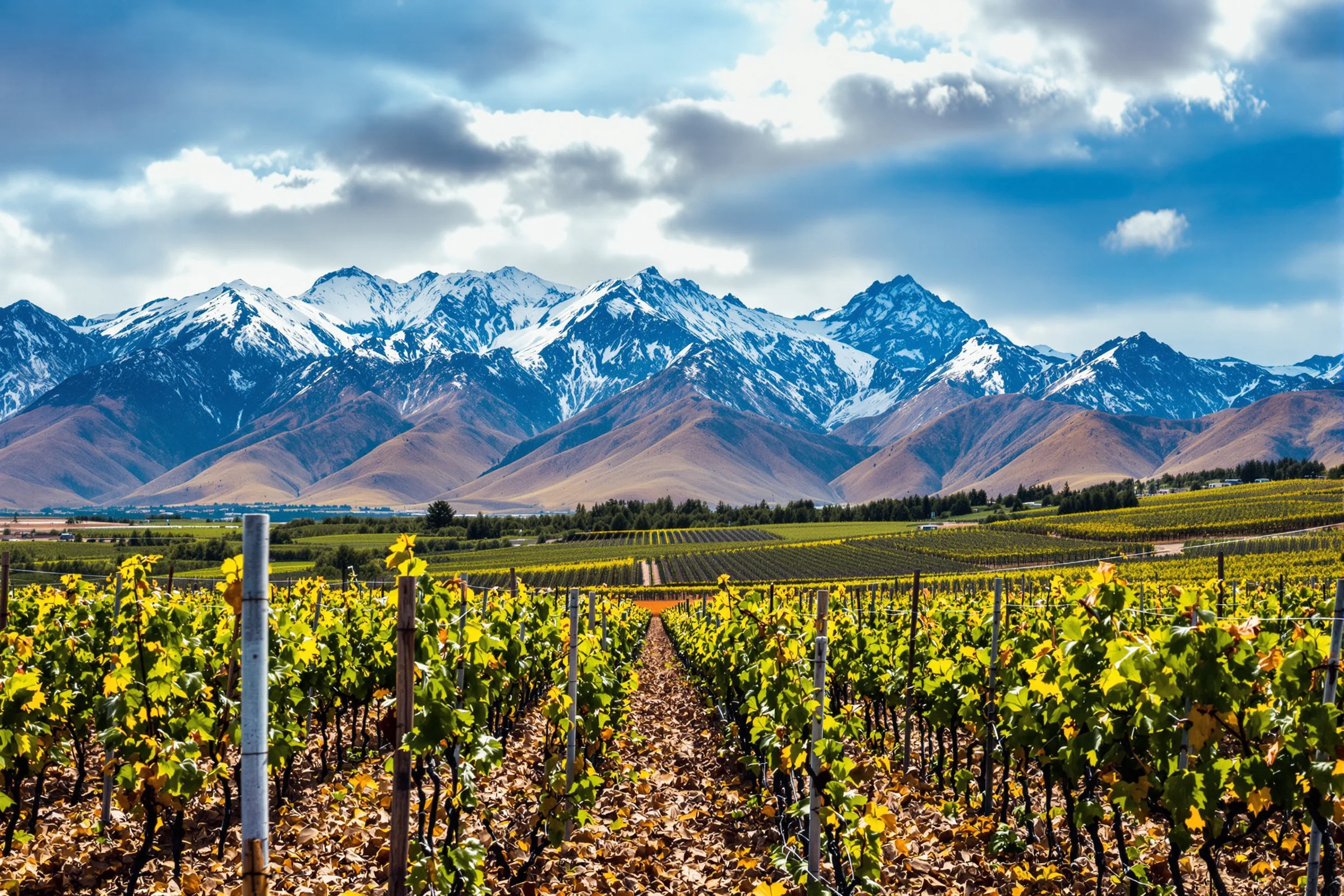
High-altitude Malbec and fresh whites
Materials are being prepared
Knowledge
Useful resources to build your wine knowledge
Understanding the information on wine labels from different countries
ReadThe rules of serving, tasting and table etiquette
ReadTemperature, humidity and the correct bottle position
ReadClassic and unexpected food pairings
ReadBiodynamic, organic and natural wines
ReadFrom vineyard to bottle: the stages of winemaking
ReadGastronomy
The basic principles of pairing wine with food
Cabernet Sauvignon, Barolo, Rioja
Pinot Noir, Beaujolais, Valpolicella
Chardonnay, Viognier, white Burgundy
Sauvignon Blanc, Riesling, Pinot Grigio
Provence rosé, Tavel, Bandol
Champagne, Crémant, Cava