
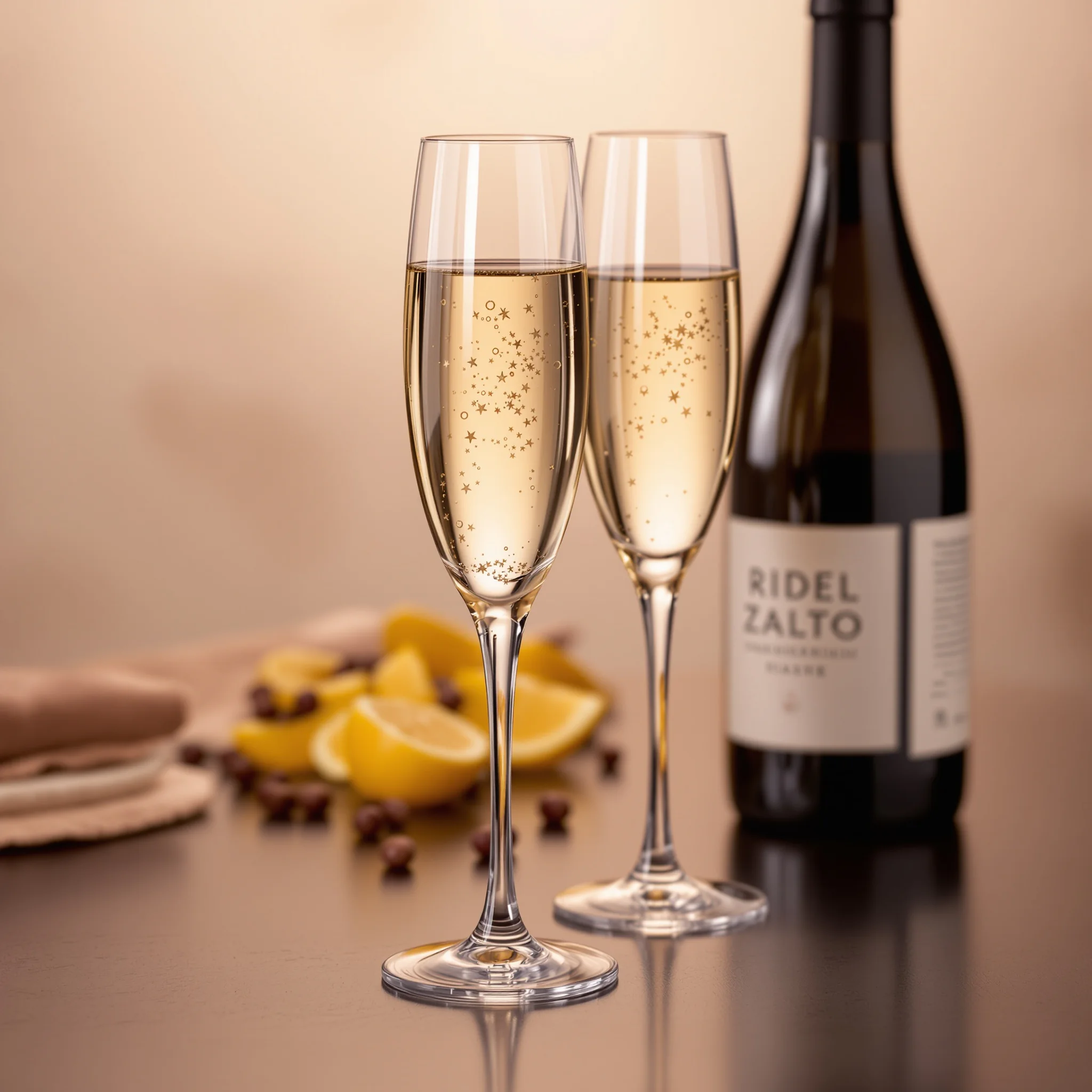

At a glance. Brut is dry sparkling wine, with less than 12 grams of sugar per litre and barely perceptible sweetness. It is the most popular style of Champagne and most sparkling wines. Extra brut, up to 6 g/l, and brut nature, under 3 g/l with no added sugar, are drier still. Extra dry, sec, demi-sec and doux are sweeter.
Where does the sugar come from?
For Champagne and other traditional-method sparkling wines, the second fermentation takes place in the bottle. The sediment is then removed and the bottle topped up with dosage liqueur, a mixture of wine and sugar. The sugar in this liqueur determines the sweetness in your glass. “Brut”, “demi-sec” and the other terms describe the sugar content after dosage.
The French word brut means “unprocessed” or “raw”: in other words, almost no added sugar.
The scale from driest to sweetest
These terms are defined by EU rules and apply to Champagne, crémant, cava and other sparkling wines.
| Label | Sugar, g/l | How it tastes |
|---|---|---|
| Brut Nature, also Pas Dosé or Dosage Zéro | Under 3; no added sugar | Completely dry and austere |
| Extra Brut | 0–6 | Very dry |
| Brut | Under 12 | Dry and balanced |
| Extra Dry | 12–17 | Dry with a little roundness |
| Sec / Dry | 17–32 | Off-dry |
| Demi-Sec | 32–50 | Medium-sweet |
| Doux | Over 50 | Sweet |
The main trap: extra dry is sweeter than brut
In everyday English, “extra dry” suggests very dry. In sparkling wine, however, extra dry is sweeter than brut: 12–17 g/l compared with under 12. “Sec”, French for dry, is equally misleading: it is actually off-dry. These historical names survive from when sparkling wine was drunk much sweeter than today.
The rule is simple: “nature” and “extra brut” indicate the driest wines, followed by brut. Anything labelled “dry” or “sec” already has noticeable sweetness.
Why doesn’t brut taste sour?
Brut has little sugar but need not seem harsh, thanks to balance: a little sugar softens the high acidity of grapes grown in cool climates. Producers adjust dosage accordingly, adding less in warm years and more in cold ones, within the category limits.
Extra brut and brut nature show the grapes “without make-up”. People enjoy their purity and minerality, but they demand more of both grapes and producer: sugar cannot hide faults.
Brut, dry and medium-sweet: choosing in a shop
Russian labels use “brut” and “extra brut” in the same way as French labels. However, the Russian categories for dry, off-dry and medium-sweet do not always match French categories exactly. So:
- find the sugar content in g/l on the back label and follow the number;
- for dry wine, choose brut or extra brut;
- for sweetness, choose demi-sec.
Which style goes with what?
- Brut: versatile, for aperitifs, fish, seafood, light bites and cheese.
- Extra brut and brut nature: oysters, raw seafood, sushi and salty snacks.
- Demi-sec: fruit, delicate desserts and foie gras.
- Doux: desserts. Wine should be sweeter than the dessert or it will taste sour.
More ideas in “What to serve with Champagne”.
Making brut: from grape to glass
To understand dryness, it helps to follow the traditional method, used in Champagne and for crémant and cava:
- Base wine. Grapes are picked early while acidity is high and made into dry still wine. It tastes sharp and acidic, as it should.
- Blending. Wines from different varieties, plots and years are blended to create the house style.
- Tirage. A little sugar and yeast are added to the wine in the bottle, which is sealed with a crown cap like beer.
- Second fermentation in the bottle. Yeast consumes this sugar, creating a little more alcohol and carbon dioxide that cannot escape. This produces the bubbles.
- Lees ageing. The wine rests with dead yeast for months or years: at least 15 months for Champagne and three years for vintage Champagne. This gives brioche and toast notes.
- Riddling and disgorgement. Bottles are gradually turned neck-down, gathering sediment at the closure. The neck is frozen and the icy plug containing the sediment expelled.
- Dosage. The bottle is topped up with expedition liqueur, wine with dissolved sugar. This determines whether the wine will be brut, extra brut or medium-sweet.
After these stages, almost no grape sugar remains: the yeast has consumed it. The sweetness in brut or demi-sec therefore comes almost entirely from dosage.
Another approach is the Charmat or tank method: the second fermentation happens in a large sealed tank rather than in the bottle. Prosecco and many inexpensive sparkling wines are made this way. The sweetness scale is the same, but the flavour is simpler and fruitier, without brioche.
Brut around the world
| Country | Label | Useful to know |
|---|---|---|
| France | Brut | Champagne and crémant are most commonly brut |
| Spain | Brut, for cava | Cava is almost always brut or brut nature |
| Italy | Brut | Prosecco is often Extra Dry, sweeter than brut |
| Germany | Brut, Extra Trocken | Trocken, meaning “dry”, is actually off-dry |
| Russia | Brut, extra brut | Same terms; check sugar on the back label |
Sugar in a glass
Converting grams per litre to a glass of around 125 ml makes the difference clear:
| Style | Sugar per glass |
|---|---|
| Brut nature | Under 0.4 g |
| Extra brut | Up to 0.75 g |
| Brut | Up to 1.5 g |
| Extra dry | 1.5–2 g |
| Demi-sec | 4–6 g, about a teaspoon |
| Doux | Over 6 g |
Brut is therefore a choice for people watching sugar: a glass contains less than an orange segment.
Why France drinks brut
Almost all Champagne in France is brut. It was not always so: in the 19th century Champagne was sweet, and the sweetest went to Russia, containing 200–300 grams of sugar per litre. The dry style was created for the English market: English drinkers had Champagne with meals and found sweetness intrusive. Madame Pommery launched one of the first brut Champagnes in 1874, and dry wines gradually won favour. In France today, demi-sec is mostly drunk with dessert.
How to serve brut
- Temperature: 6–8°C; 8–10°C for vintage and mature wines.
- Glass: a tulip or white-wine glass. A narrow flute shows bubbles beautifully but hides aroma; a broad coupe loses its gas quickly.
- Chilling: three hours in the fridge or 20–30 minutes in a bucket of ice and water.
- Pour in two stages to stop the foam overflowing.
Brut nature: a recent trend
Twenty years ago, brut nature was rare. Today, many small growers in Champagne, Jura, the Loire and Spain produce it. With no sugar, the wine reveals everything: grapes, soil and ageing. It therefore needs very ripe, high-quality grapes and long lees ageing, otherwise it becomes sour and harsh. If you like dry whites such as Chablis or Muscadet, you will enjoy brut nature. If you usually drink medium-sweet wine, start with brut, then move to extra brut.
Champagne, crémant, cava or prosecco?
All sparkling wines can be brut, but styles and prices differ:
| Sparkling wine | Method | Brut flavour | Price in France |
|---|---|---|---|
| Champagne | Traditional, at least 15 months on lees | Fine bubbles, brioche, citrus and minerality | From €20–25 |
| Crémant, Alsace, Burgundy, Loire | Traditional, at least nine months | Similar to Champagne, simpler and fruitier | €8–15 |
| Cava | Traditional | Fresh, herbal and citrusy | €6–12 |
| Prosecco | Charmat, in tank | Pear, apple, flowers and large bubbles | €8–12 |
For a celebration at a reasonable price, crémant is the best choice: the same method as Champagne for half the price. See “What is crémant?”.
Comparing styles at home
A tasting is the best way to understand the scale. Buy three bottles from the same producer or of the same type: brut nature, brut and demi-sec. Chill to 7°C, pour a little into identical glasses and taste from dry to sweet. You will immediately feel how sugar softens acidity and changes aroma. Choosing sparkling wine in a shop then becomes easy.
Storing brut
Store unopened bottles lying down or upright in a cool, dark place at 10–14°C. Drink non-vintage brut within two to three years of purchase: it is made ready to drink. Vintage brut can keep for ten years or more. Seal an opened bottle with a proper sparkling-wine stopper and refrigerate; the bubbles will last one to two days.
Other useful label terms
Beyond sweetness, look for:
- Champagne, Crémant d’Alsace, Cava: the appellation, showing where and under which rules the wine was made.
- Méthode traditionnelle: traditional method, with second fermentation in the bottle.
- Blanc de Blancs: entirely white grapes, usually Chardonnay; delicate and fresh.
- Blanc de Noirs: white sparkling wine from black grapes; fuller and fruitier.
- Millésime and a year: a single harvest, usually more complex and expensive.
- Disgorgement date: when the sediment was removed. A recent date means more fruit; longer bottle rest after disgorgement brings more nuts and honey.
- Dosage and a number: some growers state the exact sugar content, such as “Dosage: 4 g/l”.
How much brut for a celebration?
For a party with dinner, allow half a bottle per person: a glass as an aperitif, one with starters and one for a toast. If sparkling wine is the evening’s only drink, allow one bottle for two. Add a bottle of demi-sec for six to eight guests with dessert: people drink little sweet sparkling wine. Remember water: bubbles and alcohol quickly make you thirsty, and a glass of water between glasses makes the evening easier.
Common mistakes
- Buying extra dry believing it is drier than brut.
- Trusting “dry” on a Russian label. Check grams of sugar.
- Serving brut with sweet cake. The wine will taste sour.
- Drinking from a coupe. Bubbles disappear in minutes.
- Over-freezing a bottle. Flavour fades and the bottle may burst.
Frequently asked questions
Is brut dry or sweet?
Dry. It has less than 12 grams of sugar per litre, with barely perceptible sweetness.
Which is drier, brut or extra dry?
Brut. Despite its name, extra dry is sweeter, with 12–17 g/l of sugar.
How does brut differ from extra brut?
Extra brut is drier: 0–6 g/l compared with under 12 for brut. It is more austere and mineral.
What is brut nature?
Sparkling wine with no sugar added after disgorgement. It contains under 3 g/l, the natural grape residue. It is also called Pas Dosé or Dosage Zéro.
Does brut mean Champagne?
Not necessarily. Brut is a sweetness level, not an origin. Champagne, crémant, cava, prosecco and sparkling wines from other countries can all be brut.
What does brut mean?
In French, “raw” or “unprocessed”: wine with almost no added sugar.
How much sugar is in brut?
Under 12 grams per litre, up to 1.5 grams per glass.
At what temperature should brut be served?
At 6–8°C, or 8–10°C for mature Champagne.
Understand sparkling wines at the source
Learn to read sparkling-wine labels, distinguish Champagne from crémant and tell brut from extra dry while visiting the vineyards. → Explore Champagne tours
Taste brut, extra brut and brut nature from the same house in succession on a Champagne tour. → Champagne wine tour