
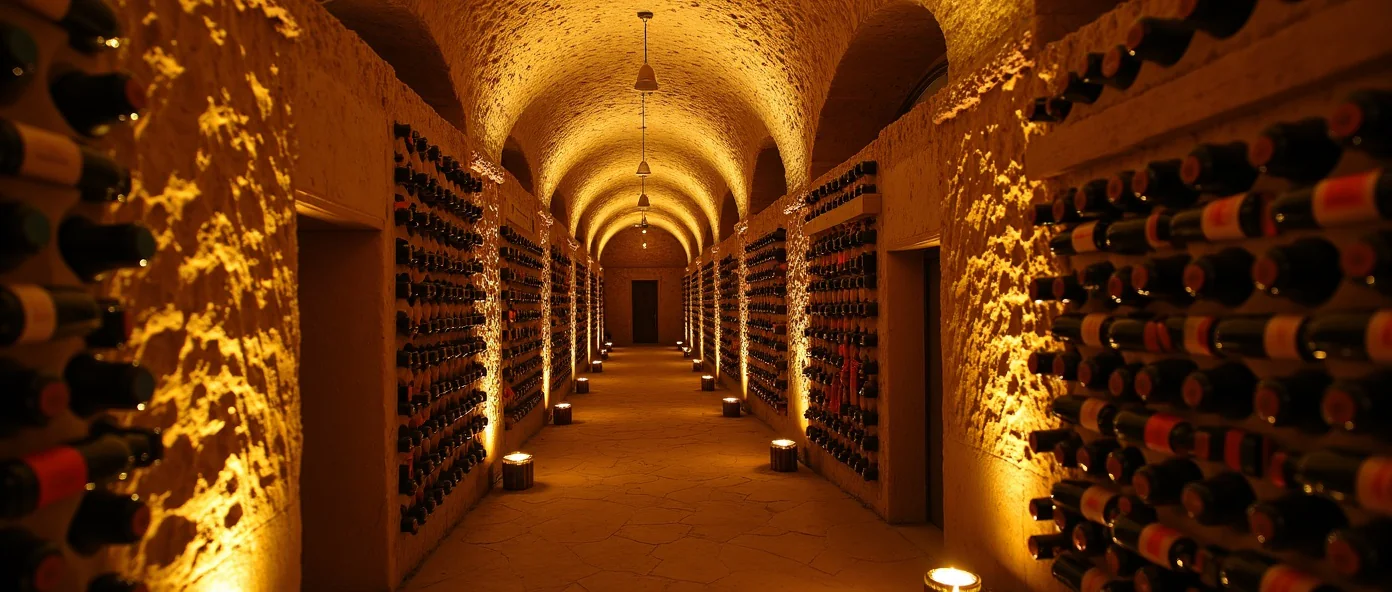

At a glance. “Good” Champagne suits your occasion and taste. Check four things on the label. Sweetness: brut is dry, demi-sec medium-sweet. Style: blanc de blancs is all Chardonnay, fresh and light; blanc de noirs uses black grapes and is fuller; rosé is pink. Age: non-vintage, NV, represents the house style; millésime indicates a special harvest year. Producer: NM is a large house, RM a grower who cultivates their own grapes. And remember: Champagne must say Champagne on the label.
Step 1. Make sure it is Champagne
The label must say Champagne. “Soviet Champagne”, “Russian Champagne” and generic sparkling wine are different wines made outside Champagne. They may taste good, but they are not Champagne.
For the same method at a lower price, consider crémant, made in France by the traditional method.
Step 2. Choose sweetness
| You want | Choose | Sugar, g/l |
|---|---|---|
| Completely dry and austere | Brut Nature, Extra Brut | Under 3 / up to 6 |
| Classic dry | Brut | Under 12 |
| A little sweetness | Extra Dry, Sec | 12–17 / 17–32 |
| Medium-sweet, for dessert | Demi-Sec | 32–50 |
| Sweet | Doux | Over 50 |
Brut is the most versatile festive-table choice. See “Is brut dry or sweet?”.
Step 3. Choose the style
- No special mention: the classic blend of Chardonnay, Pinot Noir and Meunier, the most common option.
- Blanc de Blancs: “white from whites”, entirely Chardonnay. Fresh, delicate and citrusy, good as an aperitif and with seafood.
- Blanc de Noirs: “white from blacks”, Pinot Noir and/or Meunier. Fuller, with red-berry notes, good with food.
- Rosé: pink, made by adding a little red wine to white or by briefly macerating on skins. Berry-fruited, for festive dinners and berry desserts.
Step 4. Vintage or non-vintage?
- Non-vintage, NV: a blend of several years, reproducing the recognisable house style annually. At least 15 months’ ageing.
- Millésime, Vintage: grapes from one successful year, aged at least three years. Usually more complex and expensive.
- Cuvée de prestige: the house’s finest bottle, often vintage.
Step 5. Check the producer
A small two-letter code appears near the bottom of the label:
| Code | Meaning |
|---|---|
| NM, négociant-manipulant | A Champagne house buying grapes from growers and making wine under its own brand; most famous brands work this way |
| RM, récoltant-manipulant | A grower cultivating grapes and making the wine themselves, known as grower Champagne |
| CM, coopérative de manipulation | A growers’ cooperative |
| RC, récoltant-coopérateur | A grower whose wine is made by a cooperative but sold under their name |
| MA, marque d’acheteur | A buyer’s brand, for example a shop or restaurant; another producer makes the wine |
Large houses offer consistency: a recognisable brand tastes predictable year after year. RM estates express a particular village and plot. Harder to find, they often provide the surprises.
Step 6. Notice the details
- Disgorgement date: when sediment was removed, sometimes printed on the back. For freshness, drink non-vintage Champagne within the first year or two afterwards.
- Grand Cru, Premier Cru: grapes from Champagne’s best villages.
- Shop storage: avoid bottles in sunny windows or beside radiators.
Champagne for New Year’s Eve
- For the group, with snacks: non-vintage brut from a known house or cooperative.
- With seafood and oysters: blanc de blancs or extra brut.
- With poultry or duck: blanc de noirs or rosé.
- With dessert: demi-sec. Brut will taste sour alongside cake.
- As a gift: vintage Champagne or an RM bottle with a story to tell.
Chill to 8–10°C and open without a bang: step by step. For the table, see Champagne food pairings.
What good Champagne costs
| Tier | Type | Price in France |
|---|---|---|
| Supermarket own-label | Retailer’s Champagne, MA code | €15–20 |
| Large-house non-vintage brut | A celebration classic | €30–50 |
| RM estate | Grower Champagne with village character | €25–50 |
| Blanc de blancs, rosé, grand cru | A more individual style | €40–80 |
| Vintage | One successful year | €60–120 |
| Prestige cuvée | The house’s finest | From €150 |
Outside France, prices are one-and-a-half to twice as high. Good Champagne below €25–30 is uncommon in France, though RM growers offer excellent bottles at that price.
Where the grapes grow
| Area | Main grape | Contribution |
|---|---|---|
| Montagne de Reims, hills south of Reims | Pinot Noir | Body, structure and red berries |
| Côte des Blancs, slopes south of Épernay | Chardonnay | Freshness, citrus and minerality; home of top blanc de blancs |
| Vallée de la Marne, the Marne valley | Pinot Meunier | Fruit, softness and roundness |
| Côte des Bar, south near Burgundy | Pinot Noir | Juicy, fruity style; many young winemakers |
A village on the label suggests the style: Avize, Cramant and Le Mesnil-sur-Oger for Chardonnay; Aÿ, Ambonnay and Bouzy for Pinot Noir.
Large-house styles
Each house repeats its recognisable style year after year:
- Light and fresh: a high Chardonnay share, delicate and citrusy, good as an aperitif.
- Round and fruity: plenty of Meunier, soft and approachable, pleasing most guests.
- Powerful and mature: plenty of Pinot Noir and barrel ageing, nuts and brioche, suited to food.
The oldest house is Ruinart, founded in 1729. Many famous houses were established in the 18th and 19th centuries in Reims and Épernay, where their cellars can be visited. See “Reims and Épernay”.
Alternatives to Champagne
On a limited budget, choose good sparkling wine made by the same method rather than cheap Champagne:
- Crémant from Alsace, Burgundy or the Loire, traditional method, €8–15;
- Franciacorta from Lombardy, Italy’s answer to Champagne;
- Spanish cava, fresh and inexpensive;
- English sparkling wine, with chalk soils like Champagne and increasingly many awards.
See “What is crémant?”.
Champagne and “Champagne” in Russia
Since a 2021 Russian law, the Russian word for Champagne is used for sparkling wines made in Russia, while French Champagne is described as “sparkling wine” on its Russian back label. The front label still says Champagne in Latin letters. Follow the French label: real Champagne comes only from Champagne in France.
Choosing Champagne as a gift
Champagne is the most common wine gift, and choosing is simpler than it seems:
- For a knowledgeable drinker: grower Champagne, RM, or grand cru blanc de blancs, showing a considered choice rather than the first bottle on the shelf.
- For a large celebration: a 1.5-litre magnum of known-house brut, impressive and shareable.
- For a couple: rosé, attractive, romantic and good with dinner.
- For an anniversary or new baby: vintage Champagne that can keep 10–15 years.
- For someone who likes sweetness: demi-sec, explaining that it is best with dessert.
Add a note describing the wine, its origin and pairings. For someone unfamiliar with Champagne, that is worth more than an expensive box.
Checking the bottle in a shop
- Wine level: near the neck, without a large air gap.
- Cork and foil: intact, with no leakage.
- Label: clean, without sun-faded patches.
- Position: somewhere cool, away from sunny windows or checkout lamps.
- No vintage year: ask when the batch arrived. A fresh non-vintage bottle tastes better than one that has spent three years in the shop.
Champagne for different occasions
| Occasion | Choice |
|---|---|
| Aperitif and light bites | Non-vintage brut, blanc de blancs |
| Oysters and seafood | Extra brut, blanc de blancs |
| Poultry dinner | Blanc de noirs, rosé |
| Cheese | Mature brut or vintage |
| Cake and fruit | Demi-sec |
| Wedding or big celebration | Non-vintage brut in magnums |
Magnums and larger formats
Champagne is not limited to standard 750 ml bottles. The larger the bottle, the more slowly wine matures and the fresher it remains, which is why connoisseurs love magnums.
| Bottle | Volume | Standard bottles |
|---|---|---|
| Piccolo, quarter | 0.2 l | ¼ |
| Half | 0.375 l | ½ |
| Standard | 0.75 l | 1 |
| Magnum | 1.5 l | 2 |
| Jeroboam | 3 l | 4 |
| Methuselah | 6 l | 8 |
| Nebuchadnezzar | 15 l | 20 |
A magnum is ideal for a celebration of eight to twelve people: impressive and better tasting than two ordinary bottles. Small bottles are convenient gifts but age faster, so drink them promptly.
A quick checklist
Before paying, check five things: Champagne on the label; Brut or Extra Brut for a dry wine; an NM or RM code; storage away from sunlight; and a French price of at least €25 for non-vintage. If all five match, the bottle is very unlikely to disappoint.
Common mistakes
- Buying the cheapest Champagne. Crémant is better at the same price.
- Buying extra dry thinking it is dry. It is sweeter than brut.
- Ignoring NM/RM codes.
- Storing in sunlight or beside a radiator.
- Giving vintage Champagne without explaining that it can age.
Frequently asked questions
Which is better, brut or medium-sweet?
It depends on the occasion. Brut is versatile with snacks and main courses; demi-sec suits desserts and fruit.
What do NM and RM mean?
NM is a house buying grapes and making wine under its brand. RM is a grower cultivating grapes and making the wine themselves.
How does blanc de blancs differ from ordinary Champagne?
It uses Chardonnay only and is fresher and lighter than the classic Chardonnay, Pinot Noir and Meunier blend.
Is vintage Champagne better?
It is not always “better”, but it is different: it is made from grapes from one successful year and aged for at least three years. It is more complex and usually more expensive.
How do I recognise real Champagne?
Look for Champagne and the appellation on the label. “Russian” and “Soviet Champagne” are sparkling wines made outside Champagne.
Which Champagne for New Year’s Eve?
Non-vintage brut for the group, blanc de blancs with seafood and demi-sec with dessert.
How much does good Champagne cost?
In France, €30–50 for brut from a known house or grower; vintage starts at €60.
Why does French Champagne say “sparkling wine” in Russia?
The Russian law of 2021 reserves the Russian word for Champagne for wines produced in Russia. French bottles retain Champagne on the front label.
Learn to choose sparkling wine
Learn to read a label and discover houses, growers, styles and ageing on a vineyard visit. → Explore Champagne tours
Taste a large house’s Champagne and an RM grower’s in one day. → Champagne wine tour