TL;DR
Key facts about Bordeaux
- 01Bordeaux — the world's wine capital with 60+ appellations
- 02Its 18th-century architecture is UNESCO-listed
- 03Cité du Vin — the world’s largest wine museum
- 04More than 350 historic monuments
- 05An ideal base for wine tours around the region
- 06Food: canelés, oysters and entrecôte à la bordelaise
Bordeaux changed my understanding of how perfectly history, culture and wine tradition can come together. When I first arrived more than 15 years ago, I expected simply a wine capital. But Bordeaux proved to be much more.
This is a city where every street tells a story, where 18th-century architecture creates an atmosphere of elegance and refinement, and where wine culture is more than a tradition — it is a way of life. Here you will find more than 350 historic monuments, dozens of wine bars, Michelin-starred restaurants and, of course, legendary wine châteaux nearby.
Over my years as a wine guide, I have led hundreds of Bordeaux tours, discovering something new every time. In this guide, I share everything you need to know about Bordeaux: from wine appellations to architectural gems, and from food traditions to practical tips for planning your visit.
Why Bordeaux
5 reasons to visit Bordeaux
Why Bordeaux belongs on your must-visit list
- 1
The world’s wine capital
Over 60 appellations, 7,000+ wine châteaux and legendary wines from Médoc, Pomerol and Saint-Émilion
- 2
Architectural heritage
A UNESCO-listed historic centre with more than 350 monuments of 18th-century architecture
- 3
A food lover's paradise
Michelin-starred restaurants, traditional bistros, Arcachon oysters, canelés and entrecôte
- 4
Cultural life
Cité du Vin, fine arts museums, the opera house and contemporary art at CAPC
- 5
An ideal location
A base for regional wine tours, close to the ocean and within easy reach of other regions
UNESCO
Bordeaux's architectural gems
Bordeaux's historic centre was listed as a UNESCO World Heritage Site in 2007
A symbol of Bordeaux
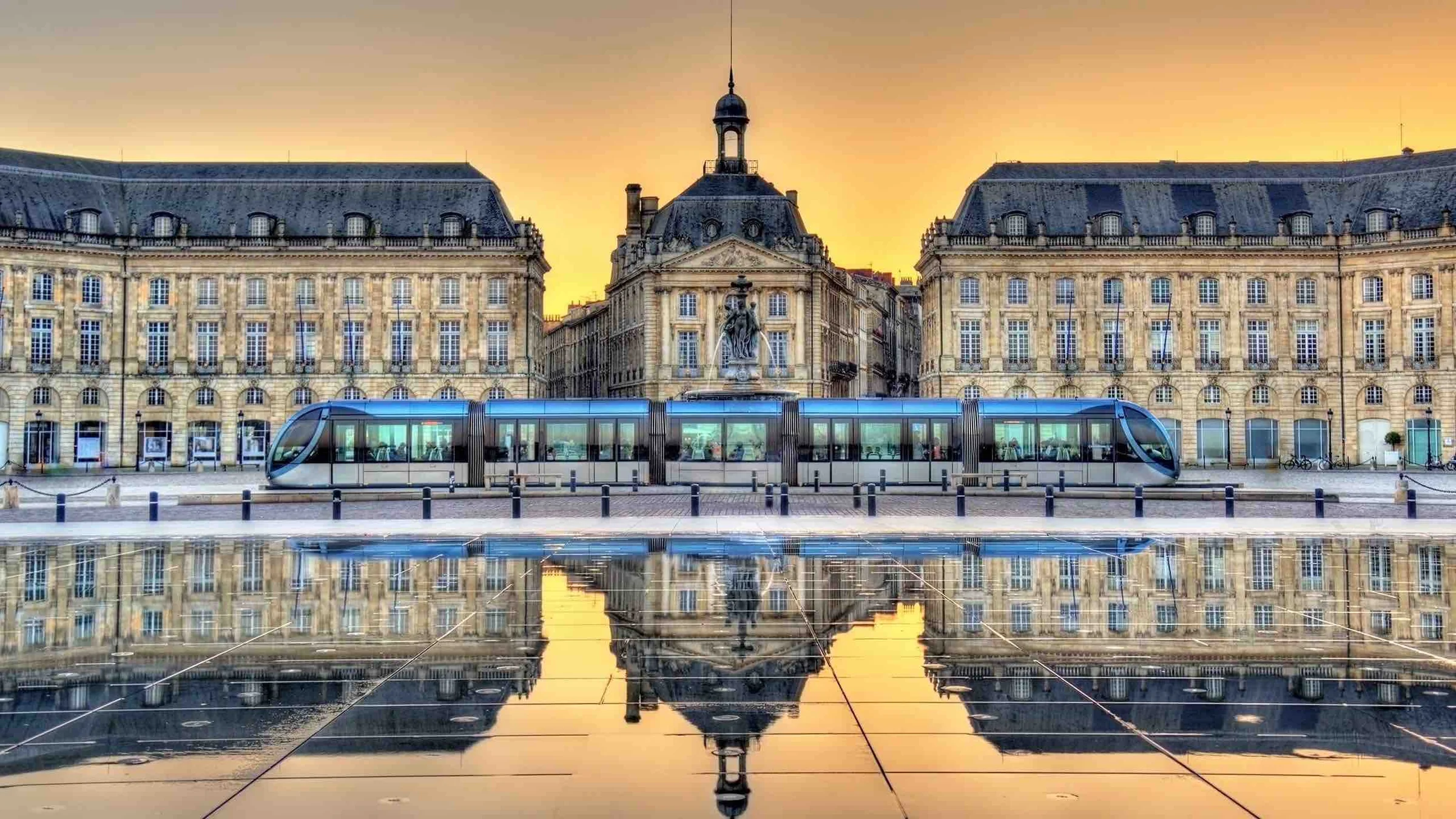
Place de la Bourse
Place de la Bourse and its reflecting pool are the city’s most photographed sight. Built in 1730–1755, it is a perfect example of French classical architecture.
- Best time for photographs: sunset and the blue hour
- The water mirror operates from April to October
- Beautifully illuminated in the evening
- Nearby wine bars overlook the square
Opera house
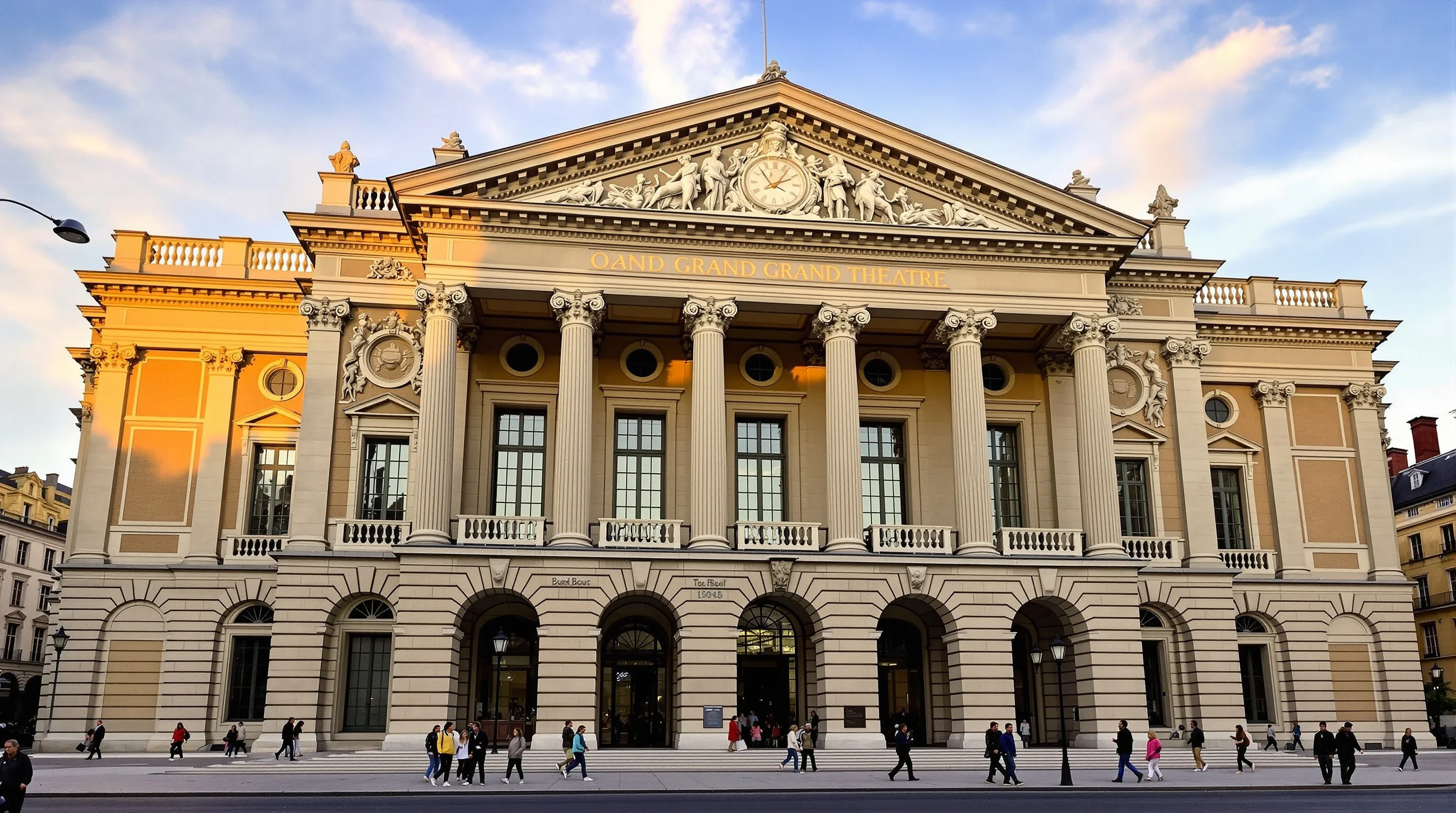
Grand Théâtre
Built in 1780, it is one of Europe's most beautiful theatres. Twelve Corinthian columns and a lavish interior with chandeliers and frescoes.
- Tours are available during the day
- Opera tickets from €15
- Dress code: smart casual
- Book popular productions ahead
Medieval Gate
Porte Cailhau
A 15th-century triumphal arch built to celebrate Charles VIII’s victory. Viewing platform with panoramic city views.
- Admission €5, including the tower climb
- Open Tuesday–Sunday, 2–6 pm
- A narrow spiral staircase — 62 steps
- A fine view of the Pont de Pierre
Cathedral
Cathédrale Saint-André
A Gothic cathedral dating from the 11th–16th centuries, the site of Eleanor of Aquitaine's coronation. The freestanding Pey-Berland bell tower is 66 metres high.
- Free entry to the cathedral
- Bell tower climb €6
- The best panoramic view of the city
- Open daily 10:00–18:00
Shopping street
Rue Sainte-Catherine
Europe’s longest pedestrian shopping street — 1.2 km. Elegant 18th- and 19th-century façades, boutiques and cafés.
- More than 230 shops
- Open until 8 pm; until 9 pm on Saturdays
- Many pavement cafés and restaurants
- Look closely at the façades' architecture
Quai Garonne
Quais de Bordeaux
A restored 4.5-kilometre riverfront. An ideal place for walks, runs and picnics overlooking the river.
- Cycle lanes and pedestrian areas
- Plenty of bars and restaurants
- Sunday antiques market
- Garonne cruises from €15
Appellations
Wine regions around Bordeaux
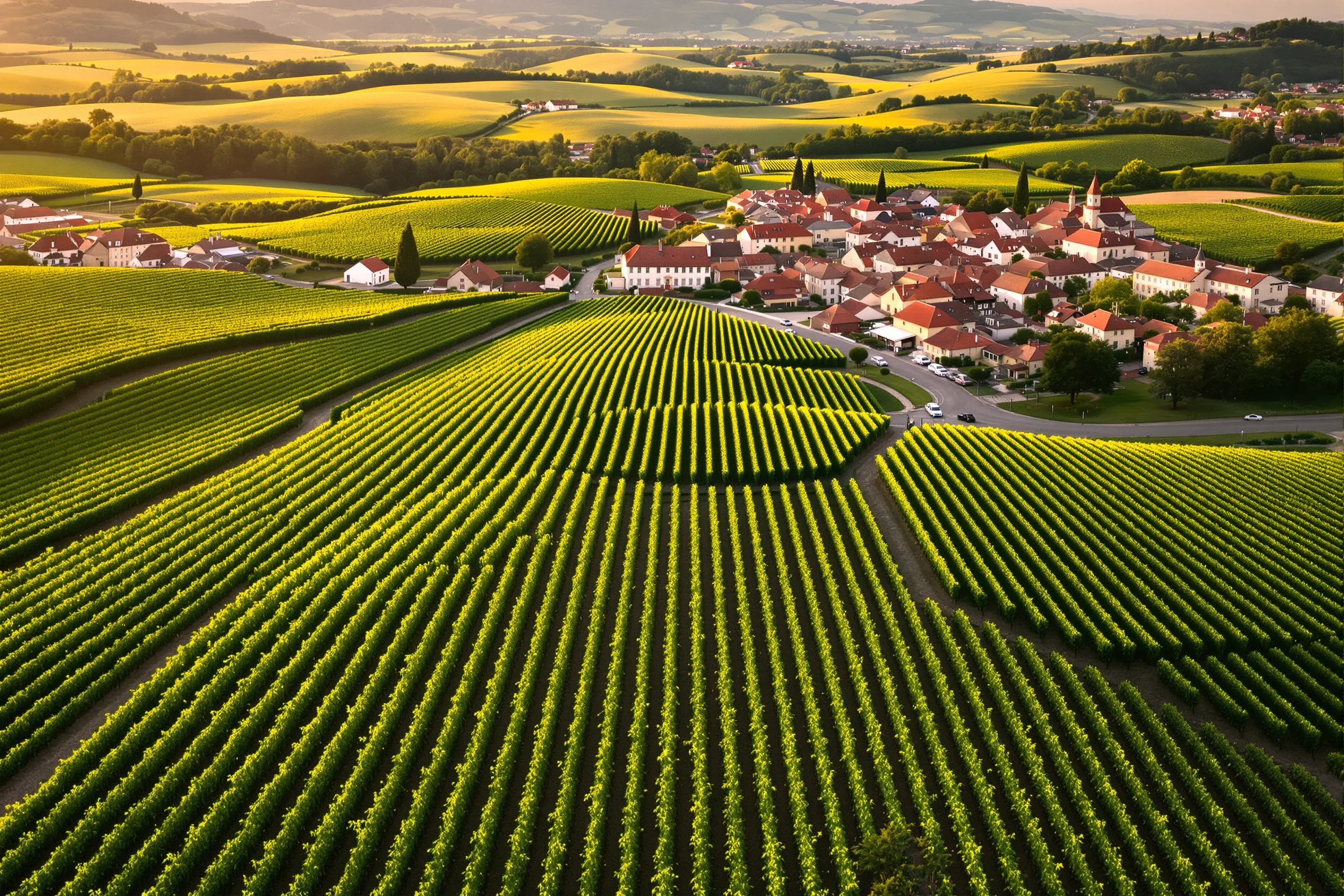
Bordeaux is the ideal base for wine tours of the region's 60+ appellations
Margaux, Pauillac, Saint-Julien, Saint-Estèphe
Médoc
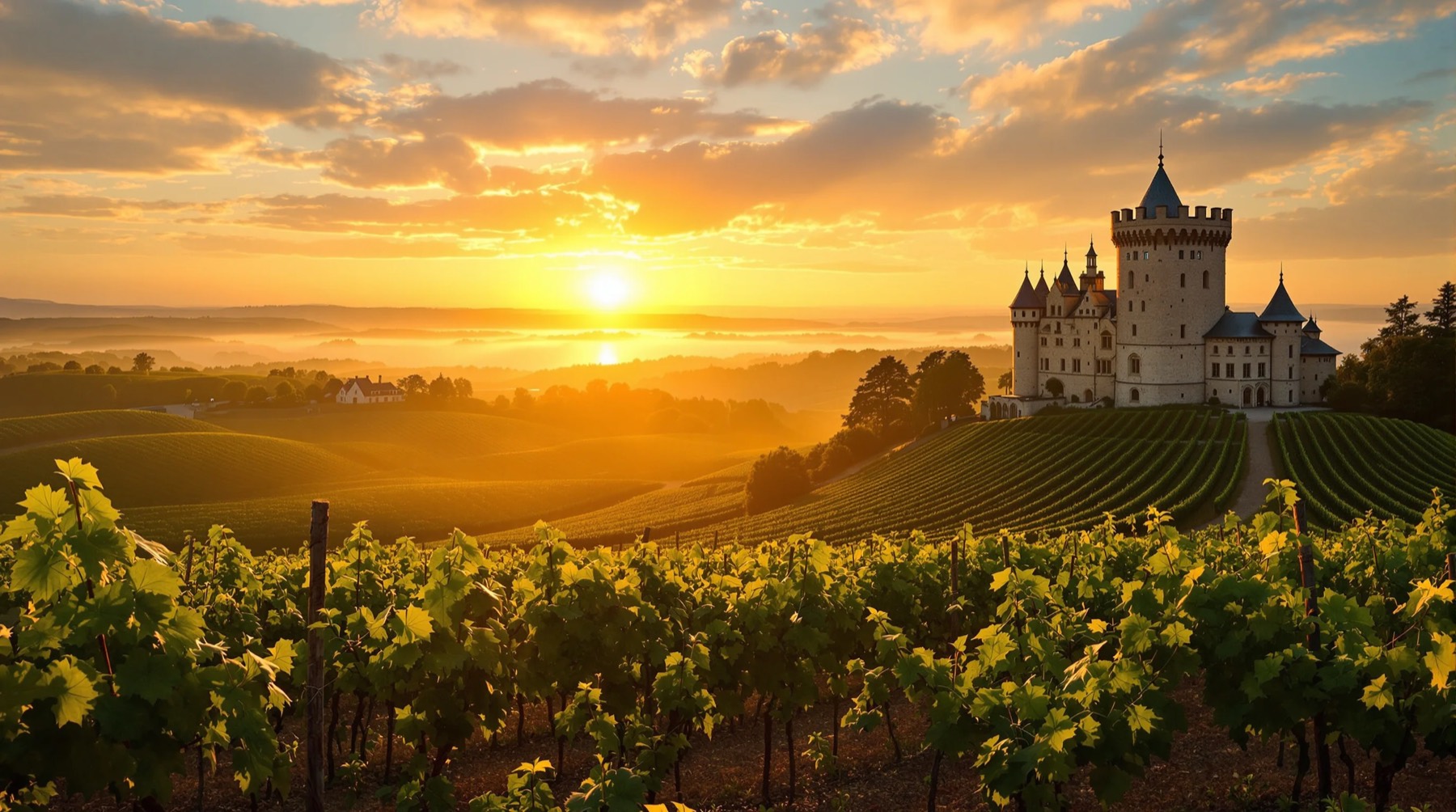
The left bank of the Gironde, home to Bordeaux's greatest red wines. Gravel soils, with Cabernet Sauvignon dominant.
Famous châteaux
- Château Margaux (Premier Cru Classé)
- Château Latour (Premier Cru Classé)
- Château Mouton Rothschild (Premier Cru Classé)
- Château Pichon Baron
Wine characteristics
- Powerful, tannic red wines
- 20–50+ years of ageing potential
- Aromas of blackcurrant, cedar and tobacco
- The 1855 classification
Saint-Émilion Grand Cru, Pomerol, Fronsac
Saint-Émilion
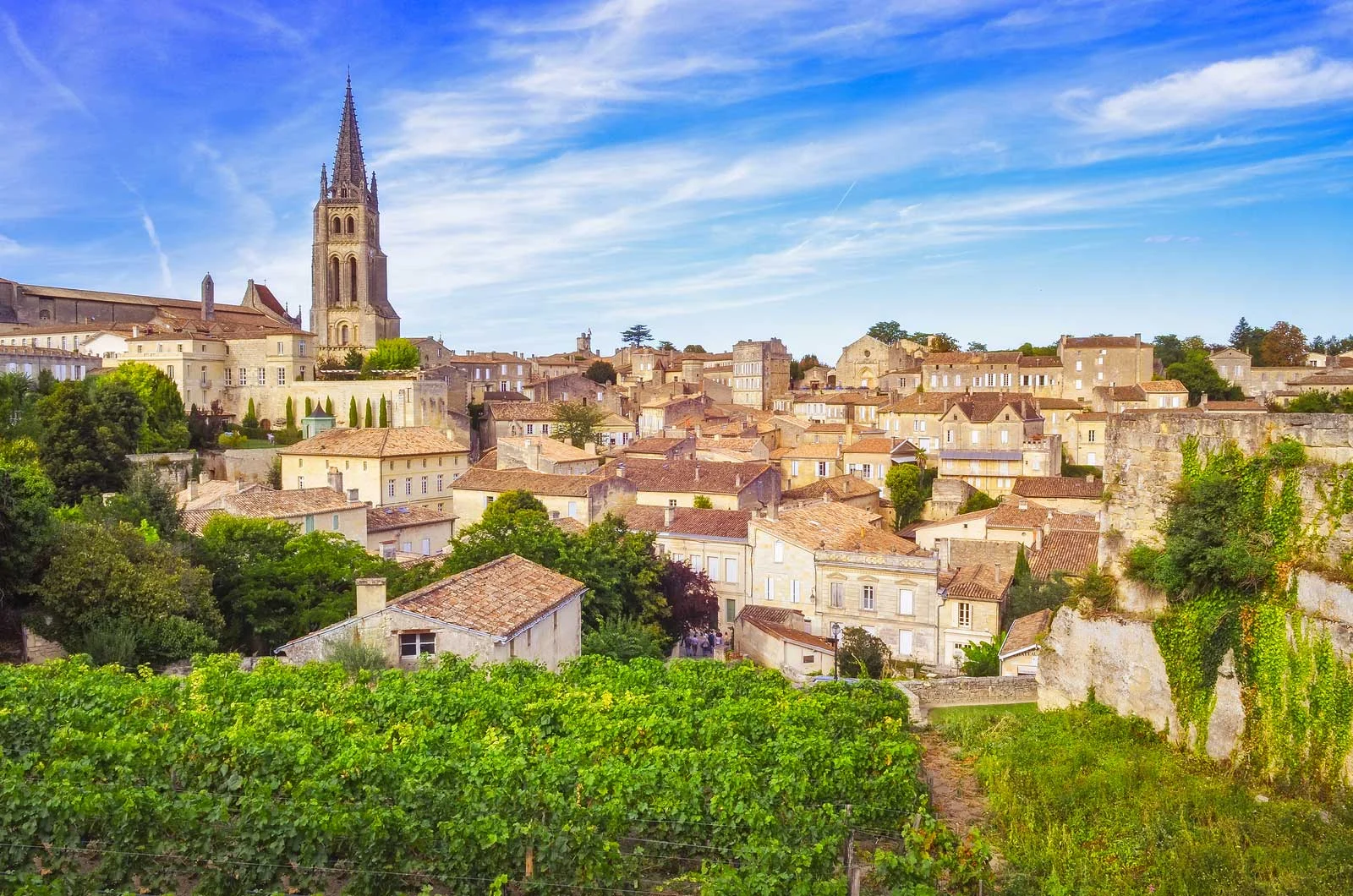
The right bank of the Dordogne, with a medieval town and wine châteaux. Limestone and clay soils, with Merlot dominant.
Famous châteaux
- Château Cheval Blanc (Premier Grand Cru Classé A)
- Château Ausone (Premier Grand Cru Classé A)
- Château Angélus (Premier Grand Cru Classé A)
- Château Figeac
Wine characteristics
- Elegant, velvety red wines
- Softer tannins than in Médoc
- Aromas of plum, cherry and truffle
- Medieval architecture
Pessac-Léognan, Graves
Graves & Pessac-Léognan
Gravel soils (graves) and red and white wines of the highest quality. The wine region closest to the city.
Famous châteaux
- Château Haut-Brion (Premier Cru Classé)
- Château La Mission Haut-Brion
- Domaine de Chevalier
- Château Smith Haut Lafitte
Wine characteristics
- World-class red and white wines
- Whites: Sauvignon Blanc + Sémillon
- Citrus, mineral and smoky aromas
- Wine tourism and spas
Sauternes, Barsac
Sauternes
Legendary sweet wines made from grapes affected by the noble rot Botrytis cinerea.
Famous châteaux
- Château d'Yquem (Premier Cru Supérieur)
- Château Climens
- Château Rieussec
- Château Suduiraut
Wine characteristics
- Sweet golden wines
- Aromas of honey, apricot and saffron
- Perfect with foie gras and Roquefort
- 50+ years of ageing potential
Entre-Deux-Mers, Cadillac Côtes de Bordeaux
Entre-Deux-Mers
The region between the Dordogne and Garonne rivers. Fresh whites and affordable reds.
Famous châteaux
- Château Bonnet
- Château Thieuley
- Château Tour de Mirambeau
- Château Penin
Wine characteristics
- Fresh white wines to drink young
- Affordable prices (€8–20)
- Aromas of citrus and white flowers
- Ideal with oysters
Museum
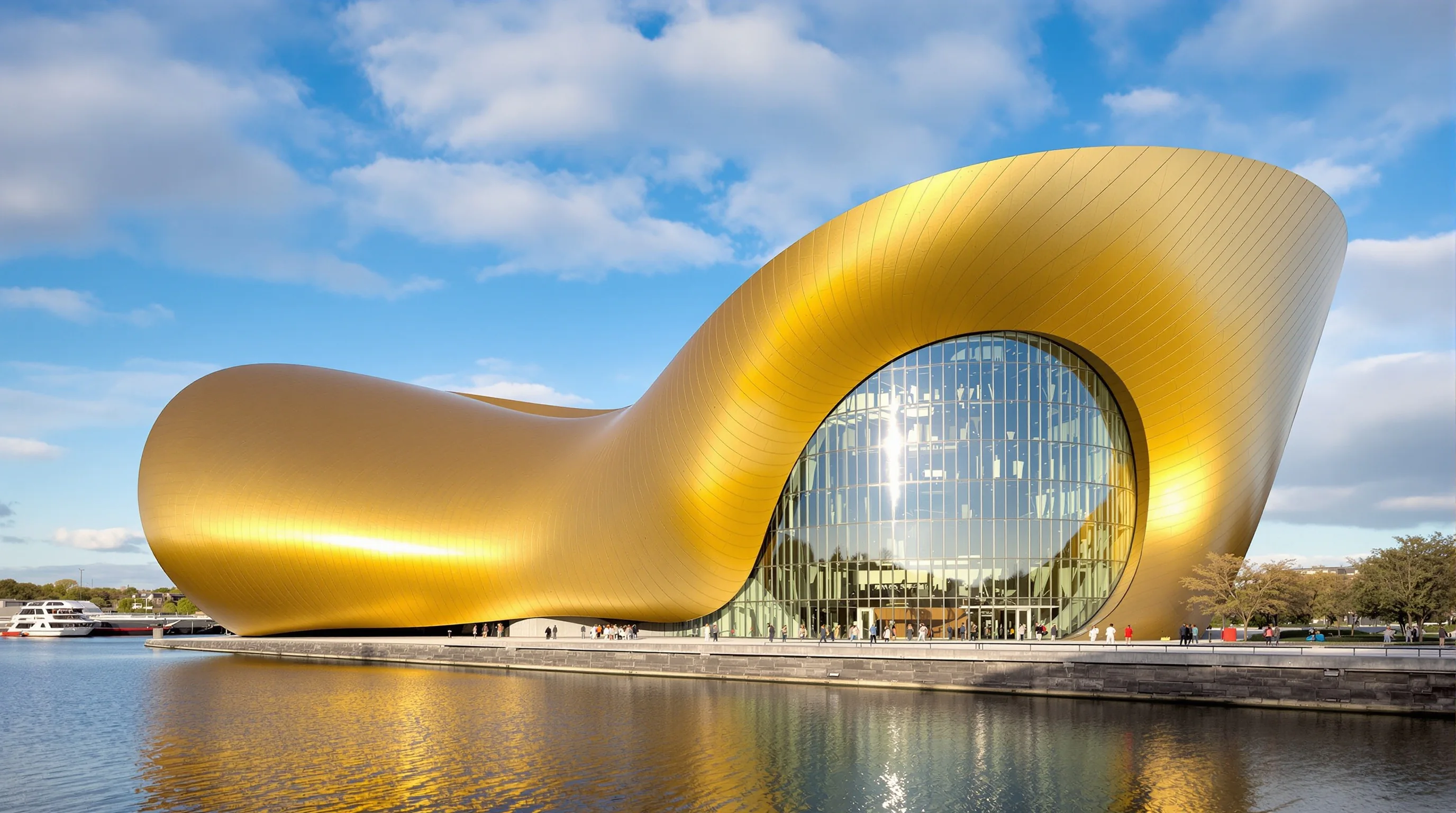
La Cité du Vin — a world-class wine museum
The world’s largest wine museum, opened in 2016
Permanent exhibition
An interactive journey through the world’s wine cultures over 8 levels
- 20 themed multimedia areas
- The history of winemaking from antiquity to the present
- Wine regions on every continent
- Sensory rooms to develop your sense of smell
Belvedere (viewing platform)
Panoramic views over Bordeaux from 35 metres up, plus a tasting
- 360° views of the city and the Garonne
- Wine tasting from the museum collection
- A choice of 20+ wines from around the world
- Audio guide describing the panorama
Temporary exhibitions
Regularly changing exhibitions about wine, art and culture
- Exhibitions by renowned photographers
- Contemporary art and wine
- Historic collections
- Interactive installations
Workshops and tastings
Educational programmes for all levels
- Tastings with a sommelier (from €25)
- Wine culture workshops
- Seminars on regions and grape varieties
- Children's programmes (alcohol-free)
Practical information
Opening hours
- Mon–Fri: 10 am–6 pm
- Sat–Sun: 10:00–19:00
- Last admission one hour before closing
- Closed: 1 January and 25 December
Tickets and prices
- Adults: €22 (including a tasting)
- Students/seniors: €19
- Children aged 6–17: €10
- Children under 6: free
Getting there
- Address: 134 Quai de Bacalan
- Tram B: La Cité du Vin stop
- Bus 7: La Cité du Vin stop
- Parking: €2/hour
Restaurants
- Le 7 Restaurant (7th floor, panoramic views)
- Latitude20 (wine bar, ground floor)
- Booking recommended
- Wine list with 800+ choices
Cuisine
Gastronomy of Bordeaux
From traditional specialities to Michelin-starred restaurants
Traditional Bordeaux dishes
Canelé
Bordeaux’s signature little cake: a caramelised crust and a soft centre flavoured with rum and vanilla.
Arcachon oysters
The freshest oysters from Arcachon Bay (60 km from Bordeaux). Served with lemon, shallots and rye bread.
Entrecôte à la bordelaise
Beef steak with a sauce of red wine, shallots and bone marrow. A classic of Bordeaux cuisine.
Lamproie à la bordelaise
A traditional dish of lamprey, an ancient fish, simmered in red wine with leeks. A regional delicacy.
Dunes Blanches
A dessert of meringue, whipped cream and almonds, symbolising Arcachon’s sand dunes.
Frog's legs (Grenouilettes)
Frog's legs in garlic butter with parsley. A traditional local starter.
Bordeaux restaurants
- Le Pressoir d'ArgentChef: Gordon Ramsay · ⭐⭐ Michelin
- La Grande MaisonChef: Pierre Gagnaire · ⭐⭐ Michelin
- Le Quatrième MurChef: Philippe Etchebest
- La TupinaChef: Jean-Pierre Xiradakis
Trip
Practical tips
Everything you need to plan a trip to Bordeaux
Best time to visit
May–June and September–October — ideal weather, fewer tourists and wine season
How much time you need
At least three or four days: one or two for the city, two or three for wine tours around the region
Getting there
TGV from Paris: 2 hours. Bordeaux-Mérignac Airport is 12 km from the centre, with a tram into the city
Getting around the city
Tram (4 lines), VCub bicycles, walking in the centre. Hire a car for wine tours
Where to stay
Triangle d'Or (central), Chartrons (fashionable district), Saint-Pierre (historic)
Budget
Hotel €80–200/night, lunch €15–30, dinner €40–80, wine tour €80–150/day
Suggested 4-day itinerary
- 1
Historical Center
Day 1
Morning: Place de la Bourse, Grand Théâtre and Rue Sainte-Catherine. Lunch at La Tupina. Afternoon: Saint-André Cathedral and Pey-Berland. Evening: dinner in a wine bar and a walk along the riverfront.
- 2
Cité du Vin and Chartrons
Day 2
Morning: La Cité du Vin (3–4 hours). Lunch at Le 7 Restaurant (in the museum). Afternoon: Chartrons district, antiques shops and wine boutiques. Evening: dinner at Le Quatrième Mur.
- 3
Médoc wine tour
Day 3
Full day: Médoc wine tour with a guide and driver. Visit 2–3 châteaux (Margaux, Pauillac), enjoy tastings and have lunch at a château. Return to Bordeaux in the evening.
- 4
Saint-Émilion
Day 4
A full day: the medieval town of Saint-Émilion (UNESCO), visits to two châteaux, tastings and lunch in town. Optional stop in Pomerol. Return to Bordeaux in the evening.
Questions
Frequently asked questions
Answers to common questions about Bordeaux
How many days do I need in Bordeaux?
I recommend at least 3–4 days: 1–2 days for the city itself, with architecture, museums and restaurants, and 2–3 days for wine tours around Médoc, Saint-Émilion, Graves and Sauternes. Plan a week if you want to explore wine culture more deeply and visit more châteaux.
When is the best time to visit Bordeaux?
The ideal time is May–June and September–October. Comfortable weather (18–25°C), fewer visitors and the wine season in full swing. September is especially good — it is harvest time (vendanges), when you can see winemaking in action. Avoid August (many establishments close) and winter (cold, short days).
Do I need a car in Bordeaux?
You do not need a car in the city: public transport is excellent (trams and buses), the centre is compact and everything is within walking distance. A car is essential for wine tours in the region, however. I recommend a car with a driver or organised tours: tastings involve alcohol, and drink-driving penalties in France are very severe.
Can you visit wine châteaux without booking?
Most prestigious châteaux require booking one to four weeks ahead, particularly in high season. Some smaller châteaux welcome walk-ins, but it is a risk. I recommend booking ahead through château websites or a wine guide. I organize château visits for my clients, including exclusive tastings.
How much do wine tours from Bordeaux cost?
Prices vary: group tours cost €80–150/day, including transport, 2–3 châteaux and tastings; private tours start at €1,100 per day per group, with a private guide and driver, a flexible itinerary and exclusive châteaux. Château tastings cost €15–50 per person; a château lunch costs €40–80. I offer fully guided private tours.
What should I definitely try in Bordeaux?
Food: canelés (the city’s signature dessert), Arcachon oysters, entrecôte à la bordelaise and lamprey in red wine. Wines: Médoc and Saint-Émilion reds, Graves whites and Sauternes sweet wines. Restaurants: La Tupina (traditional cuisine), Le Quatrième Mur (Philippe Etchebest), and Michelin-starred Le Pressoir d’Argent and La Grande Maison.
Where is the best place to stay in Bordeaux?
The best areas are the Triangle d'Or (historic centre, close to everything), Chartrons (a fashionable neighbourhood with wine boutiques and restaurants) and Saint-Pierre (an atmospheric Old Town). Avoid the area around Saint-Jean station, which is less safe in the evening. Prices per night: hostels €25–40, 3-star hotels €80–120, 4–5-star hotels €150–300+.
Is La Cité du Vin worth visiting?
Absolutely! It is the world's largest wine museum, a must-visit for anyone interested in wine. An interactive exhibition across eight levels, a tasting with panoramic city views, temporary exhibitions and workshops. Allow at least three or four hours. The €22 ticket includes a tasting. Buy online ahead, especially in high season.
Bordeaux exceeded all my expectations when I first came here 15 years ago. I thought it was simply the wine capital, a place for tastings and château visits. But Bordeaux turned out to be much more.
This is a city with soul, where every street tells a story, 18th-century architecture creates an atmosphere of elegance, and wine culture is a way of life as much as a tradition. Here you will find the perfect balance between history and modern life, fine dining and traditional bistros, prestigious châteaux and family wineries.
Over my years as a wine guide, I have led hundreds of Bordeaux tours, discovering something new every time. A new château, a new restaurant, a new story. Bordeaux never gets boring; it is a city you want to return to again and again.
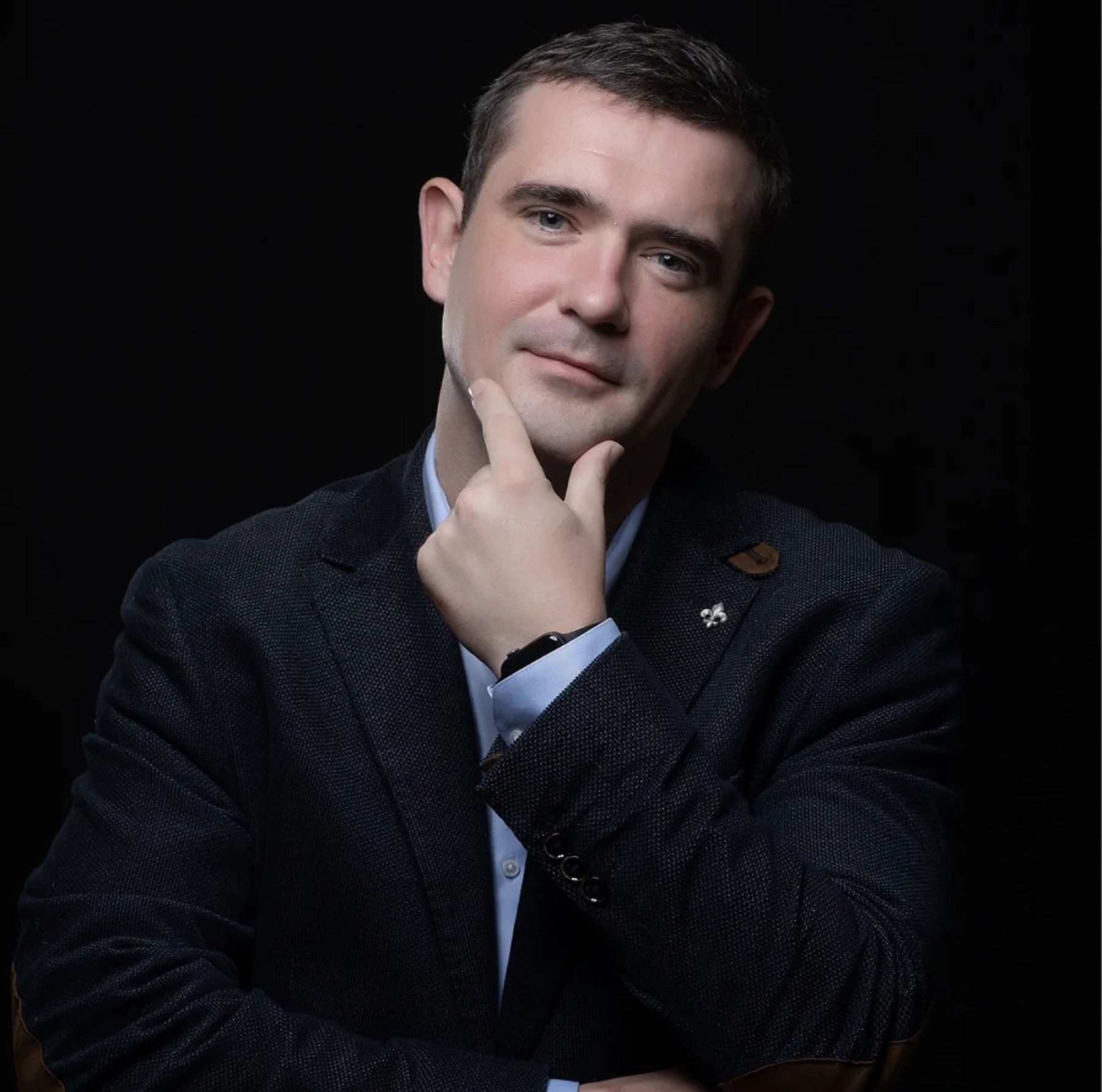 Kirill Lazovsky