TL;DR
The essentials at a glance
- 01France is the world’s gastronomic capital, with 632 Michelin stars
- 02Each region has its own culinary identity and specialities
- 03Food tours include tastings, workshops and visits to markets and farms
- 04Best time for food tours: April–June and September–October
- 05Tour prices: from €150/day (budget) to €1,000+/day (premium)
- 06The ideal length of a gastronomic tour is 5–7 days
French gastronomy is more than food: it is an art, a philosophy and a way of life. In 2010, the gastronomic meal of the French was added to UNESCO's Intangible Cultural Heritage list. With good reason: France gave the world haute cuisine, Michelin stars and a culture of enjoying food.
A food tour of France is a chance not only to taste legendary dishes, but also to understand the philosophy of French cuisine, meet producers, learn to cook with local chefs and discover regional specialities that guidebooks do not mention.
In this guide, I explain how to choose a gastronomic tour, which regions to visit, what you must try and how to get the most out of a culinary journey through France.
5 reasons to choose a gastronomic tour
Michelin-starred restaurants
632 Michelin stars — more than any other country. From bistros to three-star temples of gastronomy.
Regional diversity
Each region has a unique culinary identity, from Provence's bouillabaisse to Alsace's choucroute.
Farmers' markets
More than 8,000 markets across the country where you can buy the freshest produce directly from producers.
Wine pairings
Perfect pairings of French wines with regional dishes — an art refined to perfection.
Chef-led workshops
A chance to learn from the best, from village cooks to Michelin-starred chefs.
The main gastronomic regions
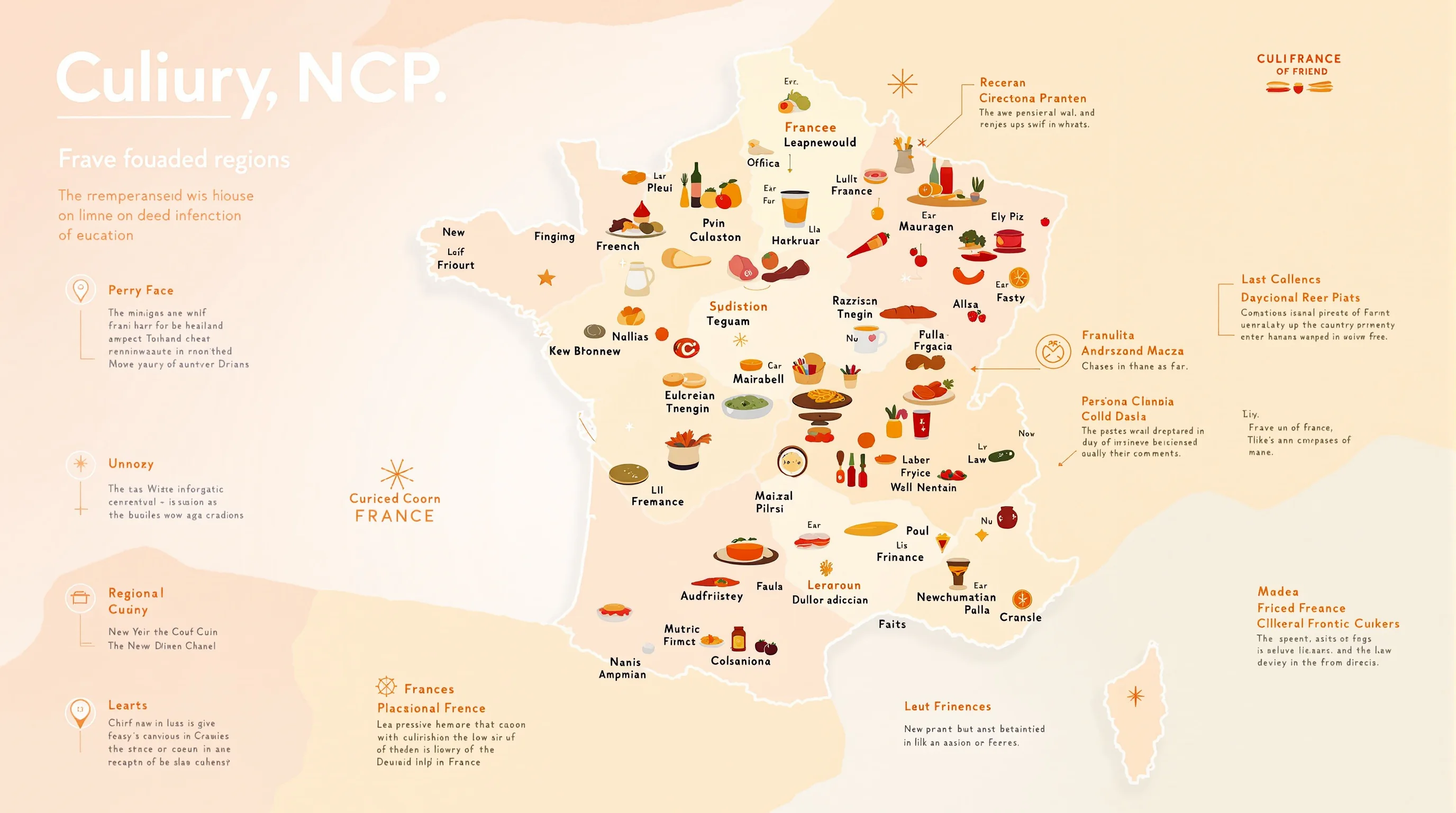
Do not try to cover every region in one tour. It is better to immerse yourself in one or two than skim all of France. Each region deserves at least three or four days.
Provence
Burgundy
Bordeaux
Lyon
Normandy
Alsace
Types of food experience
A gastronomic tour is more than restaurants. It is a complete experience encompassing different food- and wine-related activities.
Restaurant tastings
A tasting menu (menu dégustation) of 5–12 courses with wine pairings. A chance to speak to the chef and learn cooking secrets.
Cooking classes
Learn to make croissants, macarons, bouillabaisse or beef bourguignon. Classes take place in professional kitchens or local homes.
Market visits
A guided market walk with tastings of cheeses, cured meats, bread and fruit. Buy supplies for a picnic or dinner.
Visits to farms and producers
Visits to cheese farms, oyster farms, chocolate workshops and bakeries. Tastings and the chance to buy produce.
Wine tastings
Winery visits with wine tastings accompanied by local delicacies. Learn the art of food and wine pairing.
Truffle hunting
A seasonal experience (November–March) in Périgord or Provence. Searching for truffles with trained dogs and tasting truffle dishes.
Do not plan too tight a schedule. French gastronomy takes time: lunch can last 2–3 hours, and dinner even longer. Leave time to digest the experiences, as well as the food.
Must-try specialities
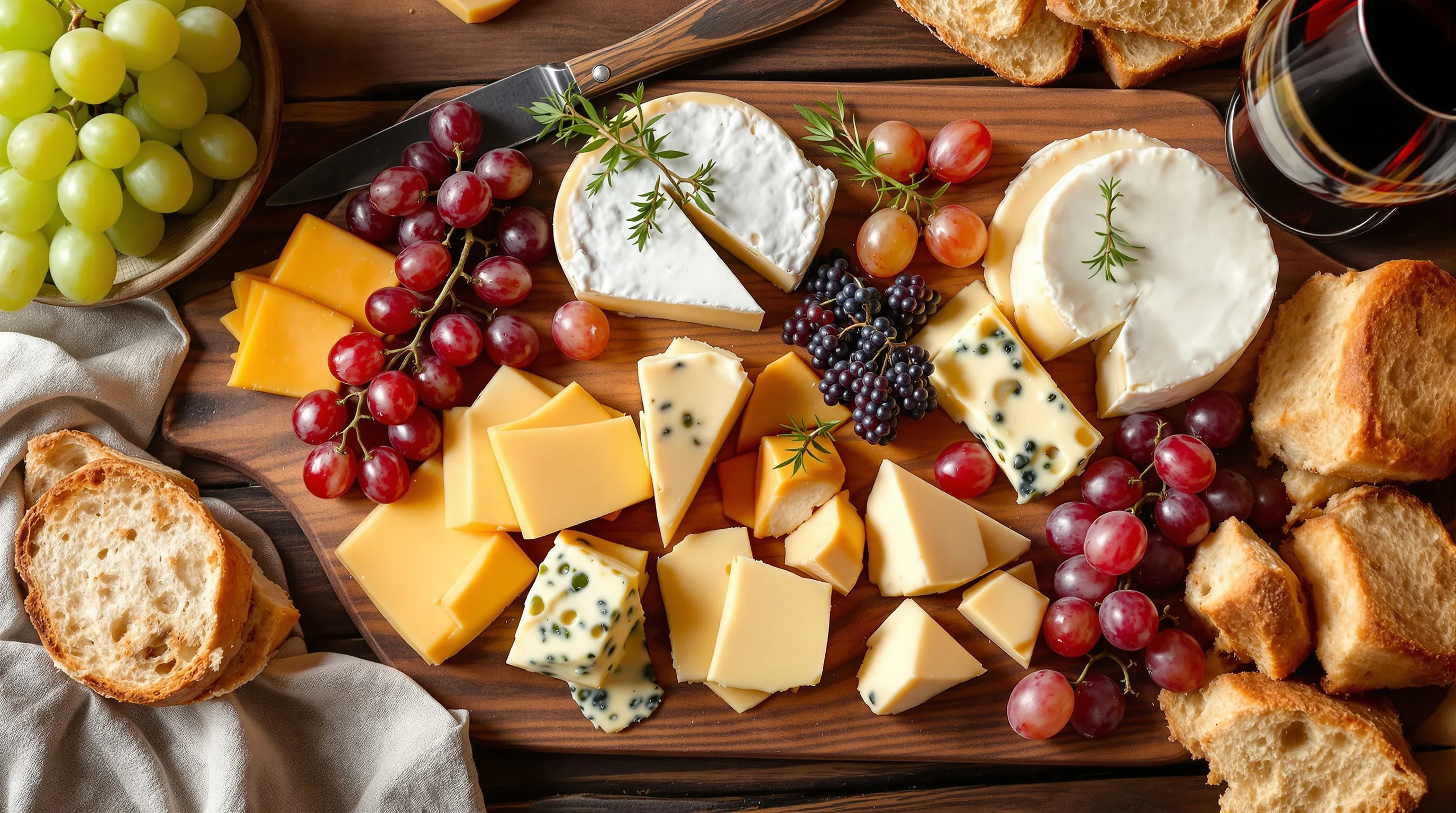
France produces more than 1,200 types of cheese, hundreds of sausages and countless regional specialities. Here are the main categories to try:
Cheeses
- Camembert (Normandy) — soft cheese with a bloomy white rind
- Roquefort (Occitanie) — blue cheese made from sheep’s milk
- Comté (Franche-Comté): a hard cheese made from unpasteurised milk
- Brie (Île-de-France) — the king of cheeses, soft and creamy
- Chèvre (Loire): goat's cheese in various shapes
Charcuterie
- Foie gras (South-West) — duck or goose liver
- Rillettes (Loire) — pork or duck spread
- Andouillette (Lyon): a sausage made from pork offal
- Jambon de Bayonne (Basque Country) — dry-cured ham
- Saucisses de Toulouse — traditional sausages
Seafood
- Arcachon oysters (Bordeaux): France's most famous
- Bouillabaisse (Provence) — Marseille fish soup
- Moules marinières (Brittany) — mussels in white wine
- Langoustines (Brittany): Norway lobsters
- Coquilles Saint-Jacques — scallops, a winter delicacy
Desserts and pastries
- Croissants and pains au chocolat: French bakery classics
- Macarons (Paris) — filled almond biscuits
- Canelés (Bordeaux) — caramelised little cakes
- Tarte Tatin (Normandy) — upside-down apple tart
- Crème brûlée: custard with a caramelised crust
Many French products have a protected designation of origin (AOC/AOP). This guarantees authenticity and quality. Look for these marks when shopping.
Sample 7-day itinerary
A classic food tour through three regions: Lyon, the capital of gastronomy; Burgundy, for wine and cuisine; and Provence, for Mediterranean flavours.
Arrival in Lyon
- Check into a city-centre hotel
- Lunch at a traditional bouchon
- Explore Les Halles de Lyon Paul Bocuse market
- Dinner at a Michelin-starred restaurant
Cooking class
- A morning French pastry workshop
- Lunch featuring the dishes you have prepared
- Visit to a cheese shop and tasting
- A free evening for independent exploration
Burgundy: wine and food
- Drive to Burgundy (1.5 hours)
- Wine tasting in Beaune with a cheese platter
- Lunch at a winery with wine pairings
- Visit to a Dijon mustard maker
Burgundy's wine route
- Visit three wineries in the Côte de Nuits
- Picnic in the vineyards
- Wine tasting masterclass
- Dinner at a restaurant serving local cuisine
Provence: markets and lavender
- Travel to Provence (3 hours)
- Visit a farmers' market in Aix-en-Provence
- Lunch in a Provençal bistro
- Rosé tasting at a winery
Provençal cuisine
- A bouillabaisse cooking workshop
- Lunch featuring the dishes you have prepared
- Visit an olive farm and taste the oil
- Farewell dinner at a restaurant with a view
Departure
- Breakfast at the hotel
- Free time to shop for produce
- Transfer to the airport
- Departure with suitcases full of delicacies
This itinerary can be adapted to your preferences: add more cooking classes, focus on one region or include truffle farm visits in season.
How to organise a food tour
There are several ways to organise a gastronomic tour of France. The choice depends on your budget, preferences and how independently you wish to travel.
Private guided tours
A fully personalised experience with a private food guide
- A personal guide throughout the tour
- A private itinerary tailored to your preferences
- Bookings at the best restaurants
- Access to private tastings
- Transport and all transfers
Group gastronomic tours
Organised tours in small groups of up to 8 people, with larger groups on request
- Professional guide
- A fixed regional itinerary
- Tastings and workshops
- Some meals included
- Group transport
Cooking schools
Intensive residential cooking courses
- Daily cooking classes (4–6 hours)
- Learning from professional chefs
- All ingredients and equipment
- Accommodation and meals
- Certificate on completion
Independent planning
Organise your own tour with a consultant’s help
- Itinerary consultation
- A list of recommended places
- Booking assistance
- Regional guide (PDF)
- Support during your trip
For a first food tour, I recommend a private or small-group guided tour. This lets you get the most from the experience, discover insider places and avoid common mistakes.
Practical tips
Book in advance
Michelin-starred restaurants and popular workshops need booking 2–3 months ahead. Some three-star restaurants require six months’ notice.
Plan your budget
A food tour is an expensive pleasure. Allow €150–300/day for food and tastings, plus accommodation and transport.
Choose the right season
Best times: April–June (spring produce) and September–October (truffle and mushroom season). Avoid August: many restaurants close.
Dress code matters
Michelin-starred restaurants have a dress code: shirt and trousers for men; a dress or elegant outfit for women. Jeans and trainers are inappropriate.
Learn basic French
Knowing basic French phrases will open more doors. French people appreciate efforts to speak their language, especially outside the major cities.
Bring food home
Many products can be packed in your luggage: cheeses (vacuum-packed), wine, preserved foods and spices. Check your country’s customs rules.
Common visitor mistakes
- Trying everything at once — less is better if the quality is higher
- Ignoring local bistros in pursuit of Michelin stars
- Rejecting unfamiliar dishes: be open to new experiences
- Photographing every dish — enjoy the moment
- Neglecting wine pairings — they bring out the flavours of the food
Frequently asked questions
Can you bring food home?
Yes, many products can be transported: vacuum-packed cheeses, wine for personal consumption within the EU without duty; outside the EU, check the destination country’s entry rules before travelling, preserves, spices and chocolate. Not permitted: fresh meat and unpasteurized dairy products (outside the EU).
Ready for a food journey?
I organise personalised gastronomic tours of France around your preferences, budget and culinary interests. From bistros to Michelin-starred restaurants, and from markets to wine cellars.