
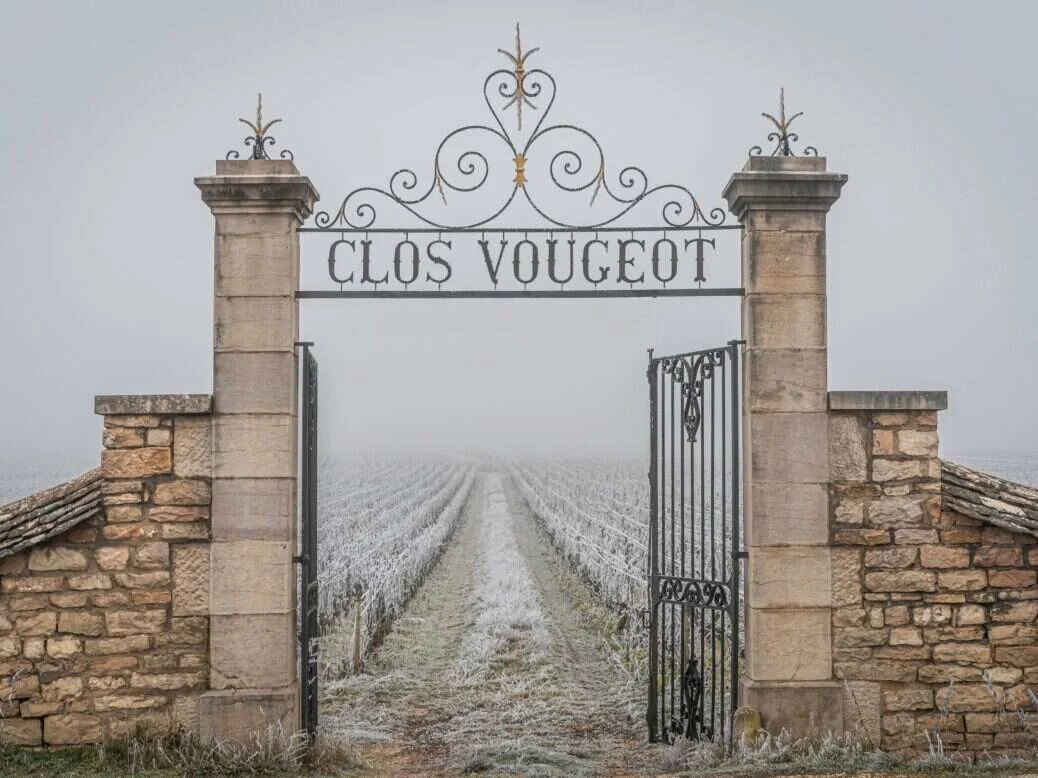

At a glance. Grand Cru, “great site”, and Premier Cru, “first site”, mark the highest levels of French wine. Their meaning varies by region. In Burgundy, they designate plots of land: 33 Grands Crus and around 640 Premiers Crus. Chablis has seven Grand Cru sites. In Bordeaux, a cru is a château: the 1855 Premier Grand Cru Classé rank covers five of the most famous estates. In Champagne, Grand Cru means a village, of which there are 17. Alsace has 51 sites. “Saint-Émilion Grand Cru”, meanwhile, is an appellation rather than a classification.
What is a cru?
Cru comes from the French verb croître, “to grow”. In wine it means the place where grapes grew, a plot or estate with a special reputation. Grand Cru and Premier Cru are steps in the hierarchy of these places. The key point: Burgundy classifies land, while Bordeaux classifies châteaux.
Burgundy: classifying plots
The Burgundy pyramid, from bottom to top:
| Level | Approximate share | Example on a label |
|---|---|---|
| Regional | ~50% | Bourgogne Rouge, Bourgogne Blanc |
| Village, 44 villages | ~35% | Gevrey-Chambertin, Meursault |
| Premier Cru, around 640 plots | ~10% | Puligny-Montrachet 1er Cru Les Pucelles |
| Grand Cru, 33 plots | ~1–2% | Chambertin, Montrachet, Corton-Charlemagne |
How to read it:
- a Grand Cru label shows only the plot's name: Chambertin, Musigny, Romanée-Conti. It does not name the village;
- a Premier Cru shows village + 1er Cru + plot: Volnay 1er Cru Caillerets.
An important detail. Burgundy's plots are split among many owners, around 80 at Clos de Vougeot. The same Grand Cru can therefore differ considerably between producers. The producer's name matters more than the plot's name.
Read more in “Burgundy Wine”.
Chablis: its own system
Chablis has four levels: Petit Chablis, Chablis, Chablis Premier Cru, with 40 sites, and Chablis Grand Cru, one slope above the town with seven sites: Blanchot, Bougros, Les Clos, Grenouilles, Les Preuses, Valmur and Vaudésir. Read more in “Chablis”.
Bordeaux: classifying châteaux
Bordeaux classifies estates rather than plots.
- The 1855 classification, Médoc and Sauternes. Reds have five ranks, from Premier Cru Classé to Cinquième Cru Classé. The five First Growths are Lafite Rothschild, Latour, Mouton Rothschild, Margaux and Haut-Brion. Labels say Grand Cru Classé en 1855. Château d'Yquem in Sauternes has the special rank Premier Cru Supérieur.
- Saint-Émilion has its own classification, revised roughly every ten years: Premier Grand Cru Classé A, Pavie and Figeac in the 2022 edition, Premier Grand Cru Classé B and Grand Cru Classé.
- Crus Bourgeois du Médoc is a separate classification for estates outside the 1855 list.
The trap: “Saint-Émilion Grand Cru”
Saint-Émilion Grand Cru, without Classé, is an appellation with strict rules, rather than a classification. There are many such wines, varying greatly in quality. The higher classified ranks are Grand Cru Classé and Premier Grand Cru Classé.
Read more in “How to Choose Bordeaux Wine”.
Champagne: classifying villages
In Champagne, status belongs to the whole village. The former échelle des crus, “cru ladder”, assigned each village a percentage that determined grape prices. Grand Cru villages scored 100%; there are 17, including Aÿ, Bouzy, Ambonnay, Verzy, Cramant, Avize and Le Mesnil-sur-Oger. Premier Cru covers around 40 villages. The price ladder was abolished in the 2000s, but Grand Cru and Premier Cru names remain on labels.
“Grand Cru Champagne” means all its grapes come from Grand Cru villages. It signals quality, but the house or grower still defines the style.
Alsace: 51 Grands Crus
Alsace has 51 sites with Alsace Grand Cru status, each a separate appellation. Rules are strict: grapes only from that site, its name on the label and lower yields. Four “noble” grapes are mainly permitted: Riesling, Gewurztraminer, Pinot Gris and Muscat.
Comparison table
| Region | What is classified | Grand Cru | Premier Cru |
|---|---|---|---|
| Burgundy | Plots | 33 | ~640 |
| Chablis | Plots | 7 | 40 |
| Bordeaux, Médoc, 1855 | Châteaux | —, five Premier Cru Classé châteaux | — |
| Saint-Émilion | Châteaux | Grand Cru Classé | Premier Grand Cru Classé A and B |
| Champagne | Villages | 17 | ~40 |
| Alsace | Plots | 51 | — |
Is Grand Cru worth paying for?
- Grand Cru offers potential, not a guarantee. A weak producer on a great site will lose to a strong producer on a modest one.
- Premier Cru from a good estate is often more interesting than mediocre Grand Cru, at a fraction of the price.
- Grand Cru needs time. Young Burgundy Grand Cru or classified Bordeaux may be closed and hard; people buy it for cellaring.
- Look for less prominent villages and second wines: modest appellations from great estates and the second wines of famous châteaux offer their style for less money.
Burgundy's best-known Grands Crus
| Grand Cru | Where | Wine |
|---|---|---|
| Chambertin, Chambertin-Clos de Bèze | Gevrey-Chambertin | Powerful red |
| Musigny | Chambolle-Musigny | Delicate red |
| Clos de Vougeot | Vougeot | Red, around 80 owners |
| Romanée-Conti, La Tâche, Richebourg | Vosne-Romanée | Red, the pinnacle of Pinot Noir |
| Corton | Aloxe-Corton | Red |
| Corton-Charlemagne | Aloxe-Corton | White |
| Montrachet, Chevalier-Montrachet, Bâtard-Montrachet | Puligny and Chassagne | White, the pinnacle of Chardonnay |
Reading a Burgundy label: examples
- Bourgogne Pinot Noir: regional wine.
- Gevrey-Chambertin: village wine.
- Gevrey-Chambertin 1er Cru Les Cazetiers: Premier Cru, village + 1er Cru + plot.
- Chambertin Grand Cru: Grand Cru, just the plot's name.
The trap: Gevrey-Chambertin sounds like Chambertin Grand Cru, but it is a village wine. Many Burgundy villages added their finest site's name to their own, hence the double names.
Other uses of “Premier” and “Grand”
- Premier Cru Classé in Bordeaux is the highest 1855 rank, while Premier Cru in Burgundy is the second level. The same word has different meanings.
- Grand Vin in Bordeaux simply means the château's main wine, not a classification.
- Grande Réserve in France is a marketing term with little regulation.
What it costs
Grands Crus account for around 1–2% of Burgundy wine, with enormous demand. Prices start at a few dozen euros for modest Grands Crus and reach thousands for the most famous. Premier Cru from a good producer often offers the best value. Look for modest appellations from great estates and less prominent villages.
History: where crus came from
- Burgundy. Cistercian and Benedictine monks spent centuries observing which plots produced the best wine and surrounding them with walls, hence clos, as in Clos de Vougeot. Grand and Premier Cru status was formalised in the 20th century when the appellation system was created.
- Bordeaux. The 1855 classification was drawn up for the Paris Universal Exhibition, based on château wine prices. It has barely changed since; the best-known exception was Château Mouton Rothschild's promotion from second to first rank in 1973.
- Champagne. The cru ladder long determined what growers were paid for each village's grapes. Prices have long been free, but Grand Cru and Premier Cru names remain.
Where else France has crus
- Beaujolais: ten Beaujolais crus, including Morgon, Fleurie and Moulin-à-Vent. Here crus mean villages with the best wines rather than a plot classification. Read more in “Beaujolais Nouveau”.
- Loire: the Loire's first Grand Cru is Quarts de Chaume, sweet Chenin wines.
- Provence: Côtes de Provence Cru Classé estates, classified in 1955.
Cru appears frequently in France, but its meaning varies, so read the whole label.
Premiers Crus worth knowing
| Village | Well-known Premiers Crus |
|---|---|
| Gevrey-Chambertin | Clos Saint-Jacques, Les Cazetiers |
| Chambolle-Musigny | Les Amoureuses |
| Volnay | Caillerets, Clos des Santenots |
| Meursault | Perrières, Charmes, Genevrières |
| Puligny-Montrachet | Les Pucelles, Les Folatières |
| Chablis | Fourchaume, Montée de Tonnerre, Vaillons |
Some Premiers Crus almost match Grands Crus in reputation and price, such as Les Amoureuses in Chambolle-Musigny or Clos Saint-Jacques in Gevrey.
Common mistakes
- Confusing village wine with Grand Cru. Gevrey-Chambertin is a village; Chambertin is a Grand Cru.
- Thinking Saint-Émilion Grand Cru is a classification. It is an appellation; the classification is Grand Cru Classé.
- Buying Grand Cru for tonight's dinner. Young Grand Cru needs time.
- Paying for a word rather than a producer. Good Premier Cru often beats weak Grand Cru.
- Comparing Bordeaux and Burgundy “Premier Cru”. Bordeaux uses it for the top rank; Burgundy for the second level.
Frequently asked questions
What does Grand Cru mean on a wine?
Wine from a top-level place: a plot in Burgundy and Alsace, a village in Champagne; in Bordeaux, Grand Cru Classé means a classified château.
Which is better, Grand Cru or Premier Cru?
Grand Cru ranks higher. But good Premier Cru from a strong producer is often more interesting than weak Grand Cru.
How many Grands Crus does Burgundy have?
Thirty-three plots, around 1–2% of the region's wine.
What is Grand Cru Classé?
A classified Bordeaux estate under the 1855 classification, Médoc and Sauternes, the Graves classification or the Saint-Émilion classification.
Is Saint-Émilion Grand Cru a classification?
No, it is an appellation. The classification is Saint-Émilion Grand Cru Classé and Premier Grand Cru Classé.
What does “Grand Cru Champagne” mean?
Champagne made from grapes grown in Grand Cru villages. There are seventeen.
How do you recognise Grand Cru on a Burgundy label?
Only the plot's name appears, without the village. Premier Cru shows the village, 1er Cru and plot.
How long can Grand Cru age?
Usually ten years or more; the finest last for decades.
What does 1er Cru mean on a label?
Premier Cru, the second level of vineyard plots after Grand Cru in Burgundy and Chablis.
Does the Loire have Grand Cru?
There is almost no official Grand Cru system in the Loire; exceptions are individual appellations such as Quarts de Chaume.
Understand a label at a glance
Discover classifications and wine labels where the wines are made, on a vineyard journey. → Burgundy wine tour.