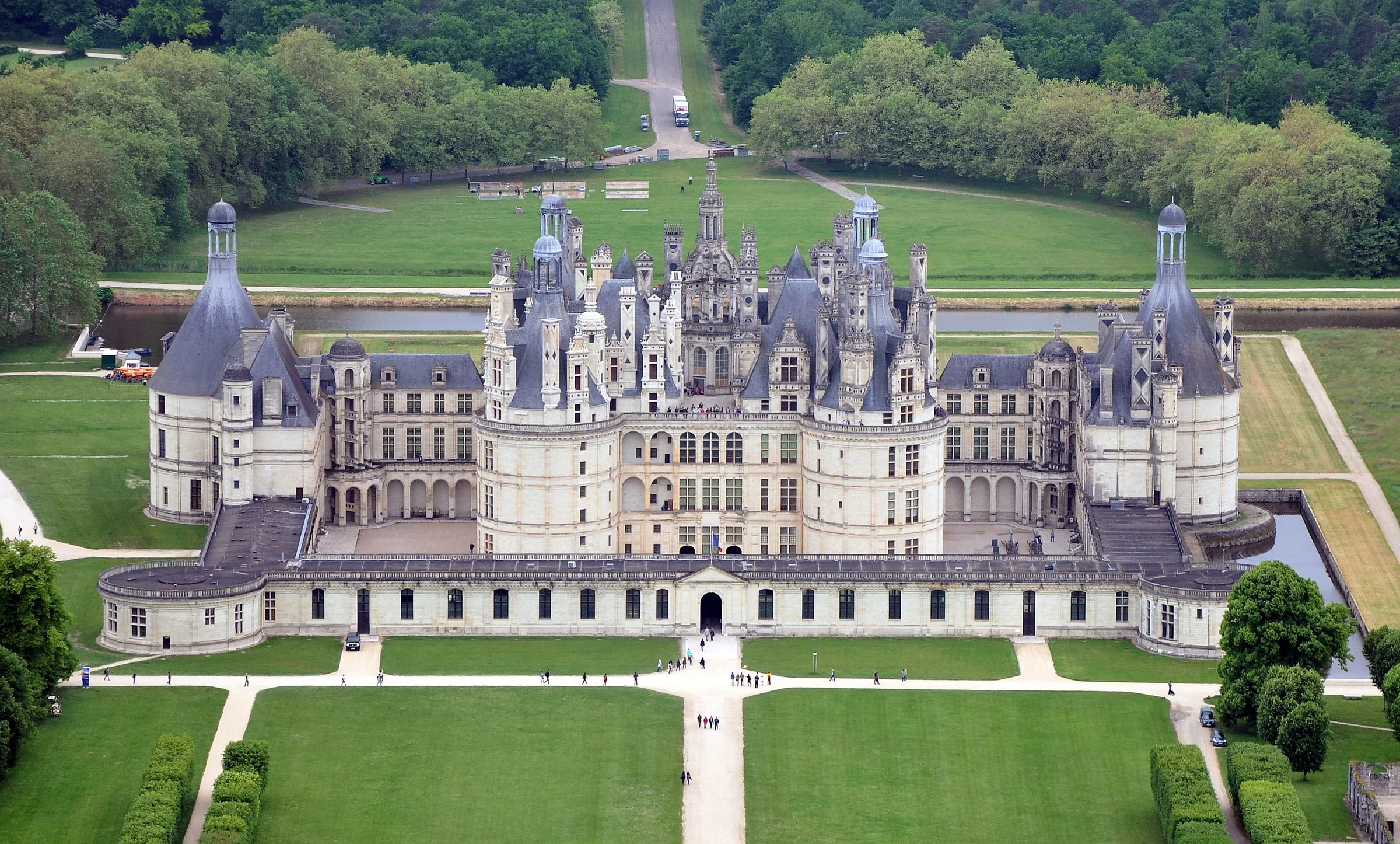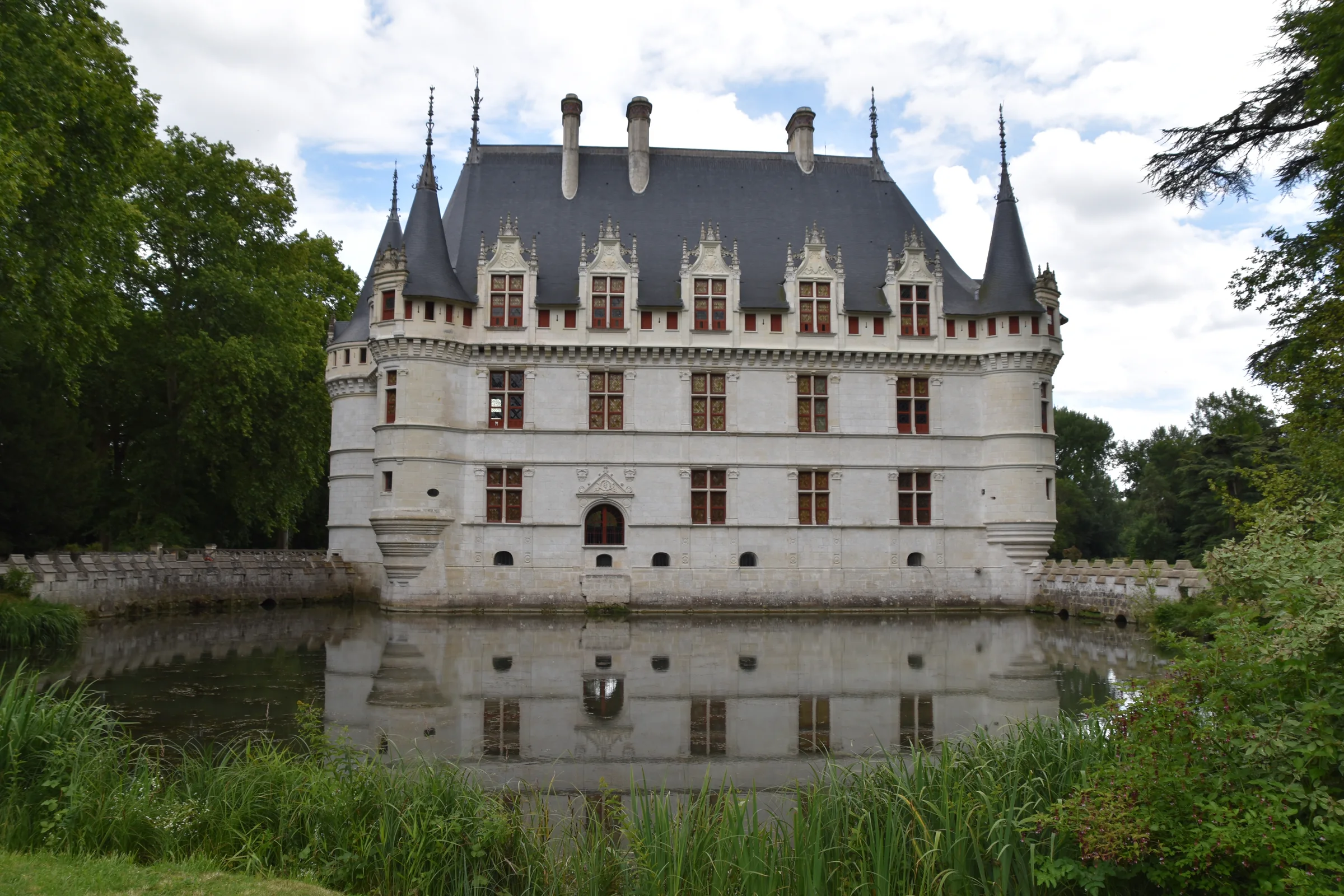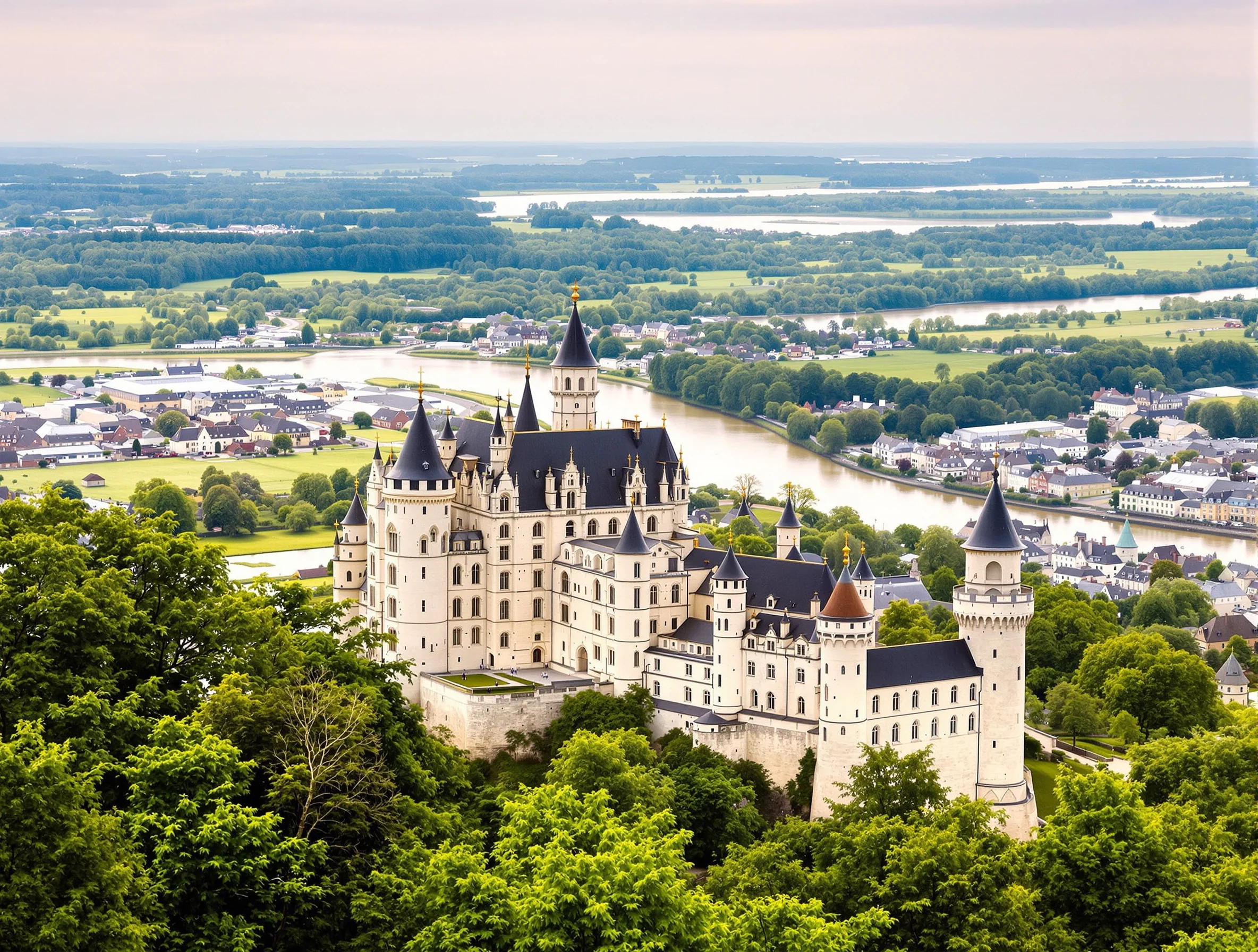
At a glance. The Loire Valley is about more than castles. You can cycle along La Loire à Vélo, take a balloon flight over Chenonceau and Chambord, sail in wooden boats, explore caves cut into white tuffeau stone and taste wine right inside them. A 280 km stretch of the valley has been a UNESCO World Heritage Site since 2000. Base yourself in Tours or Amboise; Tours is just over an hour from Paris by TGV.
Things to do at a glance
| Activity | Where | Who will enjoy it |
|---|---|---|
| Cycling along the Loire | the whole route, especially convenient between Blois, Amboise and Tours | active travellers and families |
| A hot-air balloon flight | over Chenonceau, Amboise and Chambord | couples, for a special occasion |
| A boat trip | Amboise, Chinon, Candes-Saint-Martin | everyone, especially in summer |
| Troglodyte caves and villages | around Saumur and Vouvray | curious visitors and families with children |
| Fontevraud Abbey | near Saumur | history lovers |
| Gardens | Villandry, Chaumont-sur-Loire | garden lovers, in spring and summer |
| Cellar tastings | Vouvray, Montlouis, Chinon, Saumur, Sancerre | anyone who enjoys wine |
| ZooParc de Beauval | Saint-Aignan | families with children |
Cycling: La Loire à Vélo
La Loire à Vélo is a signposted cycle route of around 900 km along the river, from Nevers to the Atlantic. It is part of the long-distance European route EuroVelo 6. The route is almost flat, with many sections separated from traffic, and every town has bike hire, including e-bikes.
The most popular stretch is between Blois, Amboise and Tours: you can cover 30–40 km in a day and visit one or two castles. Hire companies transfer luggage between hotels, so you can travel light.
In the air and on the river
- Hot-air balloons. Flights over the castles take place early in the morning or in the evening, when the wind drops, usually from spring to autumn. The flight itself lasts around an hour; the full experience, including preparations, takes longer. Book ahead and keep a spare day: flights are rescheduled in windy or rainy weather.
- Boats. Traditional flat-bottomed boats sail on the Loire and its tributaries: toues and gabares. Trips last an hour, sometimes with a glass of wine at sunset. Convenient departure points include Amboise, Chinon and Candes-Saint-Martin, where the Loire meets the Vienne.
- Canoeing is an option on the quieter tributaries: the Cher, Indre and Vienne.
Caves, troglodytes and tuffeau stone
The valley’s castles and houses are built from a soft white stone: tuffeau. Quarrying left kilometres of caves behind. People lived in them, sheltered livestock and grew mushrooms; wine is also aged there.
- Troglodyte villages around Saumur, such as Rochemenier, with its cave dwellings and underground farm.
- Mushroom caves can be found in and around Saumur: button and oyster mushrooms are grown here.
- Wine cellars cut into tuffeau are found in Vouvray, Montlouis, Chinon and Saumur. They stay cool all year, around 12 °C, so bring a jumper.
An abbey, gardens and museums
- Fontevraud Abbey is one of Europe’s largest monastic complexes. It houses the tombs of England’s King Richard the Lionheart, his mother Eleanor of Aquitaine, and Henry II.
- Chaumont-sur-Loire is a château above the river, hosting the annual International Garden Festival from spring to autumn.
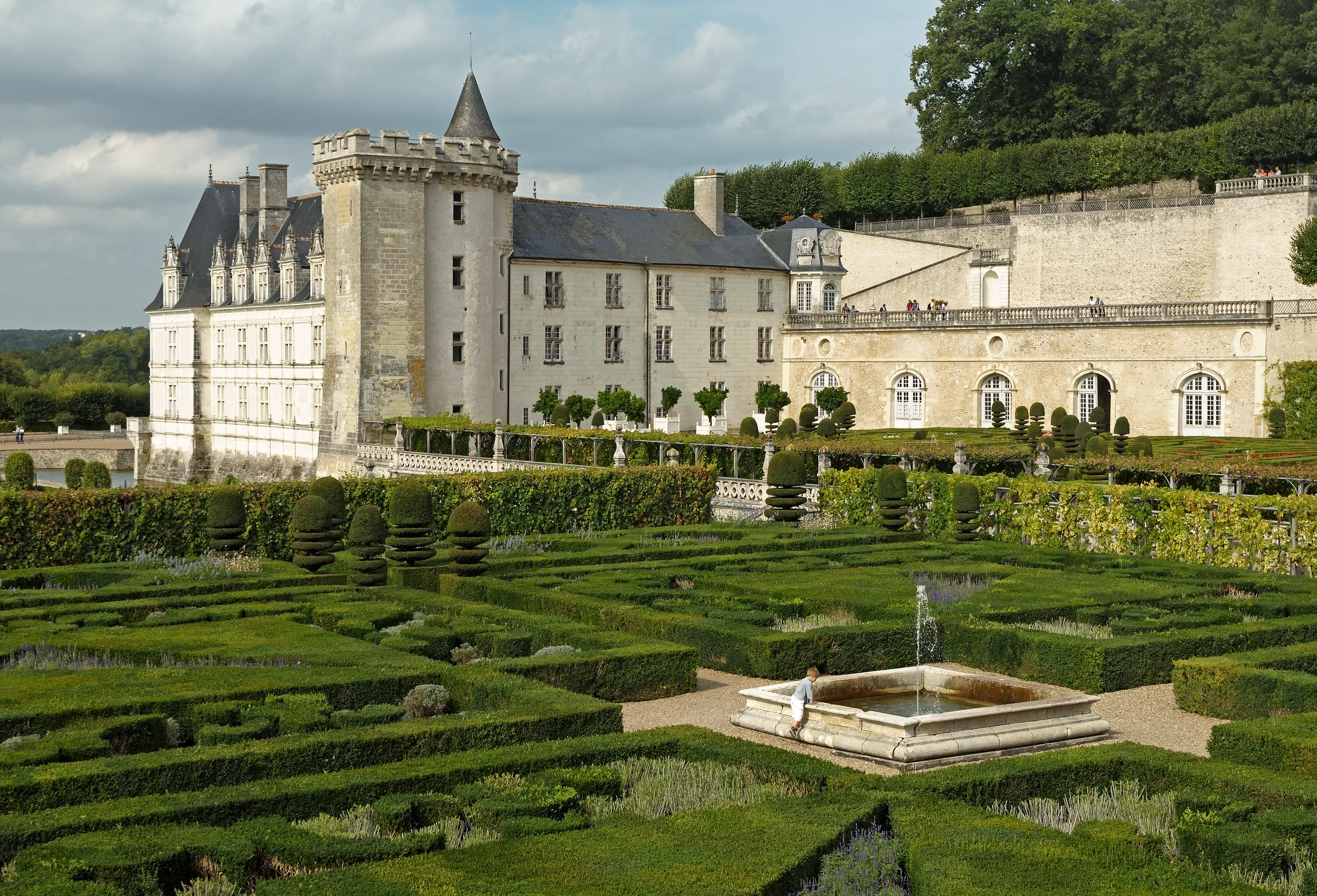
- Villandry has a patterned kitchen garden on terraces, at its best from late spring to autumn.
- Clos Lucé in Amboise is the house where Leonardo da Vinci lived, with a park displaying models of his inventions.
- The Cadre Noir in Saumur is the National Riding School, with training sessions and displays.
- ZooParc de Beauval in Saint-Aignan is one of France’s most visited zoos, with pandas. It stands right on the cycle route.
Wine tastings
The Loire Valley is one of France’s major wine regions, and many estates welcome visitors into cellars cut directly into the rock.
- Vouvray and Montlouis near Amboise produce Chenin Blanc: dry, off-dry, sweet and sparkling.
- Chinon and Bourgueil produce red wines from Cabernet Franc.
- Saumur offers sparkling wines and Crémant de Loire, as well as red Saumur-Champigny.
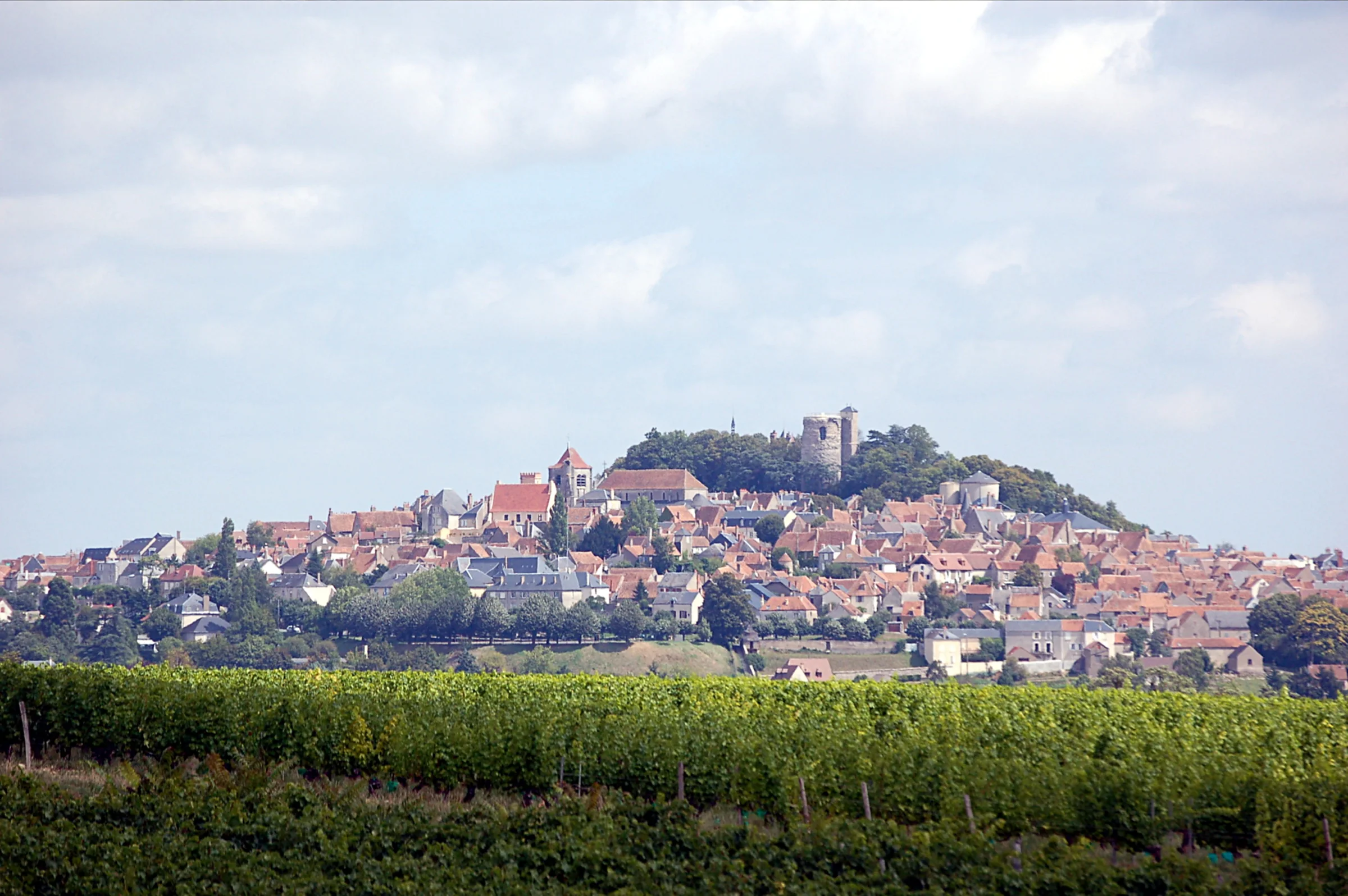
- Sancerre and Pouilly-Fumé to the east are Sauvignon Blanc territory.
Well-known estates receive visitors by appointment only: book one or two weeks ahead. For more on the wines, grapes and estates, see the article “Loire Valley wines”.
What to taste
- Rillettes de Tours: pork slow-cooked in its own fat until it falls into shreds. Served cold, on bread.
- Rillons: large pieces of pork slow-cooked until golden.
- Goat’s cheeses — Sainte-Maure-de-Touraine, with a straw running through it, Valençay, shaped like a truncated pyramid, Selles-sur-Cher, Crottin de Chavignol from Sancerre. Pair them with Sauvignon Blanc or Chenin.
- Pike-perch with beurre blanc: a river fish served with a sauce of butter, shallots and white wine, originating near Nantes.
- Button mushrooms from tuffeau caves, served stuffed or in a sauce.
- Tarte Tatin is an upside-down apple tart. It comes from this very area: Lamotte-Beuvron in Sologne, where legend has it that the Tatin sisters invented it.
- Nougat de Tours and poires tapées (dried pears): sweet treats for the road.
Where to stay
| Base | Why choose it |
|---|---|
| Tours | a large city, railway station and restaurants; 30–40 minutes from Villandry, Azay-le-Rideau and Chenonceau |
| Amboise | the château, Clos Lucé and riverside; close to Chenonceau and Vouvray |
| Blois | a château in the centre; around 20–30 minutes from Chambord and Cheverny |
| Saumur or Chinon | the western valley: fortresses, cellars and Fontevraud |
Restaurants
- L'Auberge du Bon Laboureur, Chenonceaux: a hotel and restaurant near the château, with local produce and an extensive wine list.
- La Maison d'à Côté, Montlivault, near Chambord: contemporary Loire Valley cuisine.
- L'Orangerie du Château, Blois: near Château de Blois.
How to get there from Paris
- By train: around 1 hour 15 minutes by TGV from Montparnasse to Tours; regional trains run from Austerlitz to Blois and Orléans.
- By car: two to three hours on the A10 motorway.
- Between castles and cellars, use a car, bicycle or driver with a guide: public transport is infrequent, and it is best not to drive after wine tastings.
When to go
- April to June: gardens in bloom, mild weather, and the start of the ballooning and boating season.
- July and August: everything is running, but there are lots of visitors.
- September and October: the grape harvest, autumn colours and fewer people.
- In winter, some castles have shorter opening hours, and balloon flights and boat trips rarely operate.
Frequently asked questions
What can you do in the Loire Valley besides visiting castles?
Cycle along La Loire à Vélo, take a balloon flight or boat trip, visit troglodyte caves near Saumur, Fontevraud Abbey and the gardens at Villandry and Chaumont, and enjoy cellar tastings.
Can you cycle through the Loire Valley?
Yes. La Loire à Vélo runs for around 900 km along the river and is almost flat. Blois–Amboise–Tours is the most popular section, with bike hire and luggage transfers.
Where can you take a balloon flight over the castles?
Flights run over Chenonceau, Amboise and Chambord, usually early in the morning or in the evening, from spring to autumn. Book ahead and keep a spare day in case of wind.
What should you try in the Loire Valley?
Rillettes de Tours, goat’s cheeses — Sainte-Maure, Valençay and Crottin de Chavignol — pike-perch with beurre blanc, cave-grown mushrooms and tarte Tatin, which originated here.
Where is the best place to stay?
Tours or Amboise for the central valley; Blois for easier access to Chambord and Cheverny; Saumur or Chinon for the west.
How many days do you need in the Loire Valley?
Three days for the central castles and one or two tastings. Five to seven days to include cycling, the western valley and Sancerre.
Visit the Loire
Castles, tuffeau cellars, tastings with small winegrowers and time to enjoy the valley at a leisurely pace.
→ Wine tour of the Loire Valley castles · Top 10 Loire Valley castles · Loire Valley castles: choosing where to go and getting there · Loire Valley wines