
Cognac
Six crus: Grande Champagne, Petite Champagne, Borderies, Fins Bois, Bons Bois and Bois Ordinaires. Double distillation in Charentais pot stills until 31 March.
Wine region · France
Cognac houses on the banks of the Charente, Marennes-Oléron oysters and Vauban's fortifications on the Île de Ré
Region
France's Atlantic coast between Bordeaux and Nantes: the Charente and Sèvre rivers, salt marshes, islands and oyster ponds. Inland lies Cognac, where the great houses keep their cellars along the Charente. An hour's drive away is the sea: La Rochelle, the Île de Ré and Rochefort with its royal arsenal.
This is where cognac and Pineau des Charentes are made, Marennes-Oléron oysters are raised and salt is harvested on the Île de Ré. A calm corner of France with a mild climate: cognac in the morning, oysters by the sea in the evening.
Six crus: Grande Champagne, Petite Champagne, Borderies, Fins Bois, Bons Bois and Bois Ordinaires. Double distillation in Charentais pot stills until 31 March.
Marennes-Oléron oysters are finished in claires, shallow ponds in former salt pans. Fine de Claire Verte is sold from October to May.
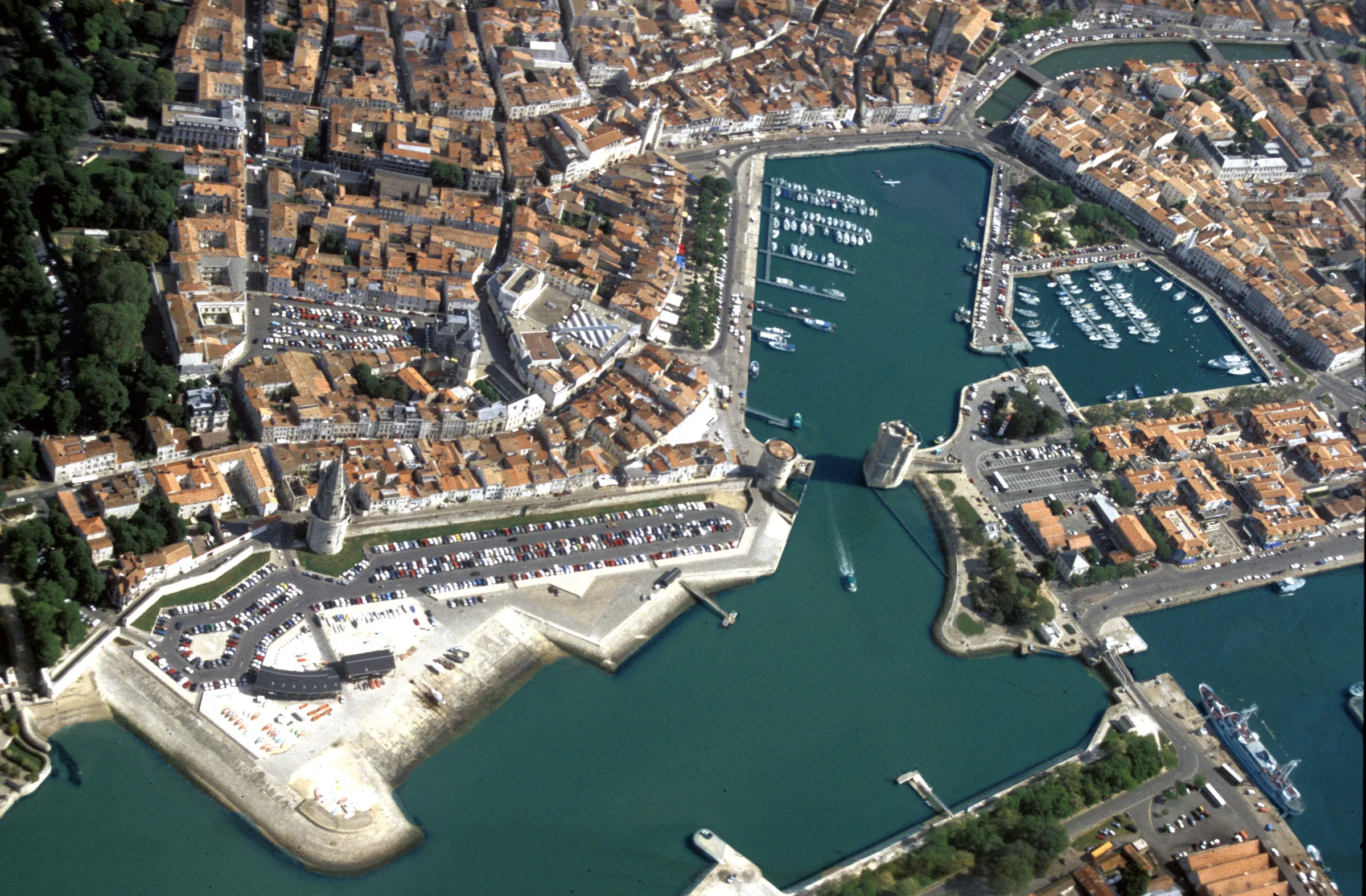
Vauban's fortifications in Saint-Martin-de-Ré (UNESCO), the walled town of Brouage and the old towers of La Rochelle's port.
Grape must blended with cognac from the same estate, an AOC since 1945. Served chilled as an aperitif.
What to see
From cognac houses to islands in the ocean: the coast's highlights on one map.
Click a marker or card: they are linked.
 Towns
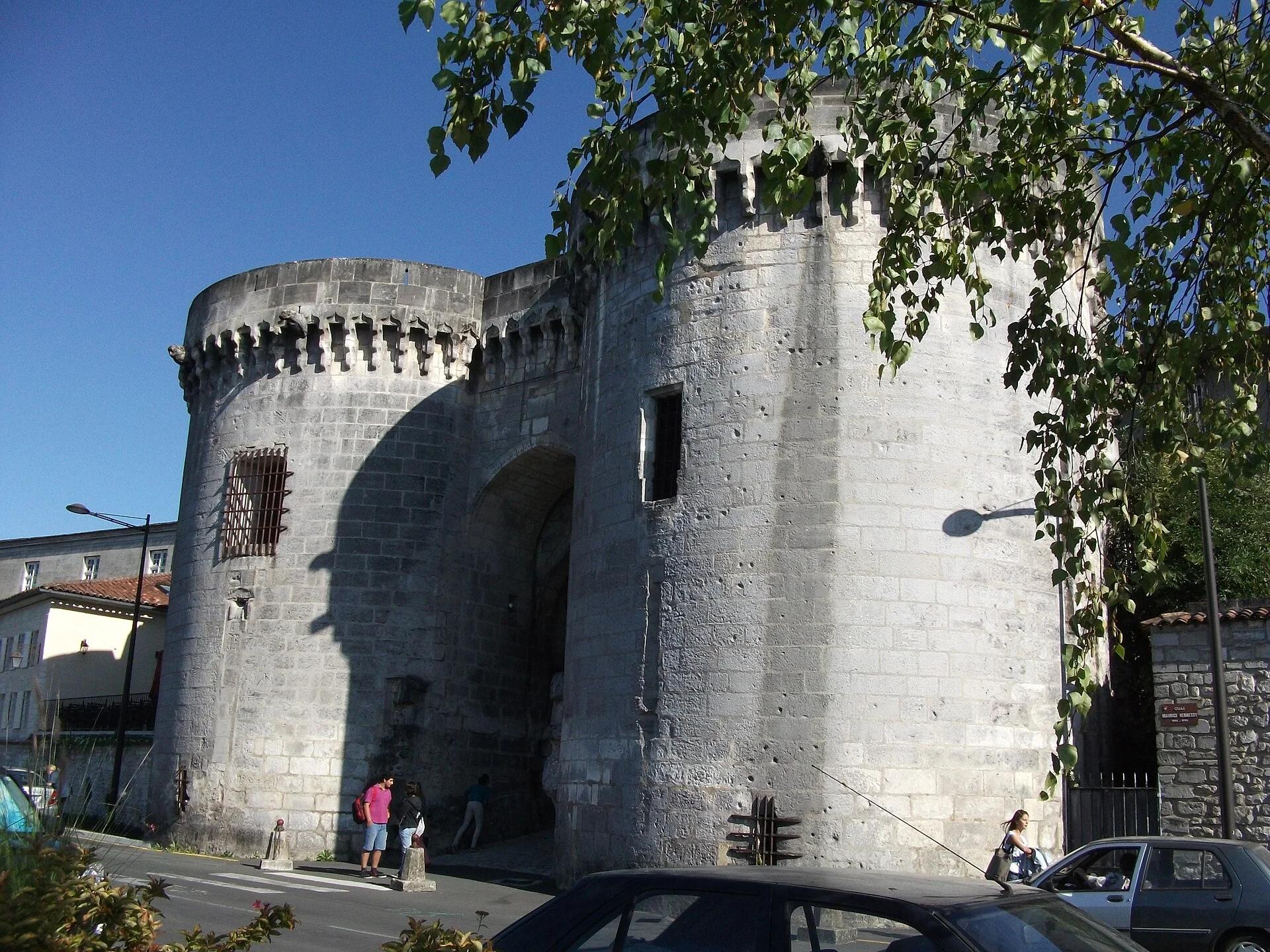
The capital of cognac on the Charente. The Château de Cognac, where Francis I was born in 1494, now belongs to the Baron Otard house.
TownsThe medieval port of Protestant La Rochelle, besieged by Richelieu in 1627–1628. Towers guard its entrance.
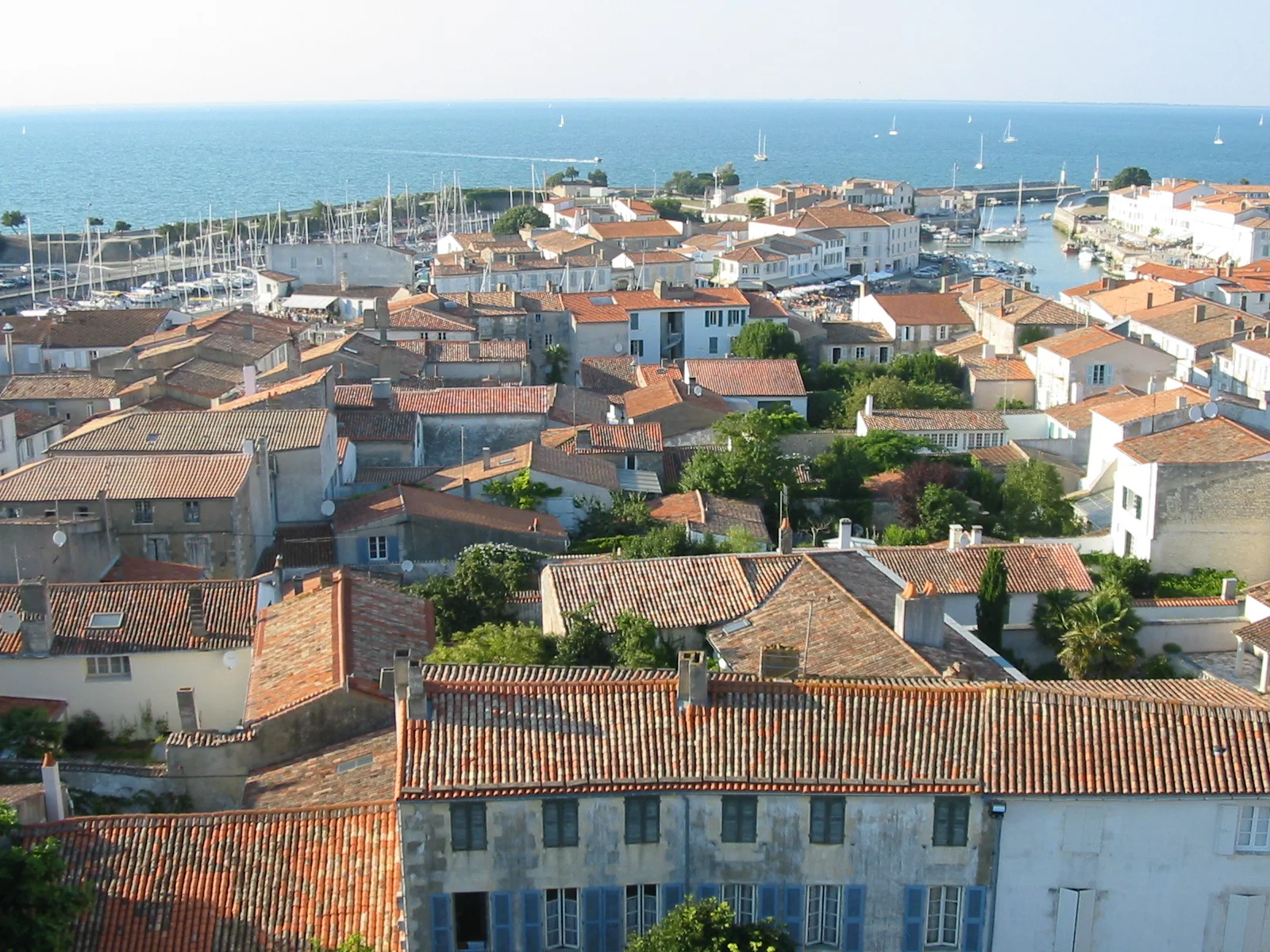
A flat island of salt pans, vineyards and white villages, linked to the mainland by a toll bridge about 3 km long.
 History
The island's main port inside Vauban's walls, about 7 km long. UNESCO-listed in 2008.
 History
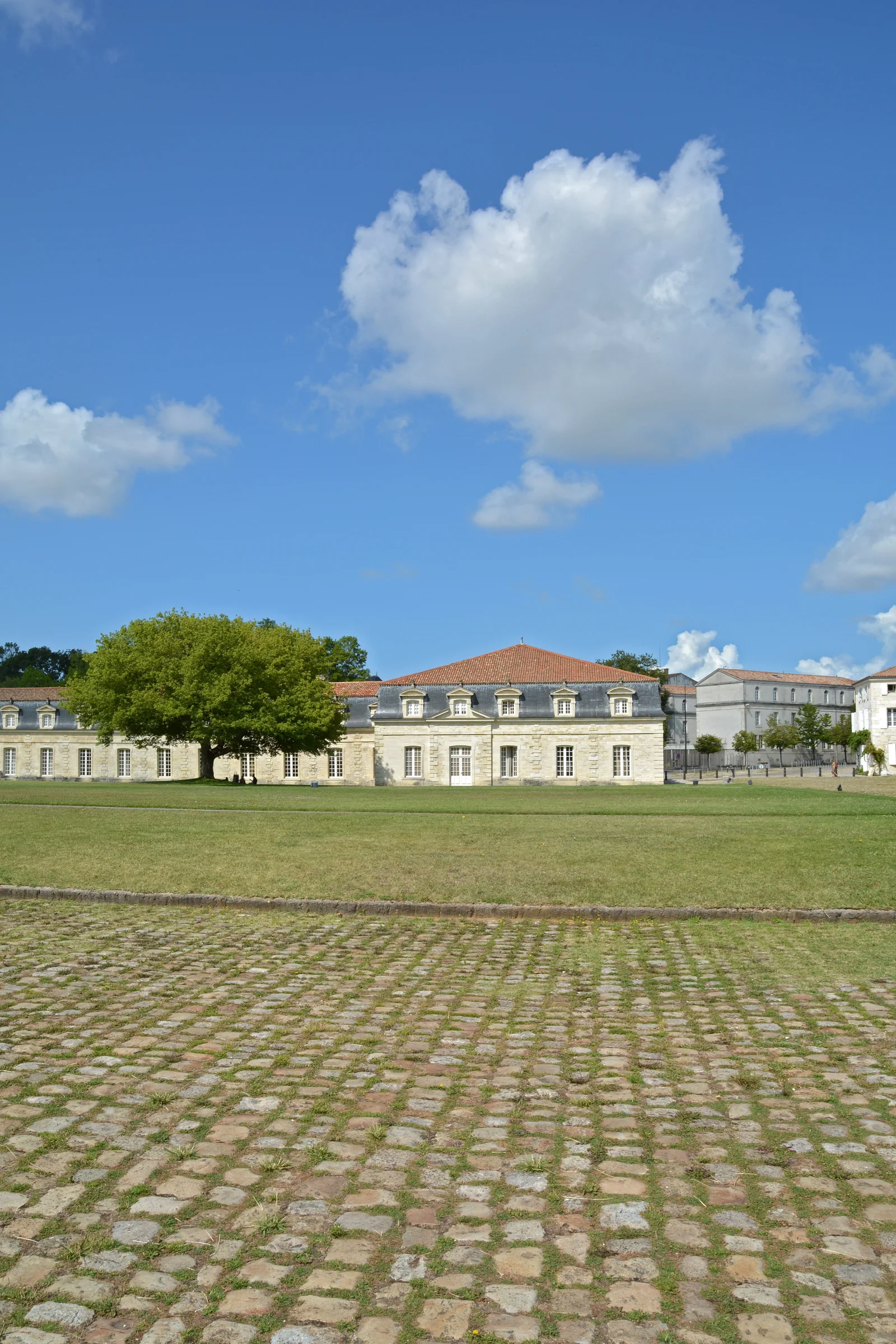
A 374 m building in the Rochefort arsenal, founded by Louis XIV in 1666. Nearly 550 warships were built there.
 History
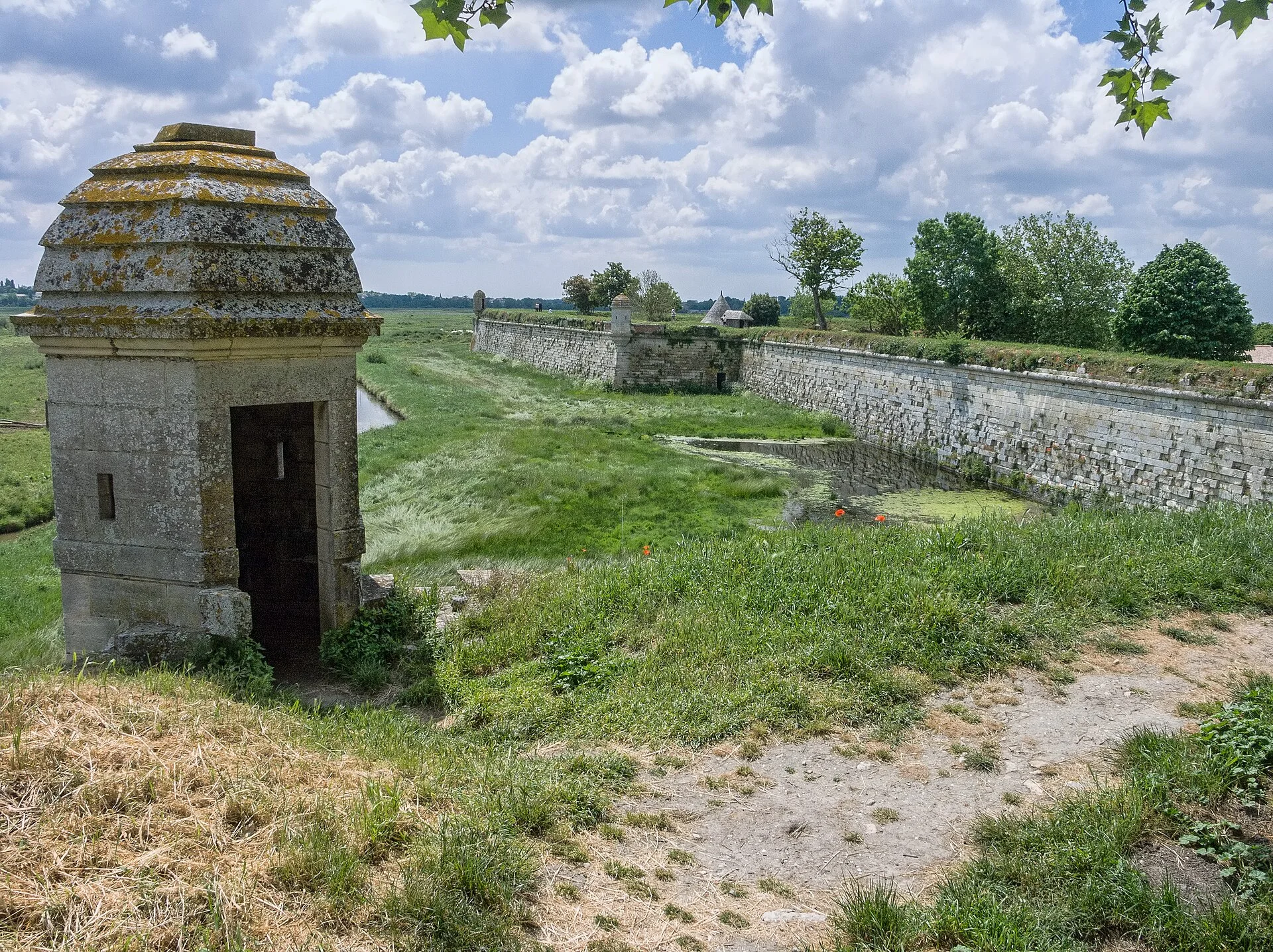
A 16th-century salt port fortified by Richelieu against La Rochelle. Samuel de Champlain, founder of Quebec, grew up here.
 Nature
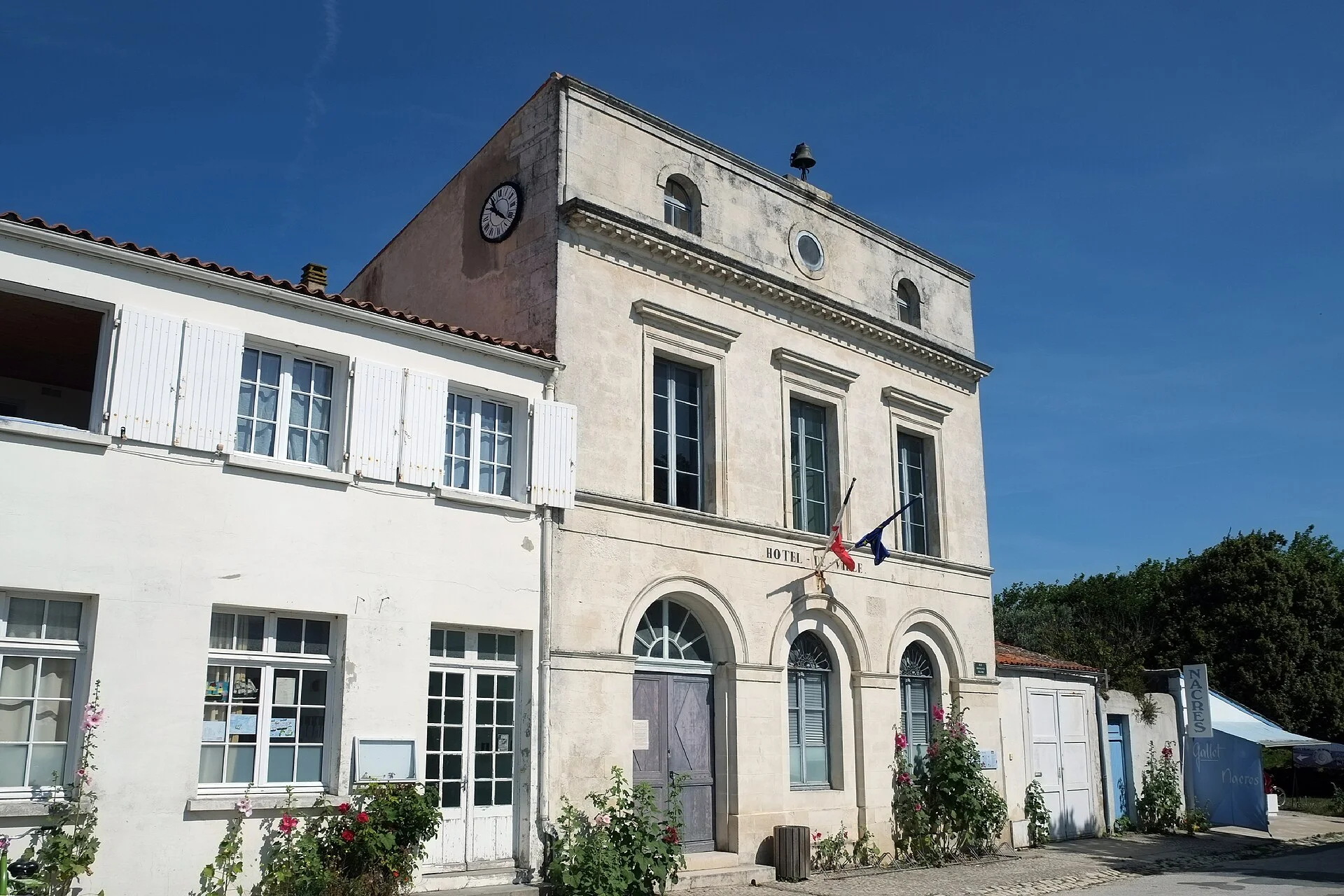
A small car-free island where Napoleon spent his last days in France in July 1815.
 Nature
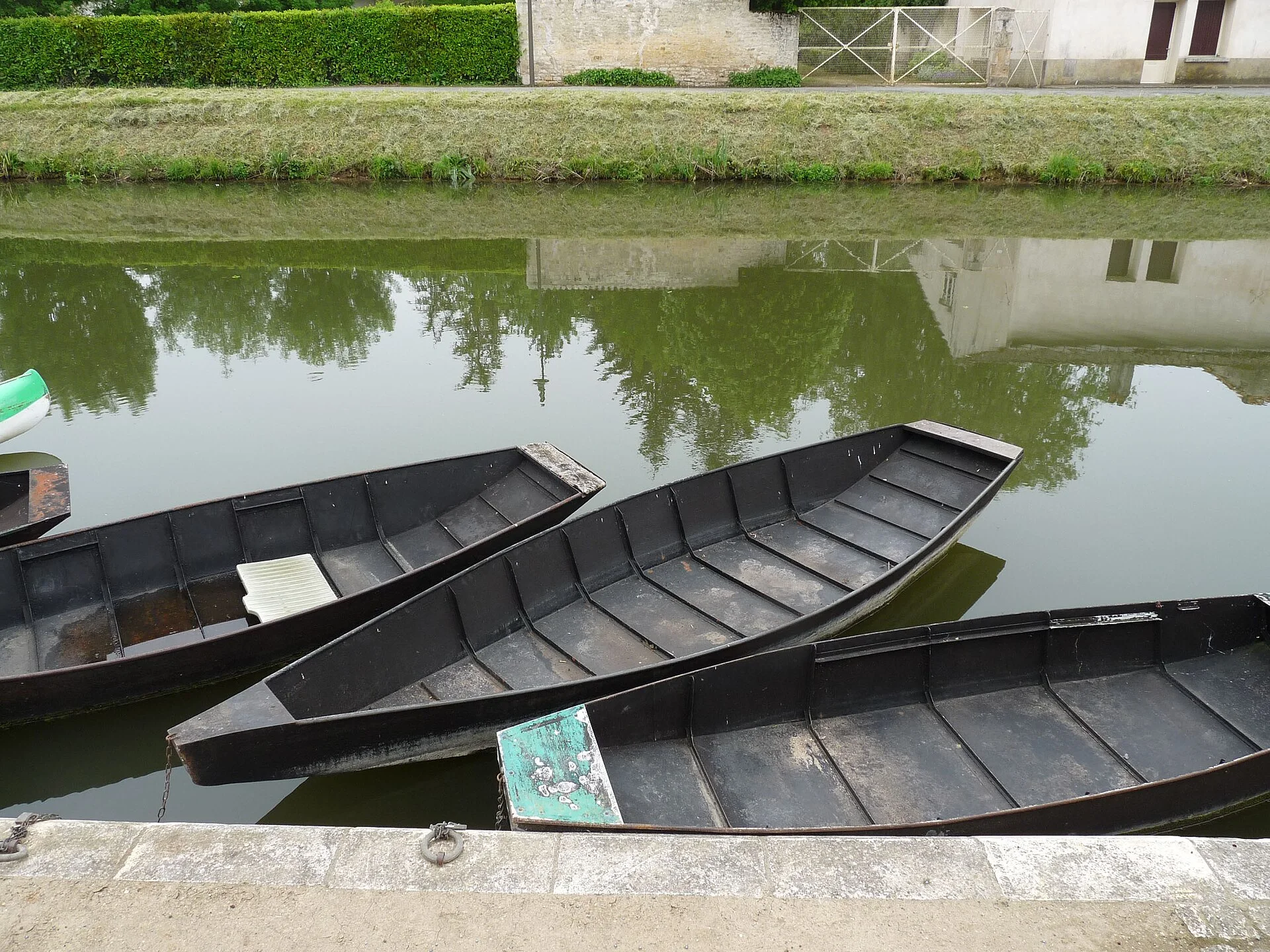
France's second-largest wetland after the Camargue, the "Green Venice": canals under the trees explored by flat-bottomed boat.
Towns and villages
From small cognac towns on the Charente to ocean ports.
Town
The cognac town: Hennessy, Martell, Rémy Martin and the Baron Otard château within walking distance.
Town
A small town on the Charente 15 km from Cognac, home of Courvoisier. Birthplace of François Mitterrand, whose house is now a museum.
Town
A hilltop town above the Charente: the 12th-century Romanesque cathedral of Saint-Pierre, ramparts with valley views and a trail of comic-strip murals. About 50 km from Cognac.
Town
An old seaport with towers and arcades. About 100 km from Cognac.
Town
Royal arsenal on the Charente, a town of straight 17th-century streets. About 77 km from Cognac.
Traditions
Cognac distilling, oysters in claires and summer festivals by the water.
Angoulême's food festival in late November and early December: producers, chefs on stage, contests and a gala dinner.
From harvest to 31 March the stills run across the Charente: by law cognac may only be distilled in these months.
Oysters are finished in shallow ponds in former salt pans. A green alga gives the Fine de Claire Verte its colour.
Francofolies in La Rochelle in July, Cognac Blues Passions in Cognac and Jarnac in early July, Coup de Chauffe street arts in Cognac in September.
Food
Cooking between ocean and vineyards: oysters, mussels, butter and cognac.
Producers
Cognac houses and a salt marsh you can visit.
Cognac house
Historic cellars on the Cognac quays, with a crossing of the Charente.
Cognac house
Historic house in Cognac and the Merpins estate, toured by little train (April–September).
Cognac house
Cellars on the Charente in Jarnac, with a VSOP and XO tasting.
Cognac house
Cellars in the Château de Cognac, birthplace of Francis I.
Salt marsh
Exhibition and guided walk through a working salt marsh on the Île de Ré.
What to bring home
Cognac from the houses' shops, Île de Ré salt and Angoulême chocolates.
Wine
VS, VSOP and XO straight from the houses.
Tip: House shops sell editions you will not find elsewhere.
House shops in Cognac and Jarnac
Wine
Aperitif of must and cognac.
Estates, wine shops
Food
IGP salt from the salt workers' cooperative.
Salt pans and island markets
Food
Appellation butter.
Tip: Only for a short trip, in a cool bag.
Markets, dairies
Food
Daisy-shaped chocolates.
Letuffe chocolate shop in Angoulême
Crafts
Slippers stitched inside out by the traditional method, with a geographical indication.
Charente workshops
Where to stay
Former cognac warehouses, a château by the Charente and hotels facing the sea.
Cognac
Cognac's first five-star hotel, in cognac warehouses from 1838.
Châteaubernard
A 19th-century château near the Charente, a few minutes from Cognac.
Saint-Martin-de-Ré
A 17th-century shipowner's house on the harbour quay, Relais & Châteaux.
La Rochelle
The former 17th-century mint, a few minutes from the Old Port.
La Rochelle
Hotel on the Richelieu sea wall with sea-view balconies.
Route Examples
A self-drive route: cognac, fortresses and islands.
Morning at a cognac house on the quays and the Château de Cognac (Baron Otard). In the afternoon Jarnac, 15 km away: Courvoisier cellars and Mitterrand's house. Night in Cognac.
Royal Ropeworks and the maritime museum in Rochefort, a walk on the ramparts of Brouage, oysters in the Marennes basin. Evening in La Rochelle.
Morning at the Old Port towers, then the bridge to Ré: Saint-Martin's walls and harbour, the Loix salt pans (March–October).
I will plan your trip to the coast for your dates: cognac, oysters and islands.
Find a tourExperiences
Cognac cellars, oysters by the sea and islands.
Tasting VS, VSOP and XO, and how cognac ages in casks.
Fines and Spéciales de Claire straight from the oyster huts of Marennes.
Salt pans, white villages and Vauban's walls.
Arsenal, Royal Ropeworks and maritime museum.
Angoulême's food festival in late November.
The fort in the open sea is seen from cruise boats and from the Île d'Aix.
FAQ
Answers to common questions about a trip to the coast.
From May to September all visits run, including the Ré salt pans and the Rémy Martin train. Winter is the season for oysters and cognac distilling, and in late November Angoulême holds the Gastronomades.
TGV from Montparnasse: about 1 h 45 to Angoulême and 2 h 35 to La Rochelle. Between Cognac, Rochefort and La Rochelle a car is more practical.
It is better to book on the house's website: tours run on a schedule and not every day out of season.
You only pay on the way in: €4 from mid-November to early March, €8 in spring and autumn, €16 in summer.
No, the fort can only be seen from the water, by boat, or from the Île d'Aix.
Art Wine Guide
Tell me when you want to travel, and I will plan a route through cognac houses, oyster huts and islands.
Photos: Wikimedia Commons: La Rochelle, Jacques Dassié, CC BY-SA 4.0; Saint-Martin-de-Ré, Brice, CC BY-SA 3.0; Cognac, Rslr22, CC BY-SA 4.0; Marais poitevin, Ji-Elle, CC BY-SA 3.0; Rochefort, Pline, CC BY-SA 3.0; Brouage, Jean-Christophe Benoist, CC BY 2.5; Île d'Aix, Patrick Despoix, CC BY-SA 4.0