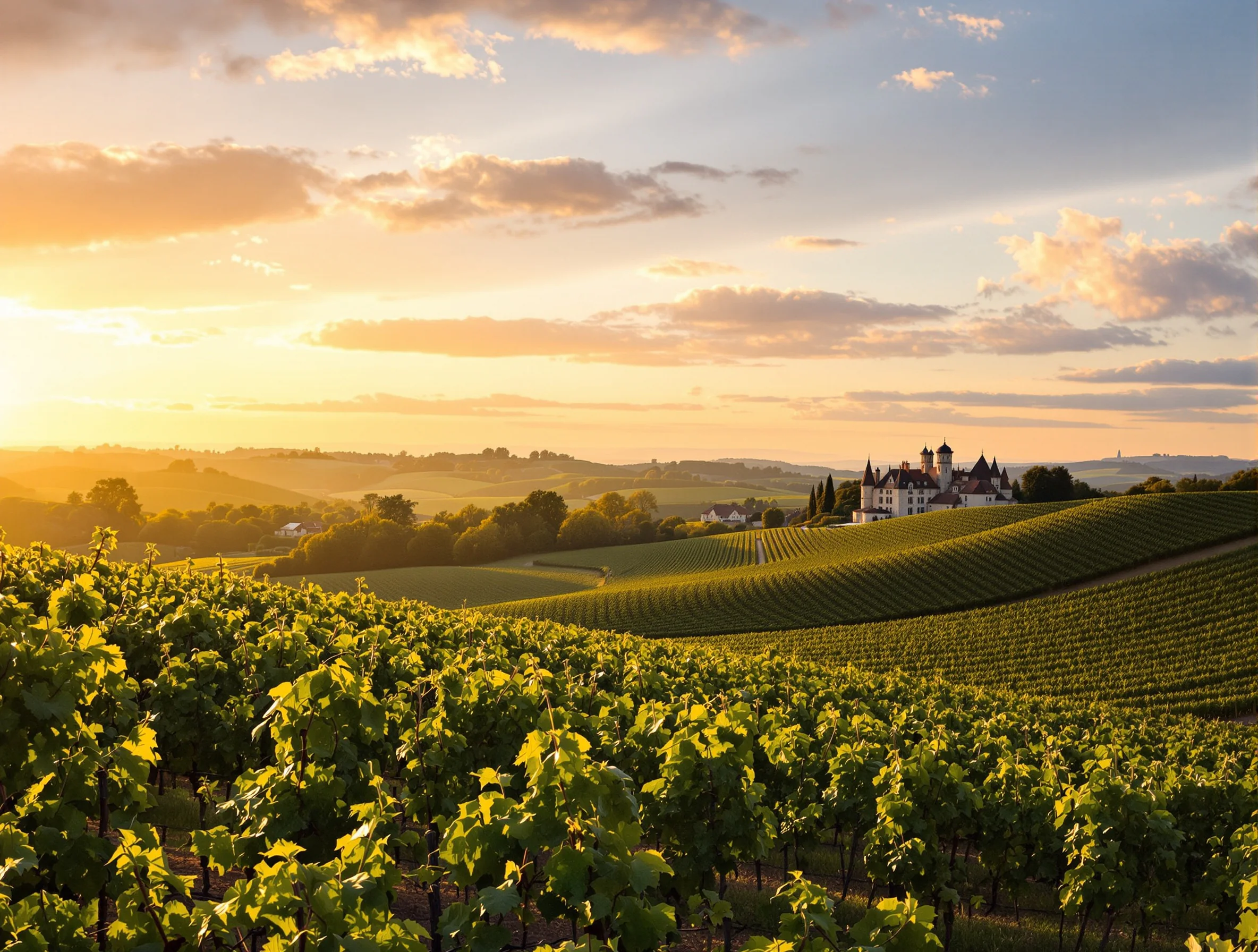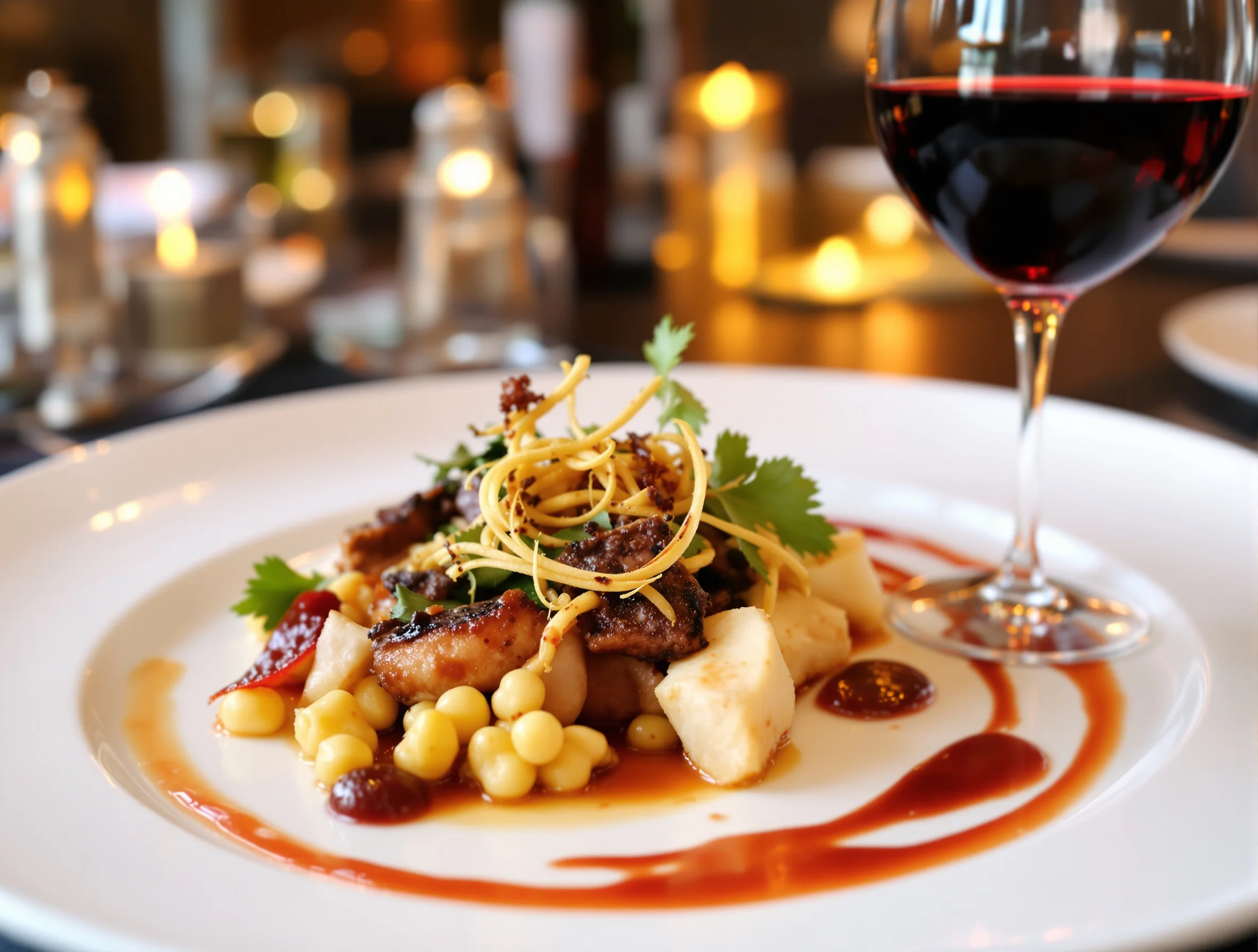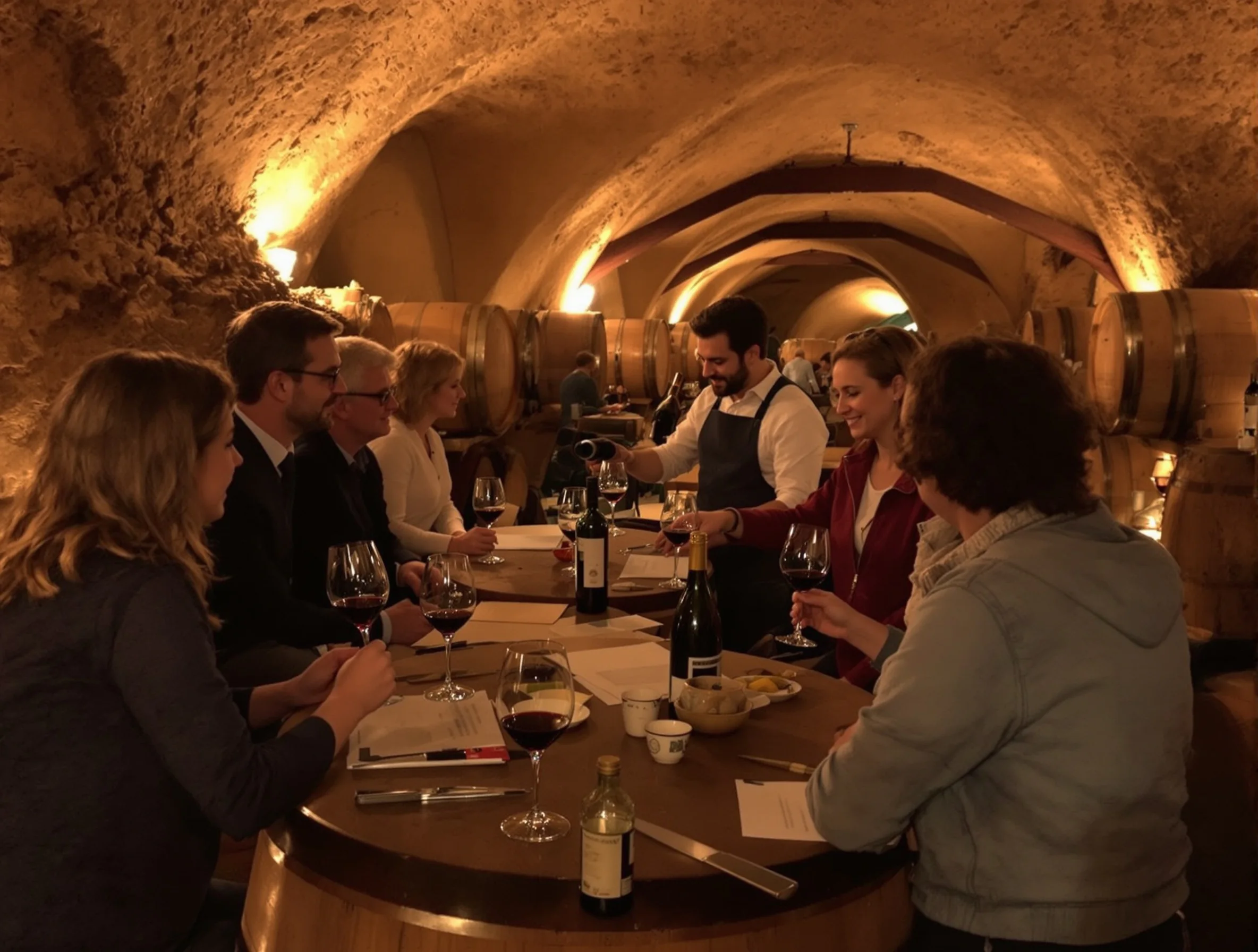
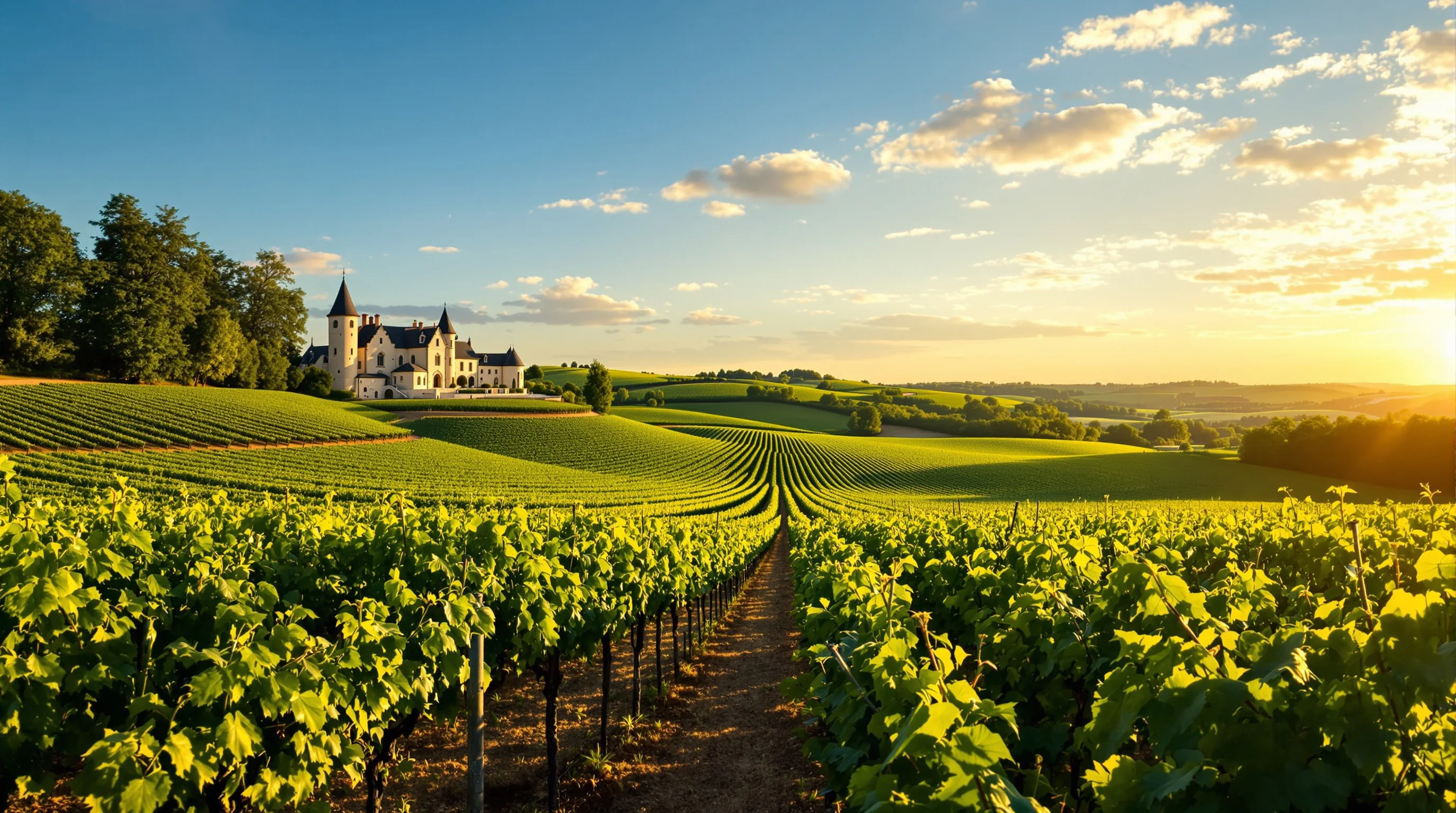

France is more than a country rich in history and culture: it is a paradise for food lovers and wine enthusiasts. Gastronomic tourism offers a unique immersion in refined flavours, traditional recipes and legendary wineries. From Bordeaux to Burgundy and Champagne to Provence, every region reveals its culinary secrets and wine traditions.
In this article, we explain why food tours in France are becoming increasingly popular, which regions to visit and how to plan the ideal trip for true lovers of French food and wine.
What is gastronomic tourism?
Gastronomic tourism is travel primarily aimed at discovering local cuisine, produce and culinary traditions. More than restaurant visits, it is full immersion in a region's food culture: markets, farms, wineries, classes and tastings.
In France, food tourism is closely linked to wine tourism, or enotourism, because French cuisine and wine are inseparable. Every dish has its ideal wine pairing, and every region takes pride in its unique produce and wines.
Why is France the best destination for gastronomic tourism?
France is rightly considered the world's gastronomic capital. French cuisine is on UNESCO's Intangible Cultural Heritage list, and French wines are known worldwide. Here are several reasons France is ideal for a food journey:
- Regional diversity: Every French region has its own cuisine and wine traditions. From Brittany’s seafood to Périgord truffles, Arcachon oysters and Savoie cheeses.
- World-class wine regions: Bordeaux, Burgundy, Champagne, Loire Valley, Provence and Rhône Valley: names familiar to every wine lover.
- Michelin-starred restaurants: France has more Michelin-starred restaurants than any other country.
- Food culture: In France, food is an art and an important part of social life, rather than simply a necessity.
- Accessibility: Well-developed infrastructure, excellent roads and varied accommodation make French food tours comfortable and accessible.
France’s main wine regions for gastronomic tourism
Each French wine region offers unique food experiences as well as wine tastings. Here are the most popular destinations:
1Bordeaux
Bordeaux is synonymous with elegance and prestige in wine. The region is known for Cabernet Sauvignon- and Merlot-based reds and sweet Sauternes whites.
What to taste:
- Wines from the Médoc, Saint-Émilion and Pomerol appellations
- Oysters from Arcachon Bay
- Canelés: Bordeaux's traditional dessert
- Entrecôte à la bordelaise
Suggested itinerary: Visit famous châteaux, taste wines in cellars, lunch overlooking vineyards and explore Bordeaux's Cité du Vin wine museum.
2Burgundy (Bourgogne)
Burgundy is a region where winemaking is an art. Some of the world's most expensive and prestigious wines are made here from Pinot Noir and Chardonnay.
What to taste:
- Côte d’Or wines: Gevrey-Chambertin, Vosne-Romanée, Chablis
- Burgundy snails (escargots de Bourgogne)
- Boeuf bourguignon
- Époisses and Comté cheeses
- Dijon mustard
Suggested itinerary: The Burgundy Wine Route, Route des Grands Crus, visits to family wineries, lunch in a traditional bistro and the Hospices de Beaune.
3Champagne
Champagne is the only region in the world producing genuine Champagne. Visiting means discovering sparkling wine production secrets and famous Champagne houses.
What to taste:
- Champagne from famous houses: Moët & Chandon, Veuve Clicquot, Dom Pérignon, Taittinger
- Pink Reims biscuits (biscuits roses de Reims)
- Champagne from small grower-producers (récoltant-manipulant)
Suggested itinerary: Cellar visits in Reims and Épernay, tastings at major houses and small growers, and a visit to Reims Cathedral.
4Loire Valley (Val de Loire)
The Loire Valley is known for châteaux and diverse wines — from fresh Sancerre and Pouilly-Fumé whites to sparkling Crémant de Loire and sweet Coteaux du Layon.
What to taste:
- Sauvignon Blanc whites from Sancerre and Pouilly-Fumé
- Cabernet Franc reds from Chinon and Bourgueil
- Crottin de Chavignol goat’s cheese
- Rillettes — a pork spread
- Tarte Tatin: upside-down apple tart
Suggested itinerary: Loire château visits with wine tastings, lunch in a château and winery visits in Sancerre.
5Provence
Provence means sunshine, lavender and rosé. It produces around 40% of all French rosé and is famous for Mediterranean cuisine.
What to taste:
- Rosés from Côtes de Provence
- Bouillabaisse: Marseille's traditional fish soup
- Ratatouille — vegetable stew
- Tapenade: olive paste
- Herbes de Provence and olive oil
Suggested itinerary: The Provence Wine Route, wineries overlooking lavender fields, lunch on a sea-view terrace and markets in Aix-en-Provence.
Culinary experiences in France
French gastronomic tourism is more than wine. Here are other experiences awaiting you:
Michelin-starred restaurants
France is the birthplace of the Michelin Guide and has more starred restaurants than anywhere else. From three-star temples of gastronomy to cosy one-star bistros, there is something for everyone.
Tip: Book tables ahead, especially in popular restaurants. Some require reservations several months in advance.
Cooking classes
Many wineries and restaurants offer cooking workshops, where you can learn to make traditional French dishes and pair them correctly with wine.
Popular themes: making macarons, croissants, cheeses and regional dishes, and wine tastings with a sommelier.
Markets and farms
French markets are a pleasure in their own right. Buy the freshest produce, taste local delicacies and talk with producers.
Do not miss Provence's markets in Aix-en-Provence and L'Isle-sur-la-Sorgue, winter truffle markets in Périgord and oyster farms in Arcachon.
How to plan a gastronomic tour of France
Best time to travel
Vineyards in bloom, fresh market produce and comfortable weather.
Peak tourist season, with many festivals, but potentially hot and crowded.
Harvest season, or vendanges: ideal for wine tours, with beautiful scenery.
Fewer tourists, truffle season and Christmas markets, though some wineries may close.
Budget
The cost of a food tour depends on comfort level and choice of restaurants and wineries:
Guesthouse accommodation, bistro lunches and visits to small wineries.
3–4-star hotels, mid-range restaurants and organised wine tours.
Luxury hotels, Michelin-starred restaurants and private tours of prestigious châteaux.
Practical tips for food tourism in France
Popular restaurants and wineries require advance reservations, especially in high season.
Many wineries and restaurants are in the countryside, making a car essential. Organised tours with a driver are an alternative.
Not everyone in rural regions speaks English, so a few French phrases are useful.
French dining culture is leisurely. Lunch lasting 2–3 hours is perfectly normal.
Every region has unique produce and dishes: do not be afraid to experiment.
Many wineries sell wines for less than shops do. Home delivery can be arranged.
A professional guide helps choose the finest wineries, explains the wines and arranges meetings with winemakers.
Conclusion
Food tourism in France is an unforgettable journey through flavours, aromas and traditions. Each region offers unique experiences, from prestigious Bordeaux châteaux to family wineries in Burgundy, Michelin-starred restaurants to village markets.
When planning a food tour, consider the season, budget and your preferences. Whether you travel independently or join an organized tour, France offers unforgettable experiences and reveals new facets of French culture.
Bon voyage et bon appétit!