

At a glance. Calvados is apple brandy from Normandy. It is distilled from apple cider, sometimes with pears, and aged in oak for at least two years. It has at least 40% alcohol. Longer ageing makes it softer and more complex: Fine from two years, VSOP from four, XO from six. Genuine Calvados is made only in Normandy and neighbouring areas under three appellations’ rules.
What is it made from?
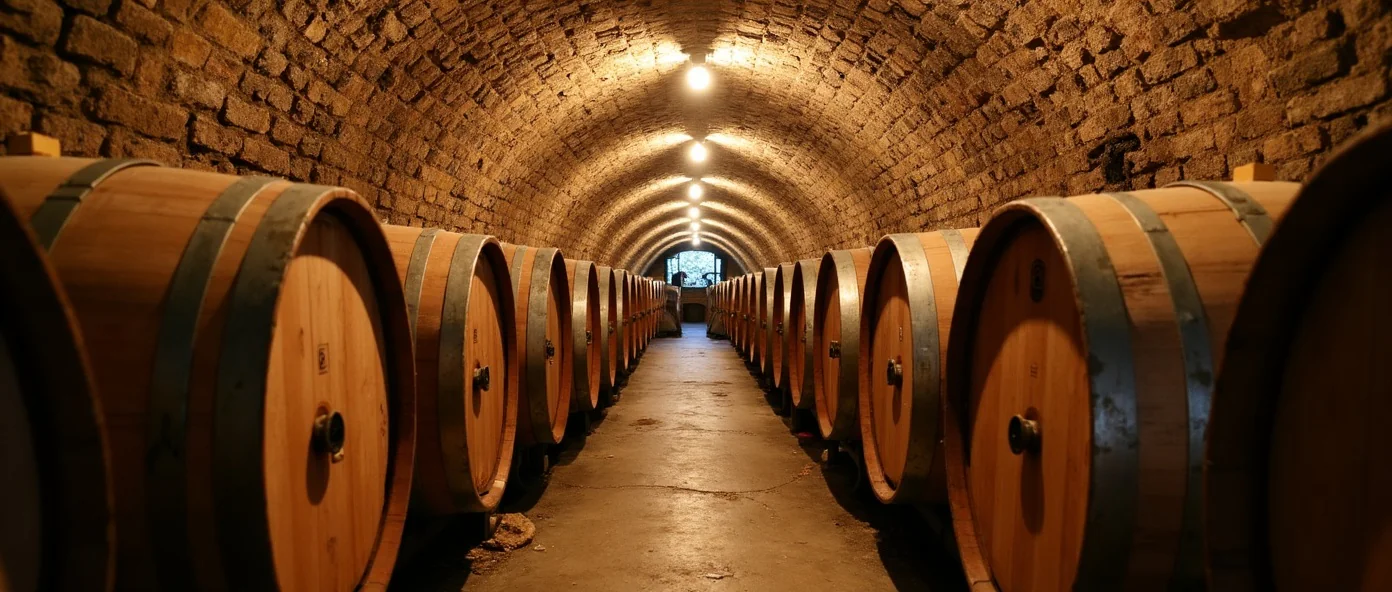
Everything starts with cider. Cider apples are not eating apples: they can be bitter, sweet-sharp or astringent. Their juice ferments into cider, which is distilled into strong spirit. The fresh distillate is colourless. Oak gives it colour, vanilla, nuts and baked-apple aromas.
Put simply, Cognac comes from grapes, Calvados from apples. Both are brandies aged in oak.
Homemade “Calvados” from internet recipes is apple moonshine. Only a Normandy spirit made under the appellation rules may be called Calvados.
Three appellations
| Appellation | Features |
|---|---|
| Calvados | Largest, over 70% of production; column or copper pot distillation; at least two years’ ageing |
| Calvados Pays d’Auge | Cheese-and-cider country in central Normandy; only double distillation in a copper pot still, like Cognac; at least two years; most aromatic and complex style |
| Calvados Domfrontais | Southern Normandy, pear country; at least 30% pears, column distillation, at least three years; fresher with pear notes |
Fine, VSOP and XO
The age on the label is that of the youngest spirit in the blend.
| Label | Minimum oak ageing |
|---|---|
| Fine, Trois étoiles, three stars, Trois pommes, three apples | 2 years |
| Vieux, Réserve | 3 years |
| VSOP, VO, Vieille Réserve | 4 years |
| XO, Extra, Napoléon, Hors d’Âge, Très Vieille Réserve | 6 years |
Vintage Calvados comes from one year’s spirit. In practice, XO and Hors d’Âge often age much longer than six years.
What does it taste like?
- Young, Fine: fresh apple, pear and flowers, bright and slightly sharp; used for cocktails and cooking.
- Middle-aged, VSOP: baked apple, vanilla and caramel, softer.
- Mature, XO or Hors d’Âge: dried fruit, nuts, toffee, spices and wood; sip slowly like good Cognac.
How Normandy drinks it
- Digestif: after dinner, in a tulip glass at room temperature, without ice, which masks aroma.
- Trou normand, “Norman hole”: a small young Calvados midway through a long lunch to “make room” for the next dishes. Today often replaced by apple sorbet with Calvados.
- With coffee: the Norman way, in a little cup after coffee or alongside it.
- Cocktails and tonic: young Calvados.
- Cooking: sauces for chicken and pork, flambéing and apple pie.
Mature Calvados goes with dark chocolate, nuts or a cigar; young Calvados with Camembert, Livarot, Pont-l’Évêque and apple tart.
Cider, Pommeau and Calvados: one family
- Cider: a low-alcohol apple drink, the base for Calvados.
- Pommeau de Normandie: Calvados mixed with apple juice and aged in oak, an aperitif around 17%.
- Calvados: strong brandy from distilled cider.
You can try all three during one Normandy farm visit.
A little history
Apples have grown in Normandy since the Middle Ages, and people drank cider instead of wine because grapes failed to ripen in the cool climate. The first known reference to cider distillation appears in nobleman Gilles de Gouberville’s diary in 1553. Local peasants drank it first; later, it became popular throughout France.
The name comes from the Calvados département, created after the Revolution. The département’s name has uncertain origins. A popular legend links it to the Spanish Armada ship El Salvador, wrecked here in 1588, but historians doubt this and favour a name for coastal rocks.
In the 20th century, Calvados gained a protected name, later three appellations with different rules. Hundreds of farms and several large houses make it today.
Hundreds of cider apples
Normandy grows over 200 varieties, divided into four groups:
| Group | Flavour | Contribution |
|---|---|---|
| Sweet | High sugar, low acidity | Alcohol and softness |
| Bittersweet | Sugar and tannins | Body and structure |
| Bitter | High tannins | Astringency and longevity |
| Sharp | High acidity | Freshness and aroma |
Calvados orchards often have old, tall trees with cows grazing underneath. These are pré-vergers, or pasture orchards. Apples are not picked from trees but gathered after falling naturally, from September to December.
How Calvados is made
- Cider: crushed apples, several weeks of fermentation, dry cider around 5–6%. Before distillation it must rest at least a month, six weeks in Pays d’Auge.
- Distillation: once in a column or twice in a copper pot still like Cognac. The colourless spirit is around 70%.
- Ageing: years in oak casks, from large old barrels to small ones. The spirit turns amber and develops vanilla, caramel and spice.
- Blending: the master blends years and barrels, gradually adding water to reach 40–45%.
The trou normand
This old tradition punctuates long Norman meals: a small glass of young Calvados to “make room”. Restaurants today more often serve apple sorbet topped with Calvados, a refreshing pause between fish and meat. If you see it on the menu, try it.
In the kitchen
- Poulet vallée d’Auge: chicken with apples, mushrooms, cream and Calvados.
- Pork with apples and cider sauce.
- Norman apple tart, with custard, flambéed with Calvados.
- Crêpes flambéed with Calvados.
- Camembert baked with Calvados, an easy starter.
Use young Fine for cooking; mature Calvados would be a waste.
Choosing and prices
| Calvados | Use | Price in France |
|---|---|---|
| Fine, Calvados | Cocktails, cooking, trou normand | €20–30 |
| VSOP | Introduction, digestif | €30–45 |
| XO, Hors d’Âge | Slow sipping, gift | €50–100 |
| Pays d’Auge VSOP or XO | Most aromatic style | €40–90 |
| Domfrontais | Fresh pear character | €35–60 |
| Vintage | Gift, collection | From €80 |
Buy from the producer when possible: Pays d’Auge farms have lower prices and a wider choice of old bottles.
Where to taste it
- Pays d’Auge: the Cider Route, farms, pot-still distilleries and Calvados museum.
- Honfleur and Deauville: shops and bars with dozens of Calvados.
- Domfront: pear orchards and perry.
- Apple festivals: in October and November in Pays d’Auge villages.
See “Honfleur”, or compare another French brandy in “What is Armagnac?”.
Calvados, Cognac and Armagnac compared
| Calvados | Cognac | Armagnac | |
|---|---|---|---|
| Ingredients | Apples and pears, cider | Grapes, white wine | Grapes, white wine |
| Origin | Normandy | Charente | Gascony |
| Distillation | Column or twice in pot still | Twice in pot still | Usually once in column |
| Minimum ageing | 2 years | 2 years | 1–2 years |
| Aromas | Apple, pear, vanilla, caramel | Flowers, dried fruit, vanilla | Prune, spices, dried fruit |
| Serving | Digestif, trou normand, cocktails | Digestif, cocktails | Digestif |
If you like Cognac but want something new, begin with Pays d’Auge VSOP: double pot distillation makes it closest to Cognac’s style.
Tasting Calvados
- Use a small tulip. A broad brandy snifter mainly brings out alcohol.
- Pour 20–30 ml and wait five minutes.
- Smell without pushing your nose deep inside: fresh apples and pears first, then vanilla, caramel and spice.
- Take a small sip, holding it briefly in your mouth. The first always seems strong; the second reveals more flavour.
- Compare young and mature: Fine versus XO is like fresh apple versus apple baked with cinnamon.
Cocktails
- Calvados and tonic: young Calvados, tonic, ice and an apple slice, a light summer aperitif popular in Normandy bars.
- Jack Rose: classic apple brandy, grenadine and lemon juice.
- Calvados sour: Calvados, lemon juice, sugar syrup and egg white.
- Norman kir: cider and blackcurrant liqueur; no Calvados, but the same family of drinks.
With Normandy cheeses
Normandy is cheese country as well as apple country, and they are served together. Camembert, Livarot and Pont-l’Évêque suit young Calvados or cider: apple freshness refreshes after creamy, pungent cheese. Mature XO works better with aged hard cheese and dark chocolate. Normans joke that Camembert without cider or Calvados is like bread without butter. At a Pays d’Auge farm, ask for cheese, Pommeau, cider and a small Calvados: the best half-hour tasting of the region.
Bringing Calvados home
It makes an excellent Normandy gift. At a farm, taste different ages and ask for advice. Pays d’Auge VSOP or a birth-year bottle works well. Wrap bottles in clothes in checked luggage or buy protective packaging at the farm; liquids above 100 ml will not pass in hand luggage. Check your country’s alcohol allowances before travelling, usually one to two litres of spirits per person duty-free. Add cider and Pommeau to give the recipient Normandy’s entire apple family.
Common mistakes
- Ice in mature Calvados.
- Confusing homemade apple infusions with Calvados.
- Cooking with expensive XO.
- Warming the glass over a candle. Aroma disappears.
- Not trying Pommeau and cider alongside.
Frequently asked questions
What is Calvados?
Norman apple brandy: distilled cider aged in oak for at least two years.
How strong is it?
At least 40%, usually 40–42%, sometimes higher for mature examples.
How does it differ from Cognac?
Cognac uses grapes from the Cognac area; Calvados uses Normandy apples and pears. Both age in oak.
What do VSOP and XO mean?
VSOP means at least four years of ageing; XO means at least six years. This is the age of the youngest spirit in the bottle.
How should I drink it?
Drink mature Calvados as a digestif in a tulip glass, without ice. Young Calvados can be drunk in cocktails, with tonic or midway through lunch, following the Norman tradition.
Can I make Calvados at home?
You can make apple spirit. Only Normandy spirit complying with the appellation rules may be called Calvados.
Which apples are used?
Sweet, bittersweet, bitter and sharp cider apples; Normandy has over 200 varieties.
What is the trou normand?
A small young Calvados or apple sorbet with Calvados during a long meal, to “make room” for the next dishes.
Taste it where it is made
Our Normandy food tour visits the Pays d’Auge: cider farms, copper stills, Fine, VSOP and XO tastings, and a cellar of Hors d’Âge. → Normandy food tour · Normandy region