
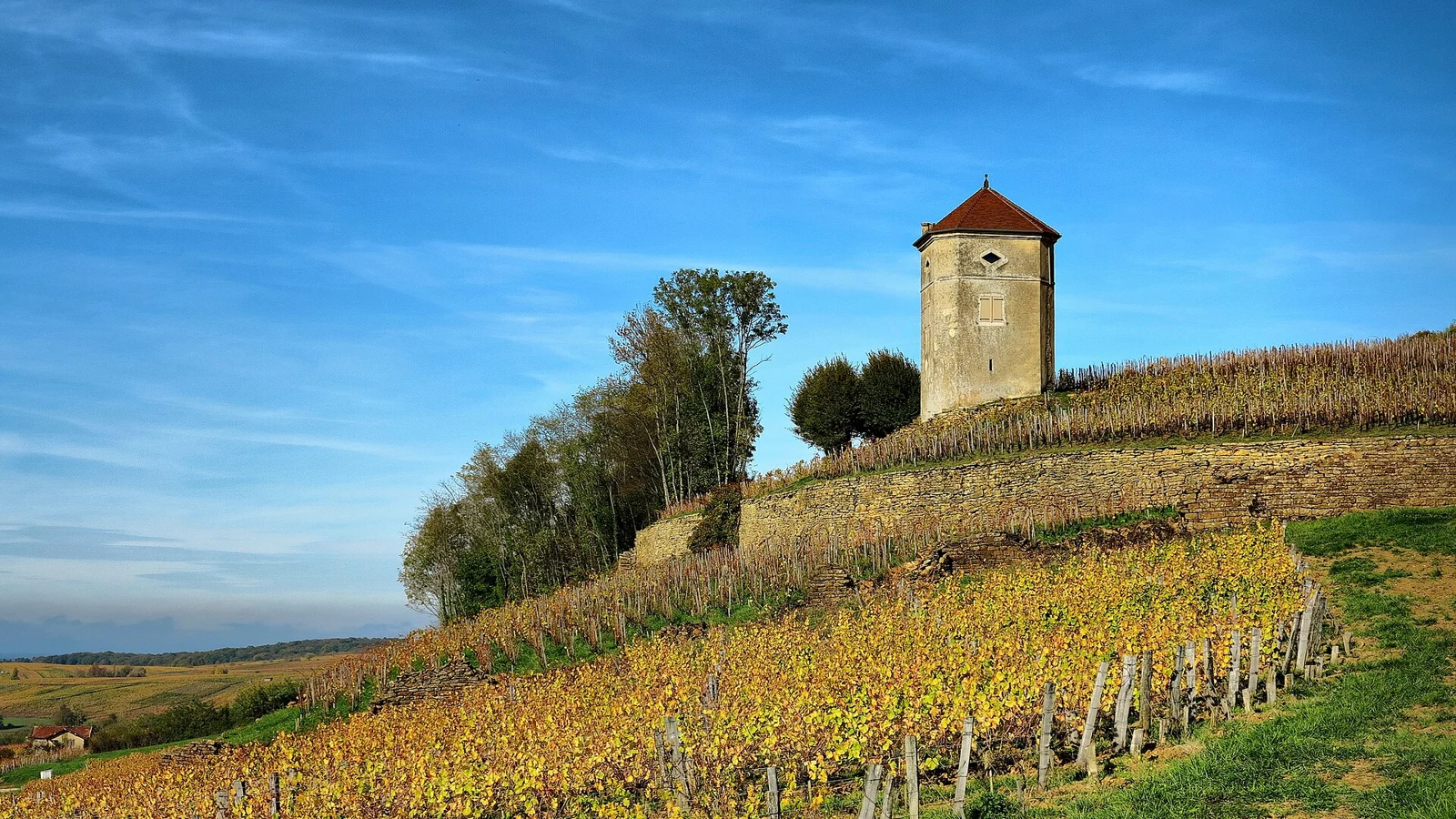
Wines
Six appellations: Arbois, Côtes du Jura, L'Étoile, Château-Chalon, Crémant du Jura and Macvin du Jura. Local grapes Savagnin, Poulsard and Trousseau.
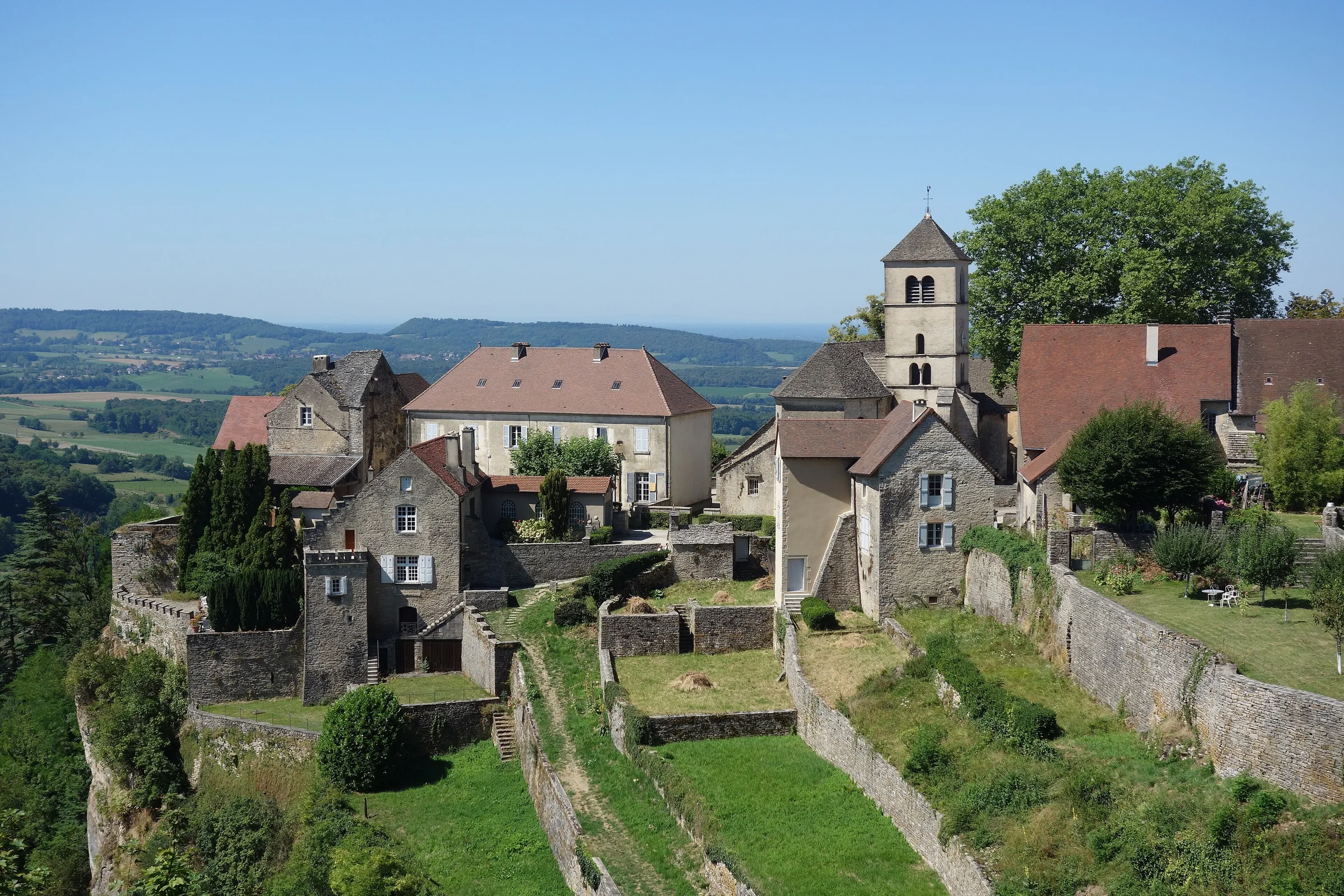
Wine region · France
Vin jaune aged under a veil of yeast, Comté from village dairies and UNESCO saltworks between Burgundy and Switzerland
Region
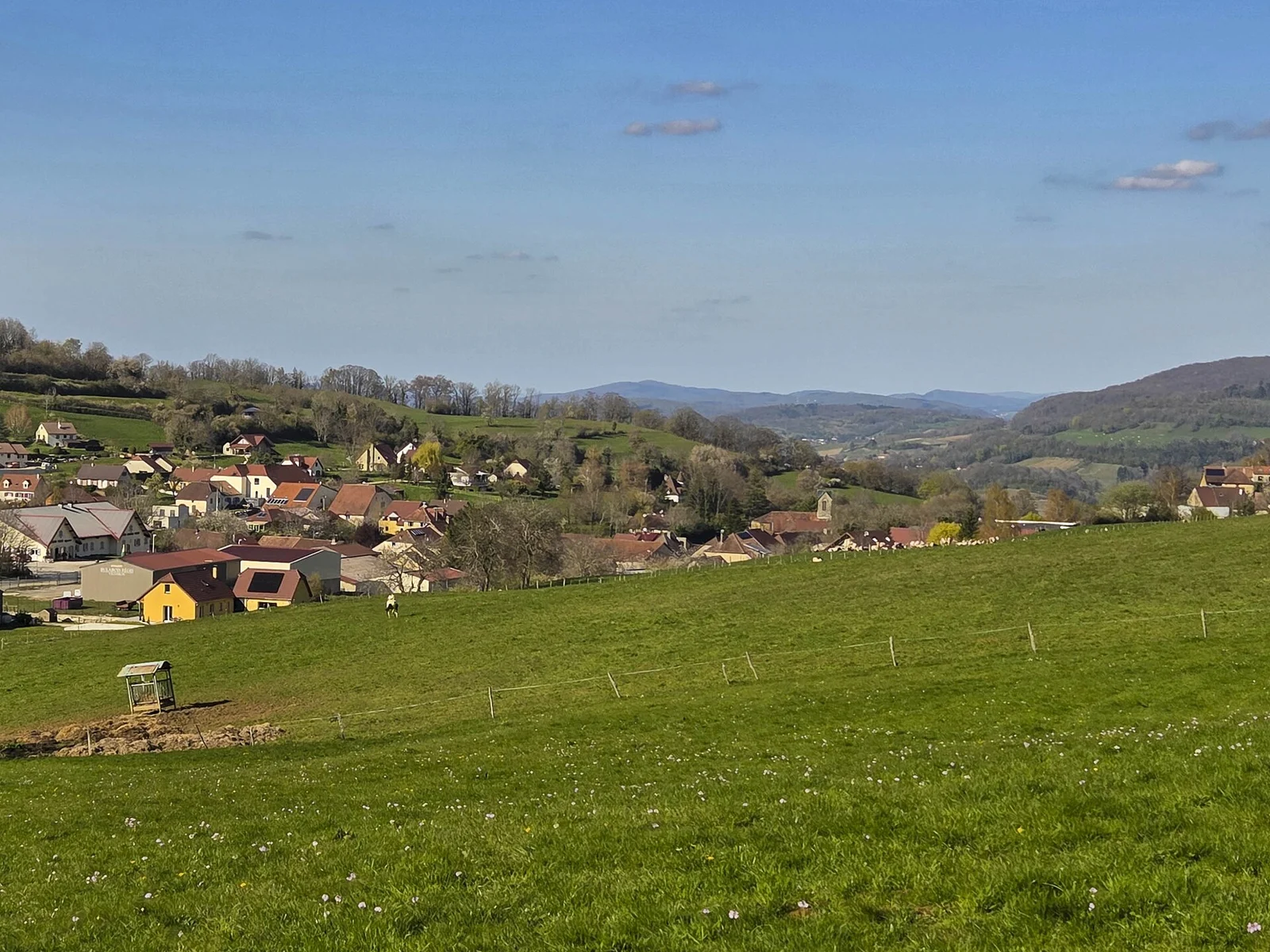
The Jura lies in eastern France, between Burgundy and Switzerland: limestone hills covered in vines, then mountains, forests and lakes. The vineyard covers about 2,100 hectares, one of the smallest in France. There are some 350 producers and 129 tasting rooms, so almost every village has a winemaker to visit.
The Jura makes wines found nowhere else: vin jaune, vin de paille and Macvin. Alongside them come Comté cheese, smoked Morteau sausage and two UNESCO-listed saltworks. The region is small: from Arbois every stop is less than an hour's drive.
Six appellations: Arbois, Côtes du Jura, L'Étoile, Château-Chalon, Crémant du Jura and Macvin du Jura. Local grapes Savagnin, Poulsard and Trousseau.
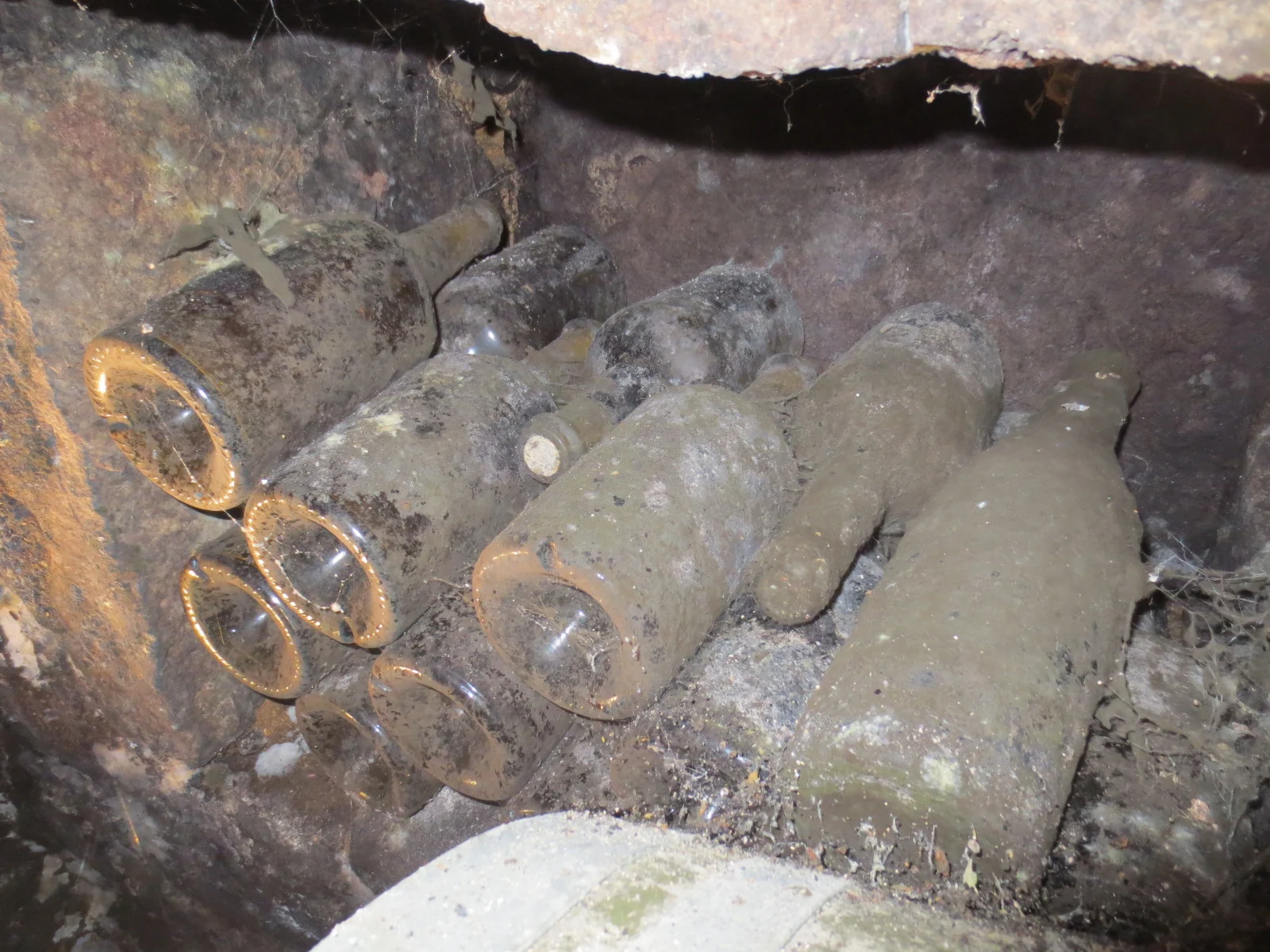
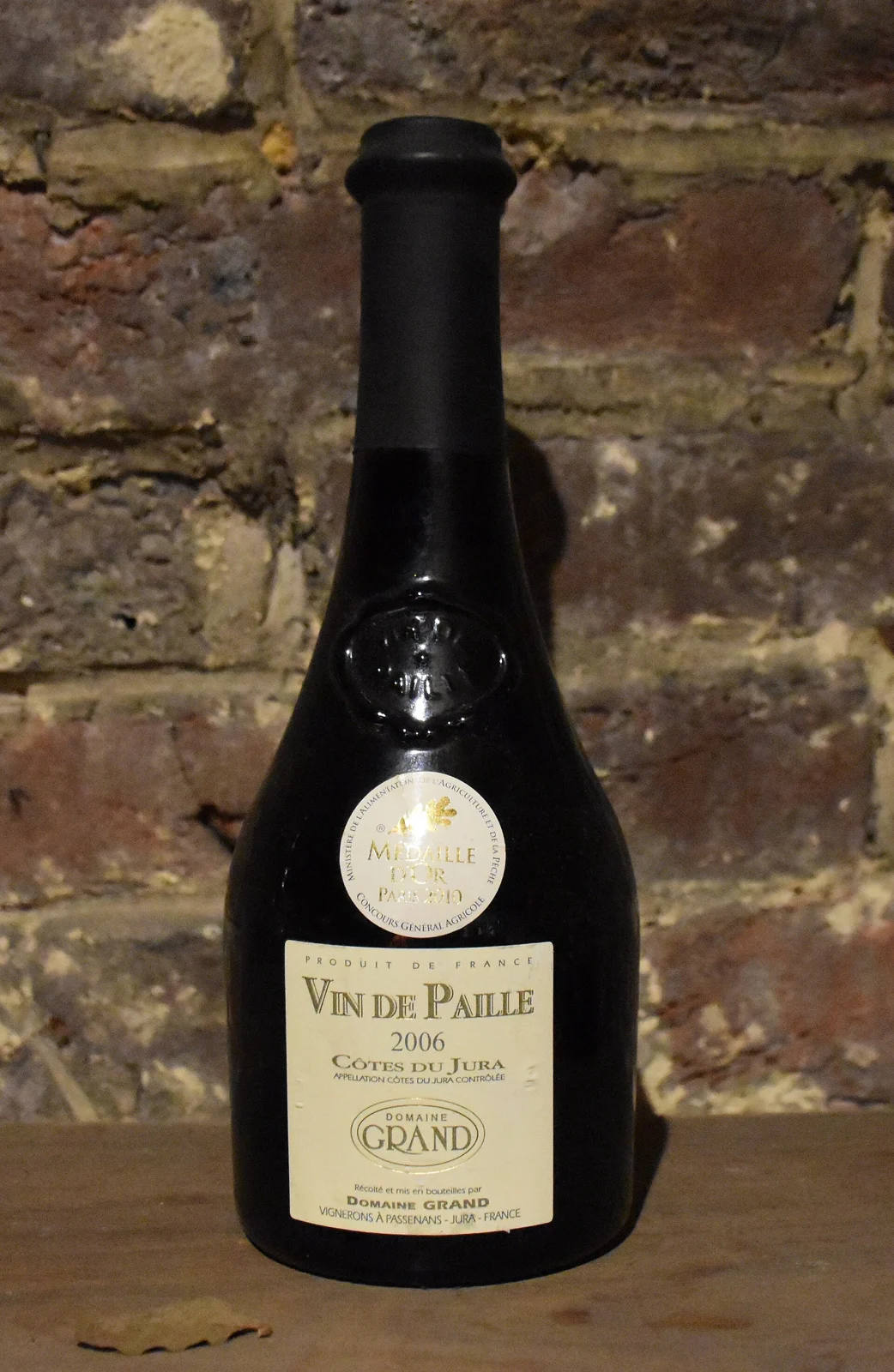
Savagnin is aged for at least 6 years and 3 months, including 5 years in casks that are never topped up, under a veil of yeast. It is bottled in the 62 cl clavelin.
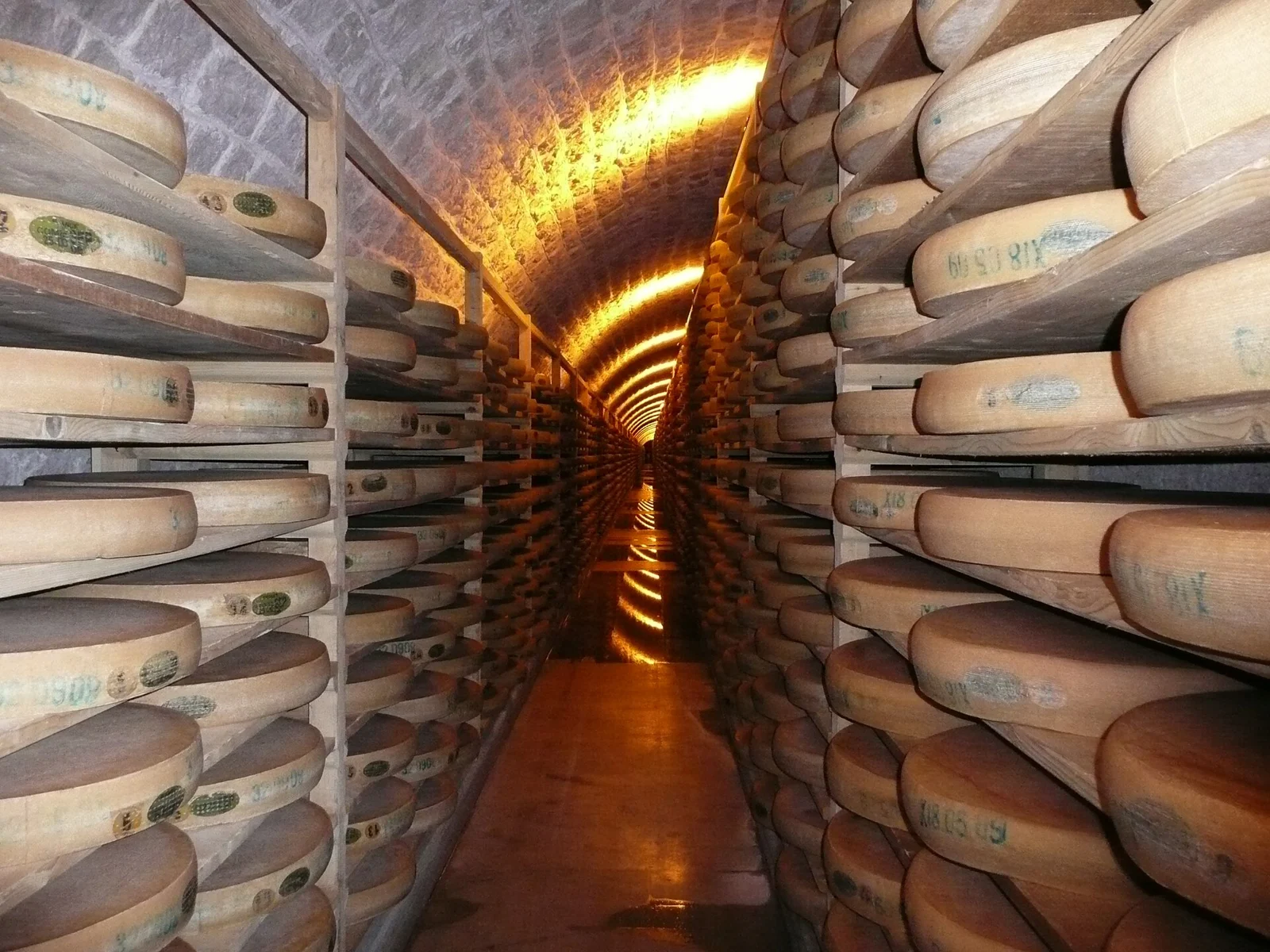
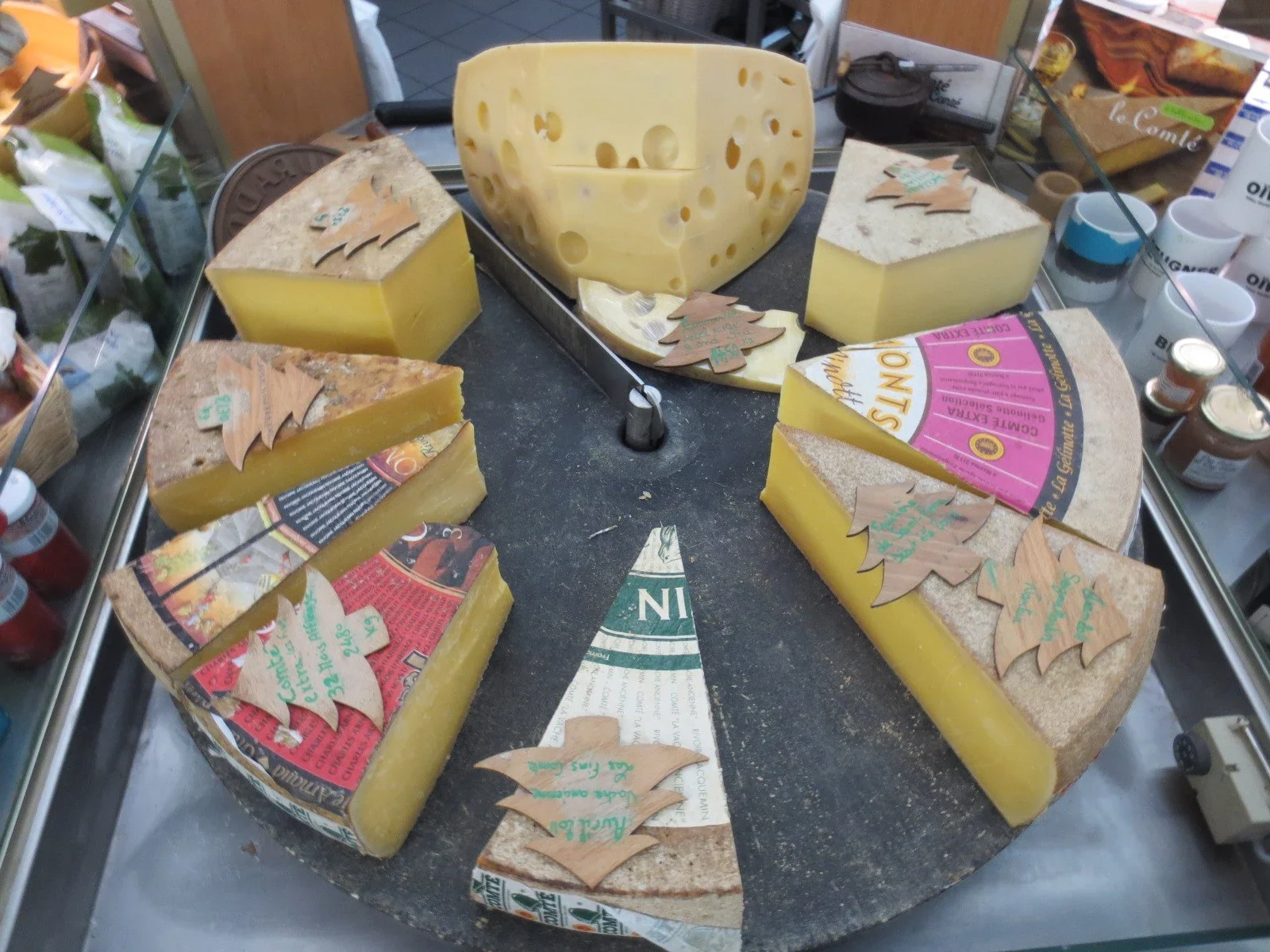
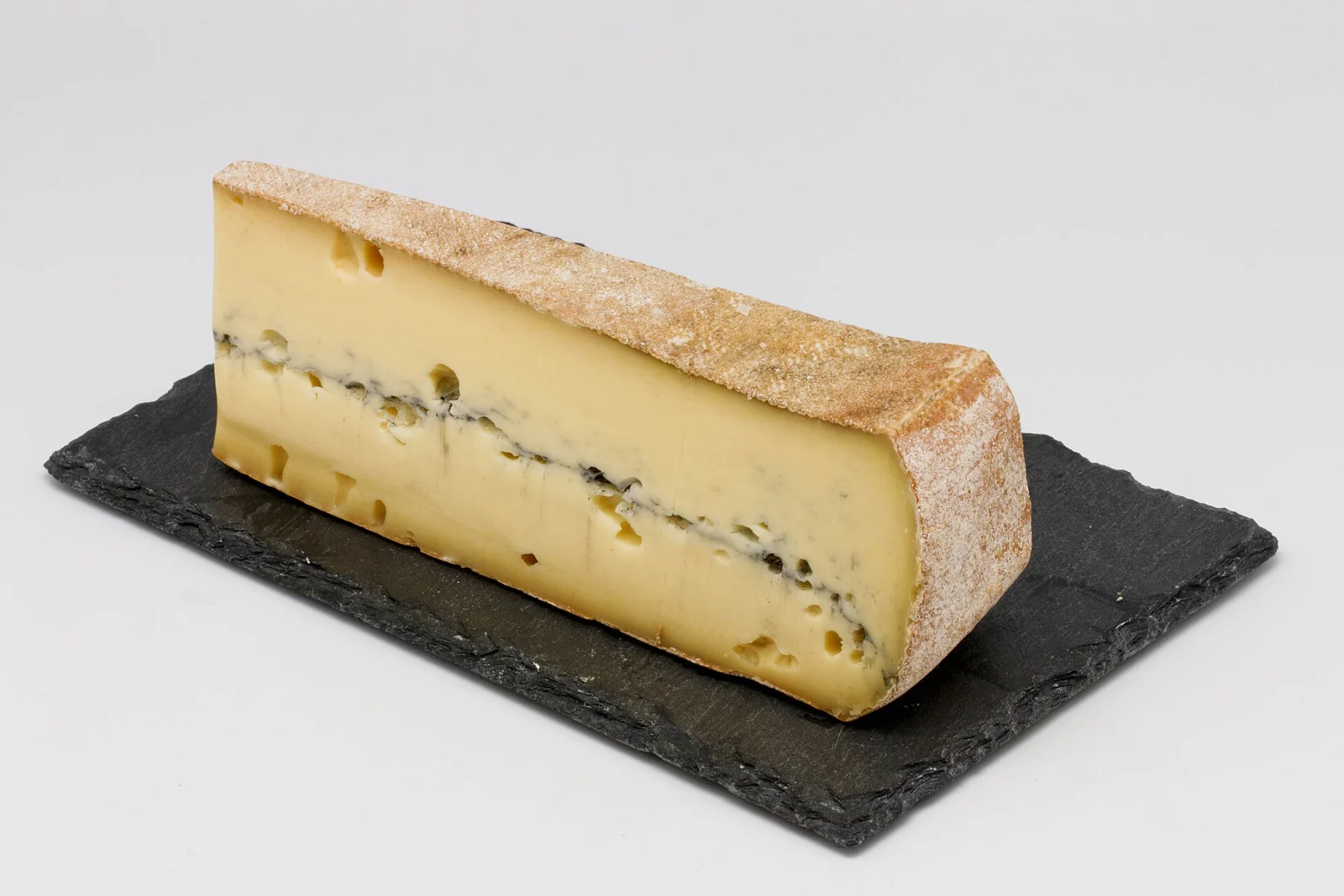
Comté, Morbier, Mont d'Or and Bleu de Gex: four AOP cheeses made from the milk of Montbéliarde cows.
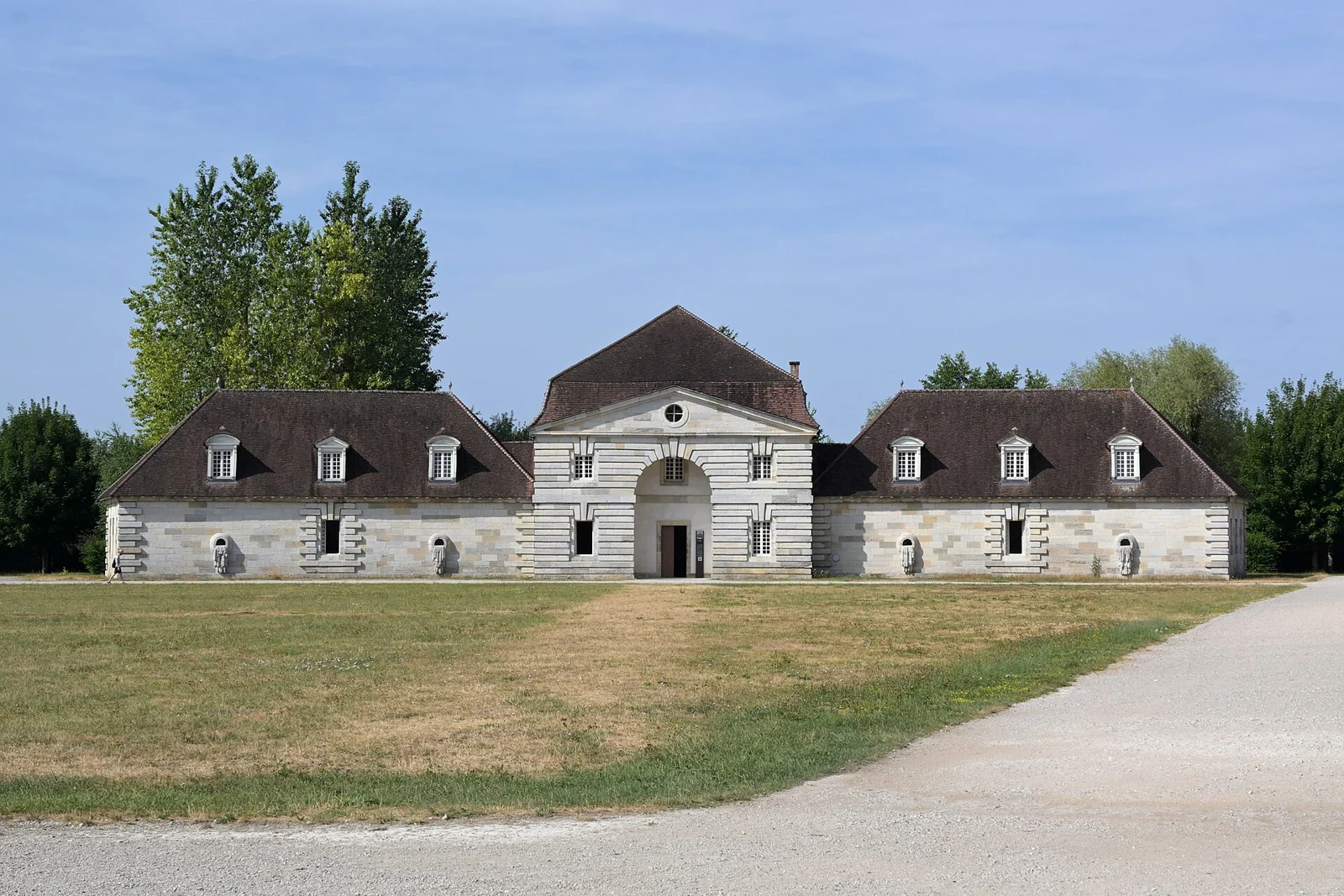
The Royal Saltworks of Arc-et-Senans and the Great Saltworks of Salins (UNESCO), Vauban's citadel in Besançon and Pasteur's house in Arbois.
What to see
From a clifftop village to waterfalls in the forest: the Jura's highlights on one map.
Click a marker or card: they are linked.
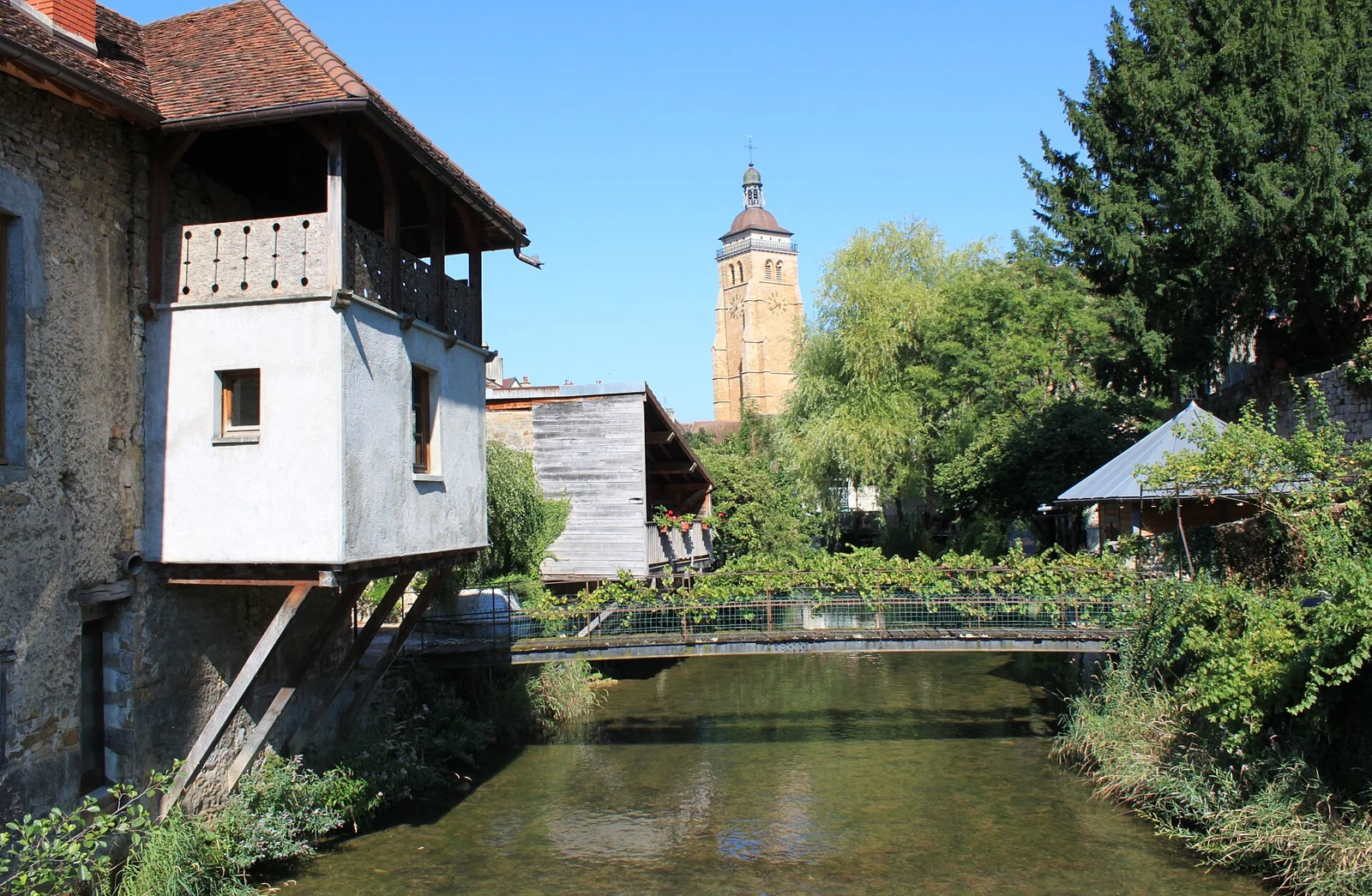
The Jura's wine capital and Louis Pasteur's town, on the Cuisance river. Tasting rooms of estates and the cooperative in the centre.
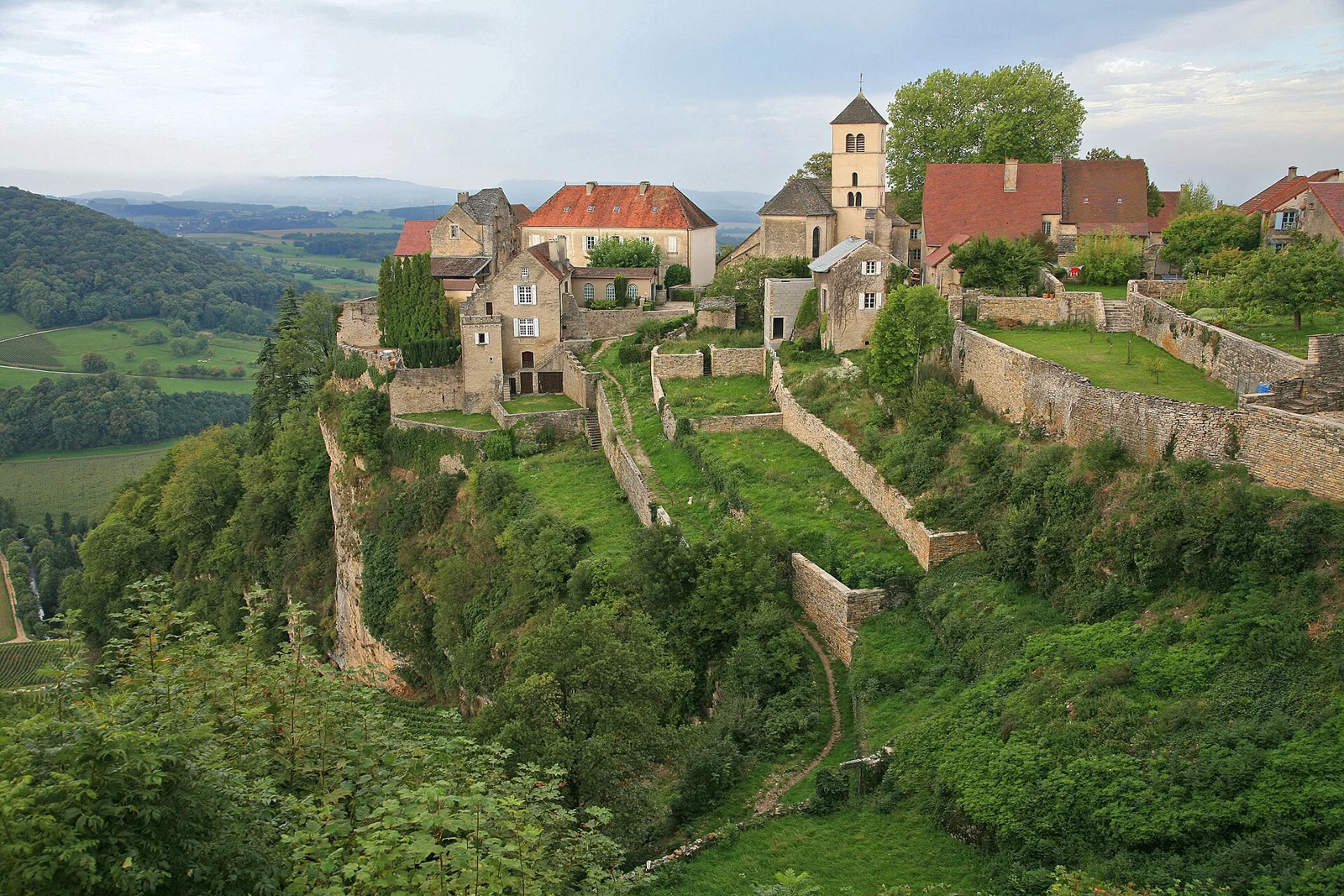
A clifftop village above the vineyards, one of the Most Beautiful Villages of France. Its own appellation, for vin jaune only, since 1936.
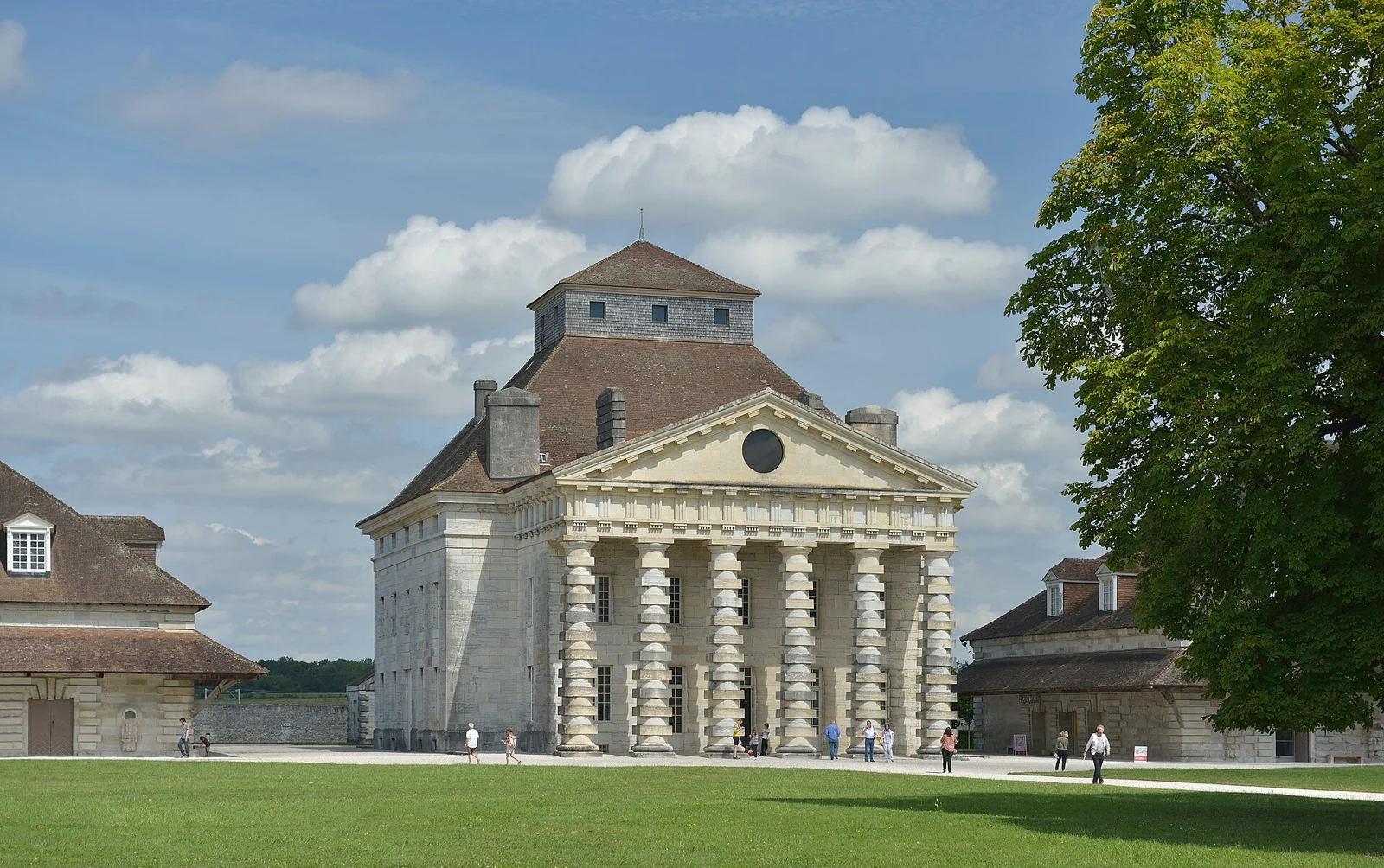
Saltworks built by Claude-Nicolas Ledoux in 1775–1779 for Louis XV. UNESCO World Heritage since 1982.
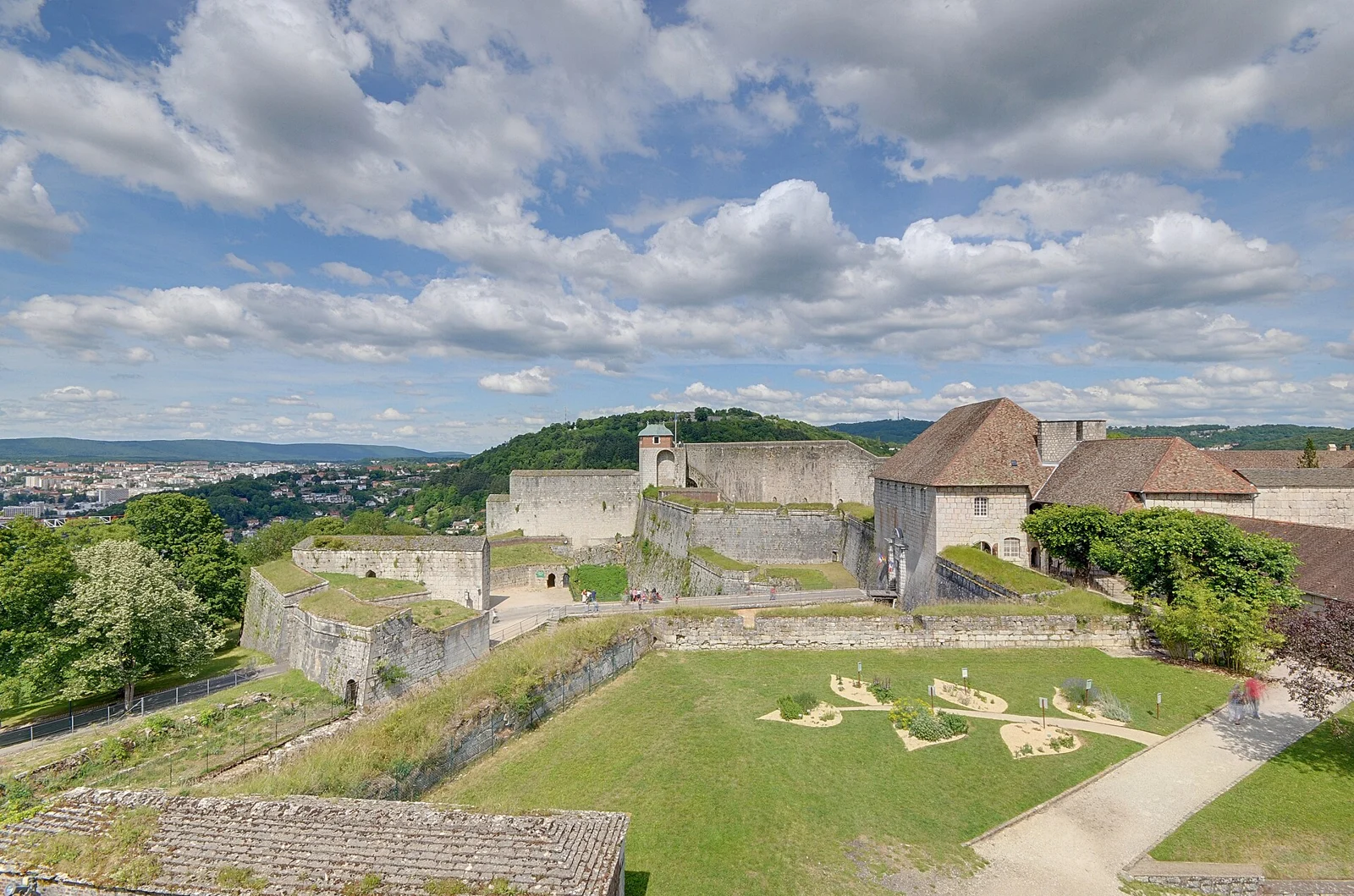
Vauban's fortress on a hill above the city, nearly 12 hectares. UNESCO-listed in 2008 with the Fortifications of Vauban.
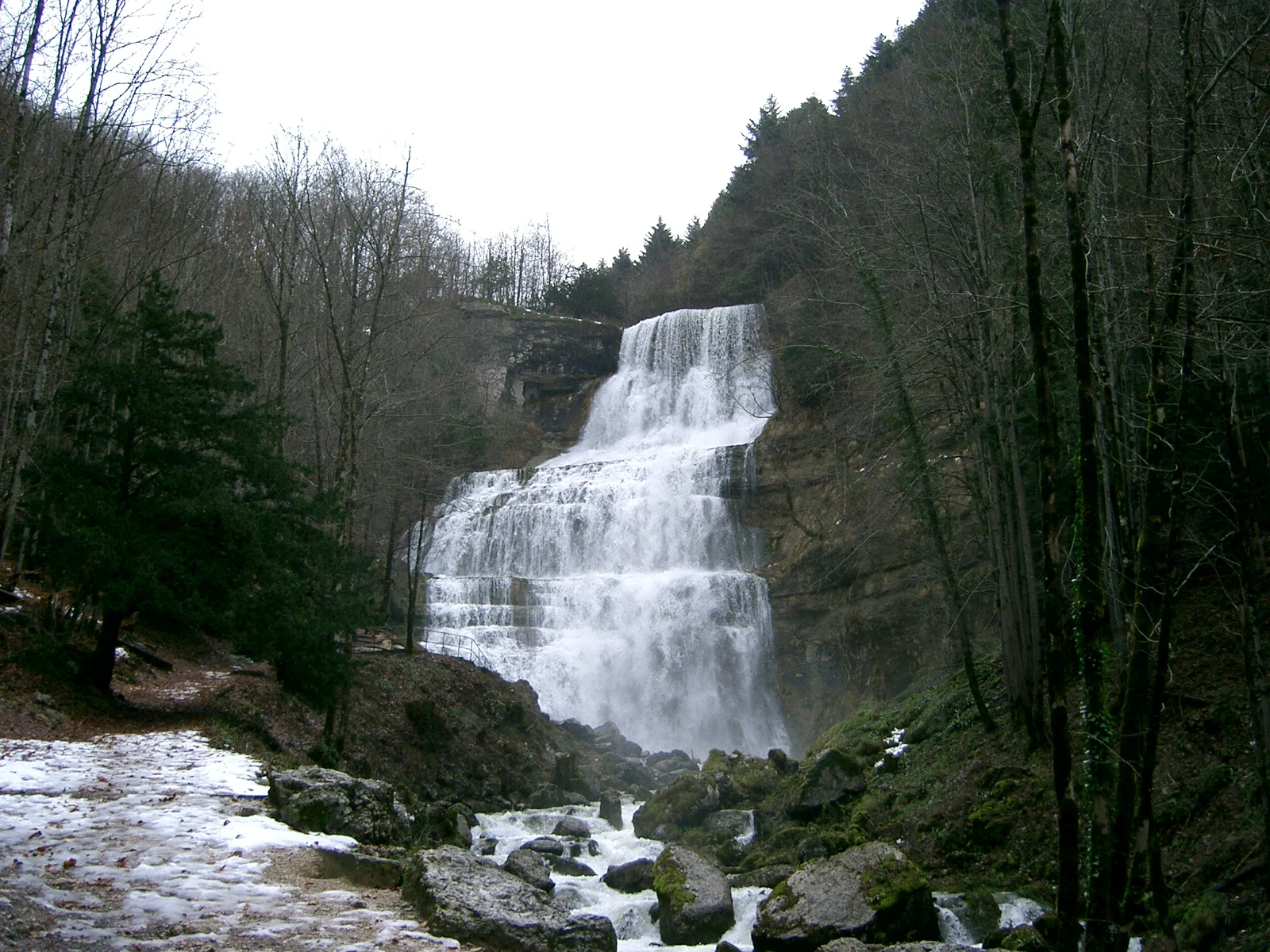
A chain of 31 waterfalls in a wooded valley. The highest are the Éventail (65 m) and the Grand Saut (60 m).
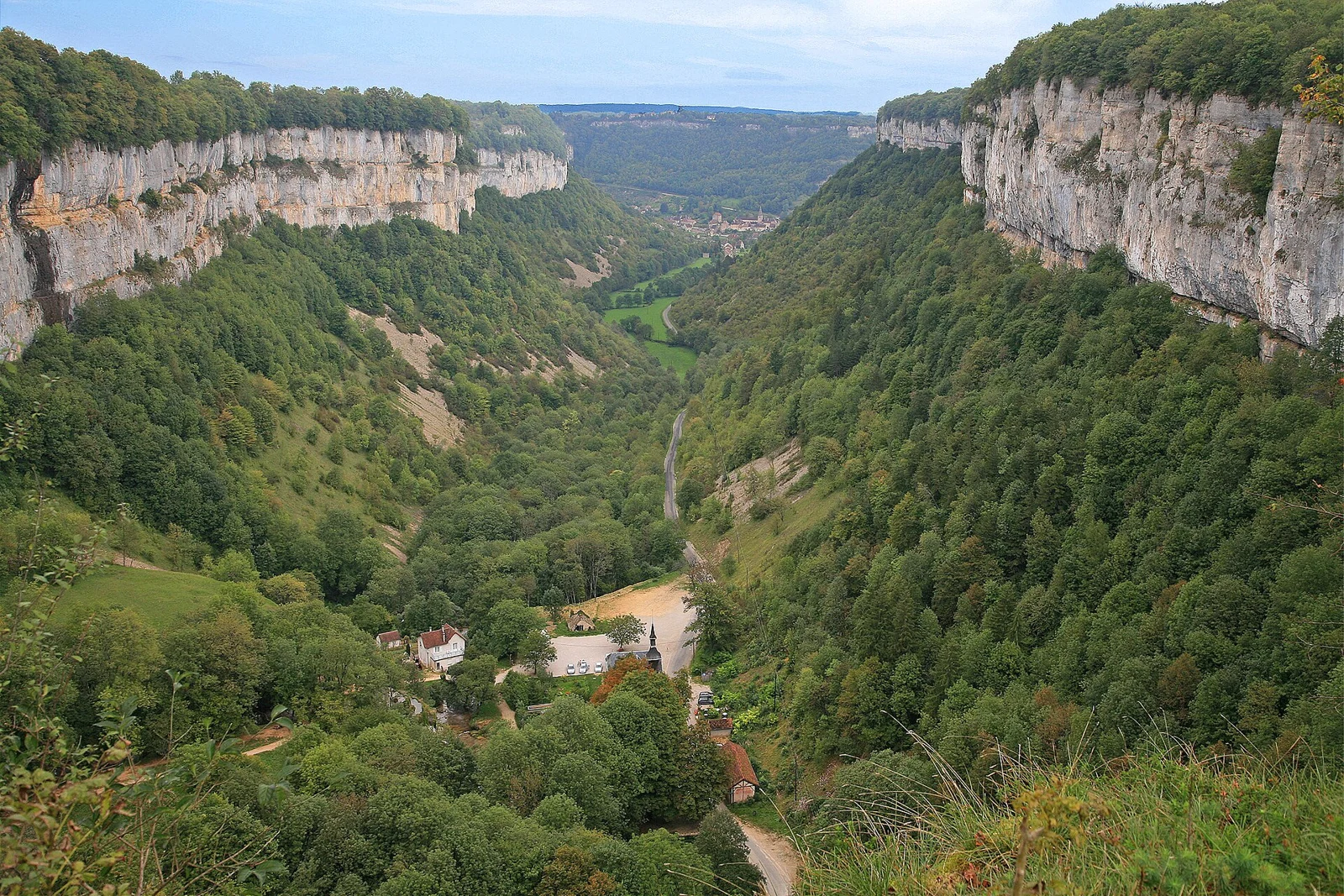
A village with an imperial abbey at the end of a blind valley beneath cliffs. Caves and the Tufs waterfall nearby.
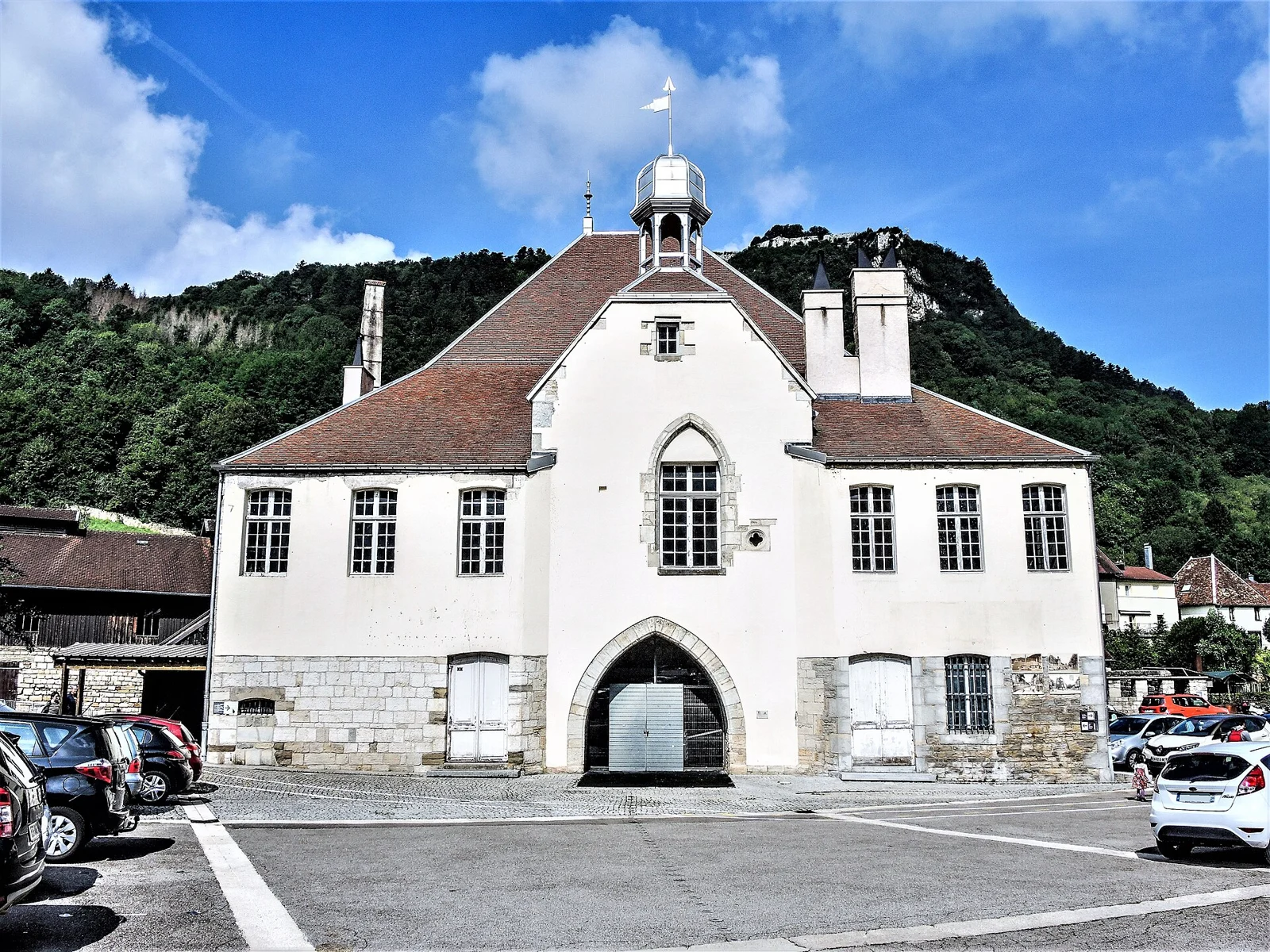
Salt was produced here for at least 1,200 years, until 1962. The underground gallery can only be seen with a guide. UNESCO since 2009.
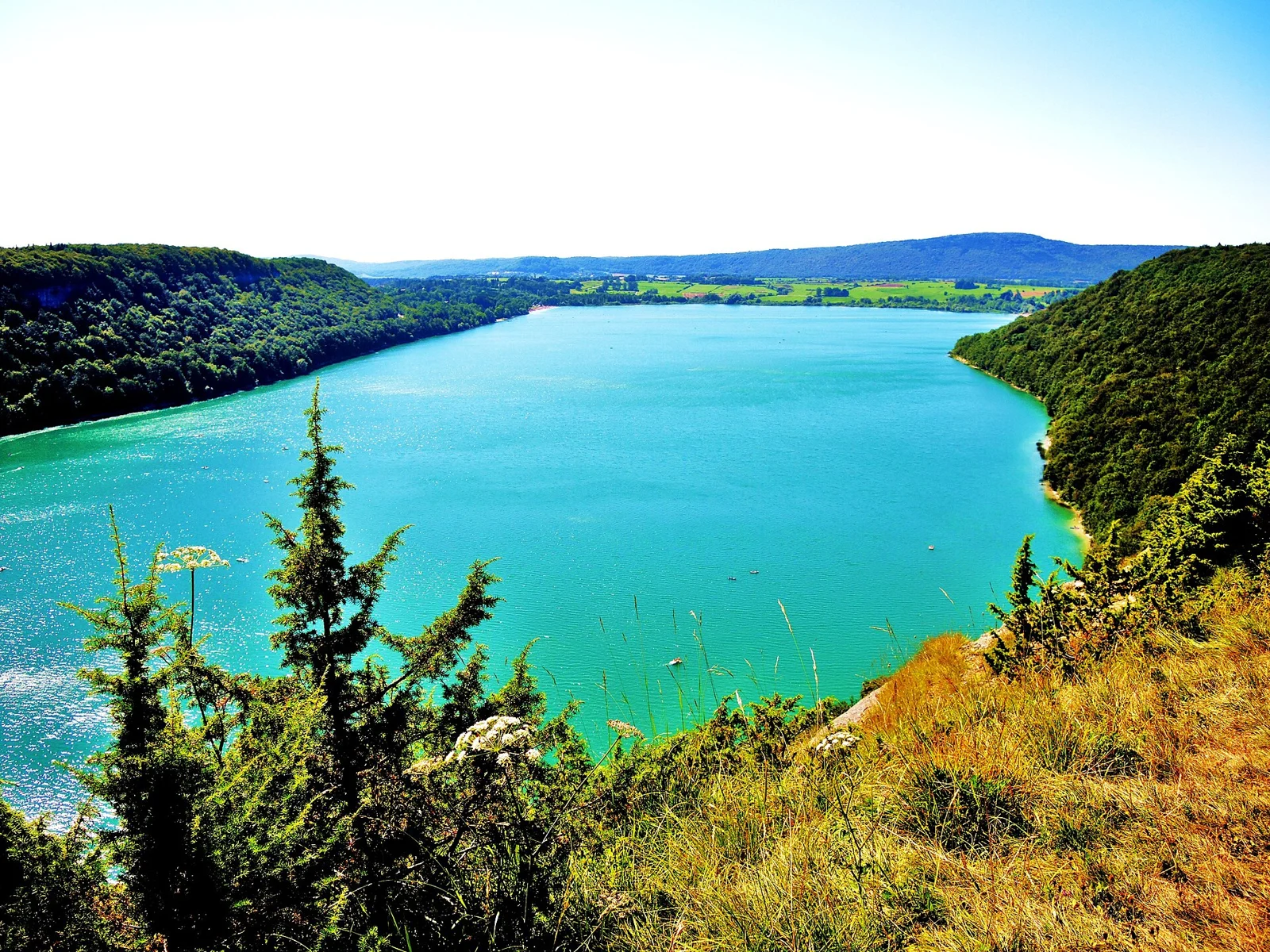
A lake in the Jura mountains. Its shores hold pile-dwelling villages listed by UNESCO among the prehistoric pile dwellings around the Alps.
Towns and villages
From wine-making Arbois to salt-making Salins: small towns half an hour apart.
Town
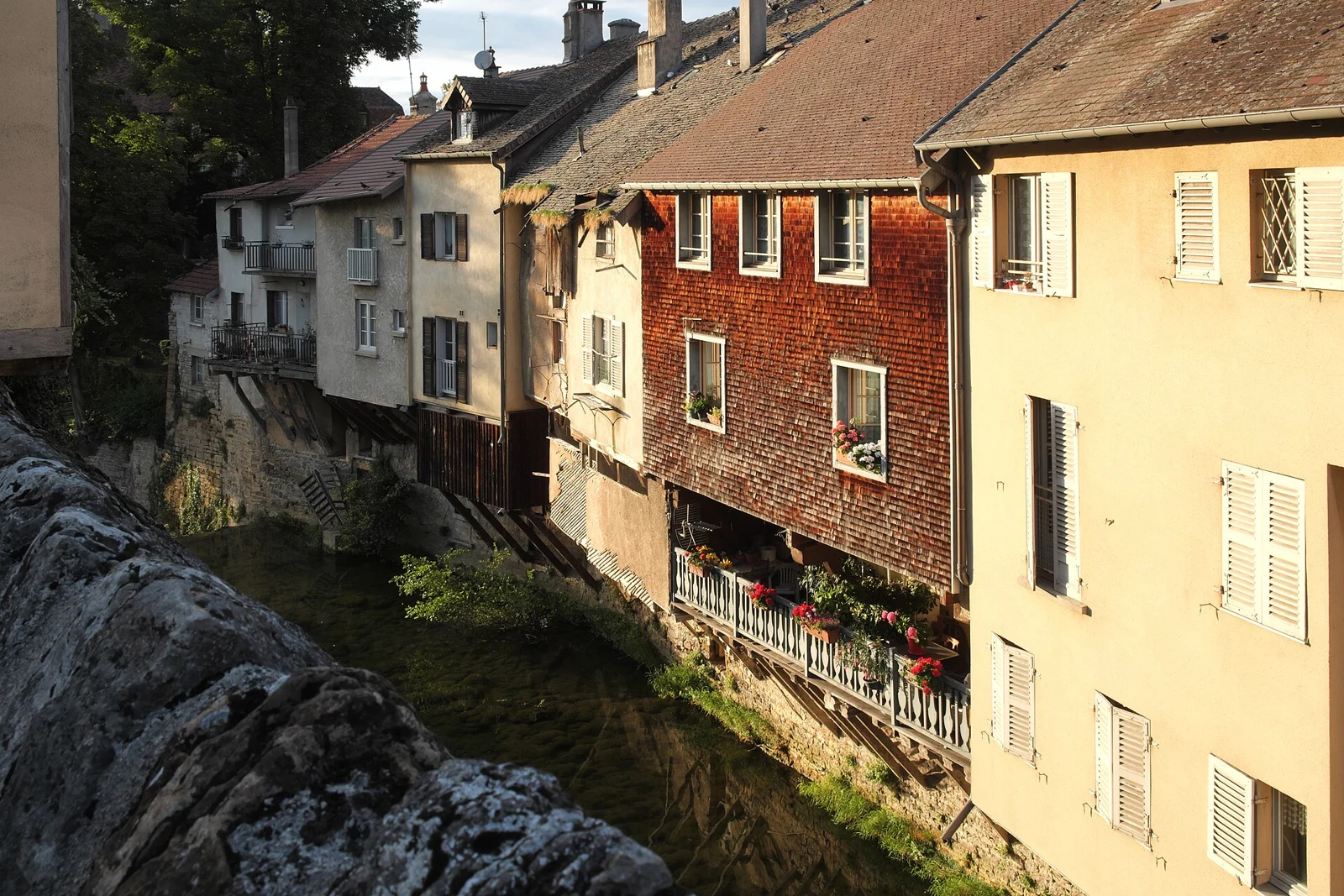
The Jura's wine capital. Pasteur's house on rue de Courcelles reopened after restoration on 11 September 2026.
Town
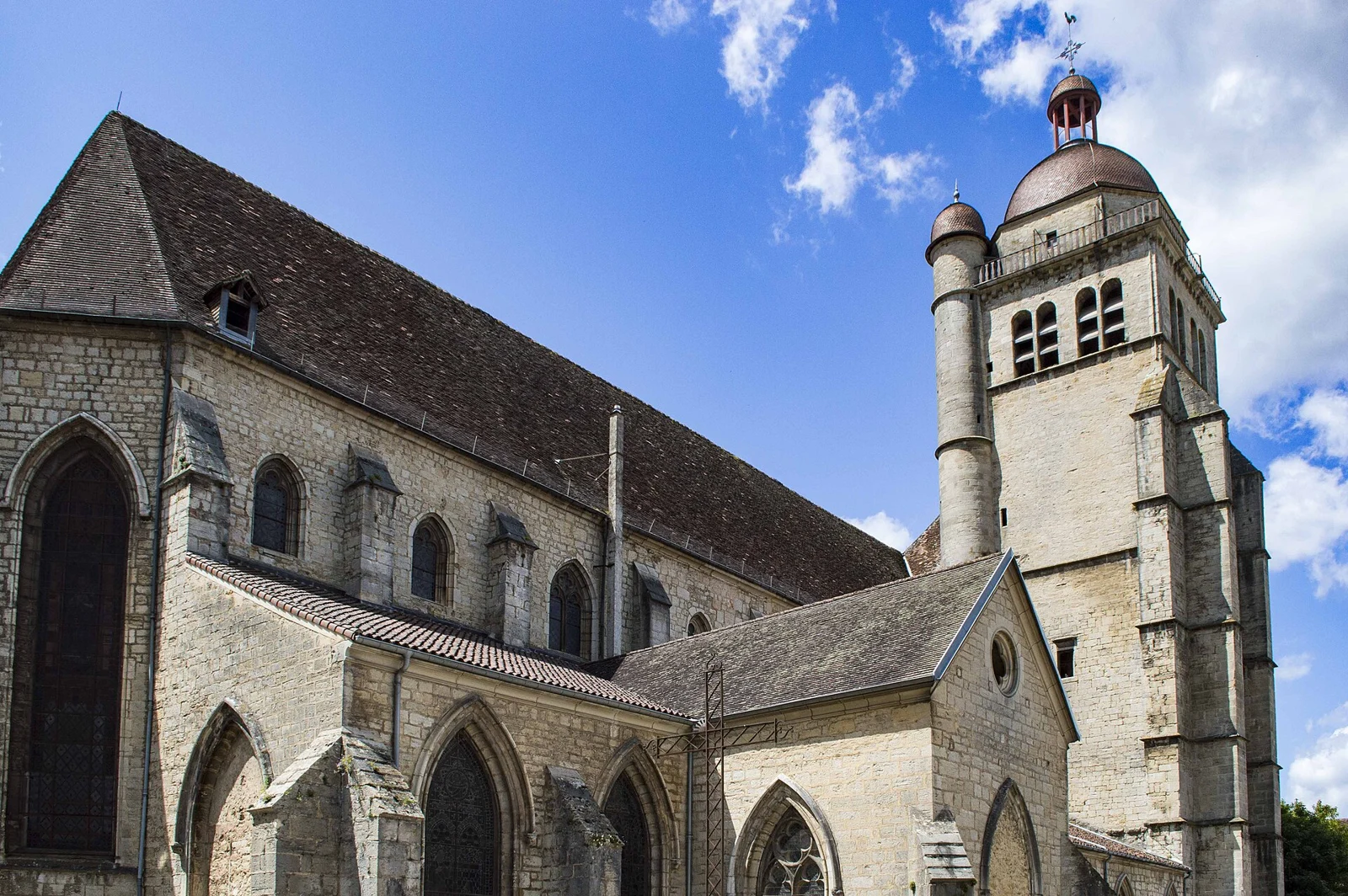
The capital of Comté, home of the cheese's interprofession and the Maison du Comté. 15th-century Gothic collegiate church of Saint-Hippolyte.
Town
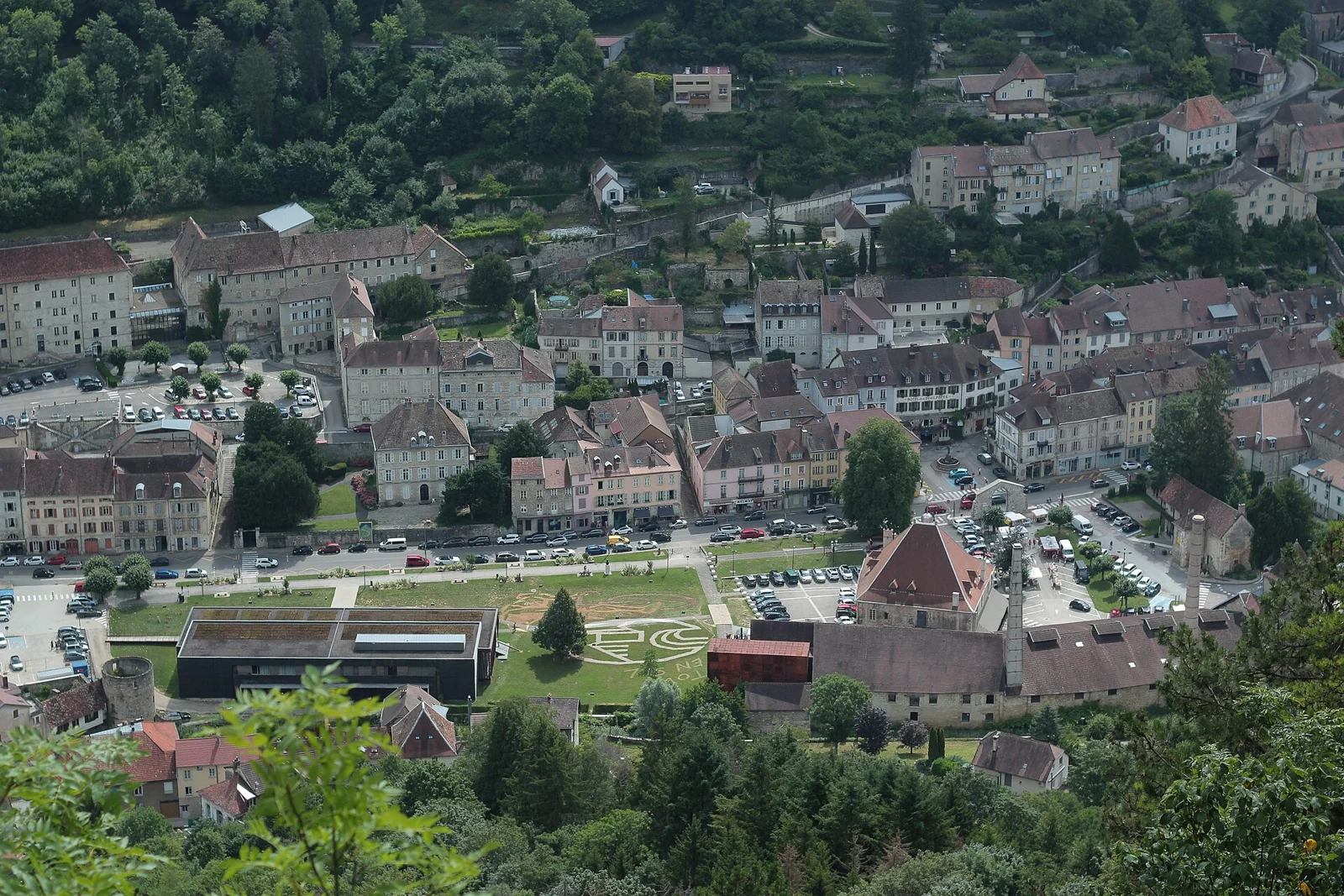
A salt town in a narrow valley between two forts. The Great Saltworks is UNESCO-listed.
Town
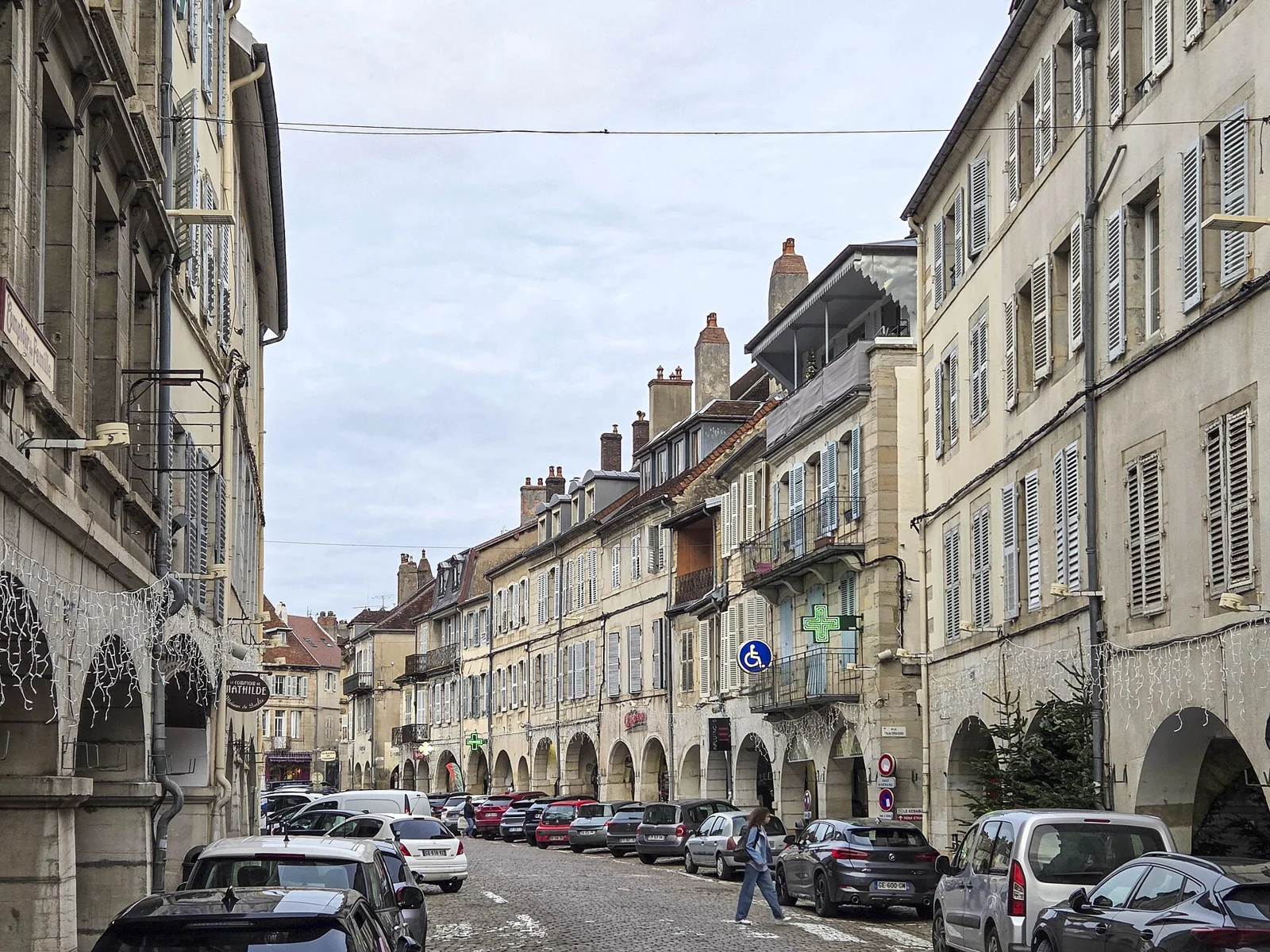
The Jura's prefecture. Rouget de Lisle, author of La Marseillaise, was born here in 1760. Rue du Commerce has 146 arcades.
Town
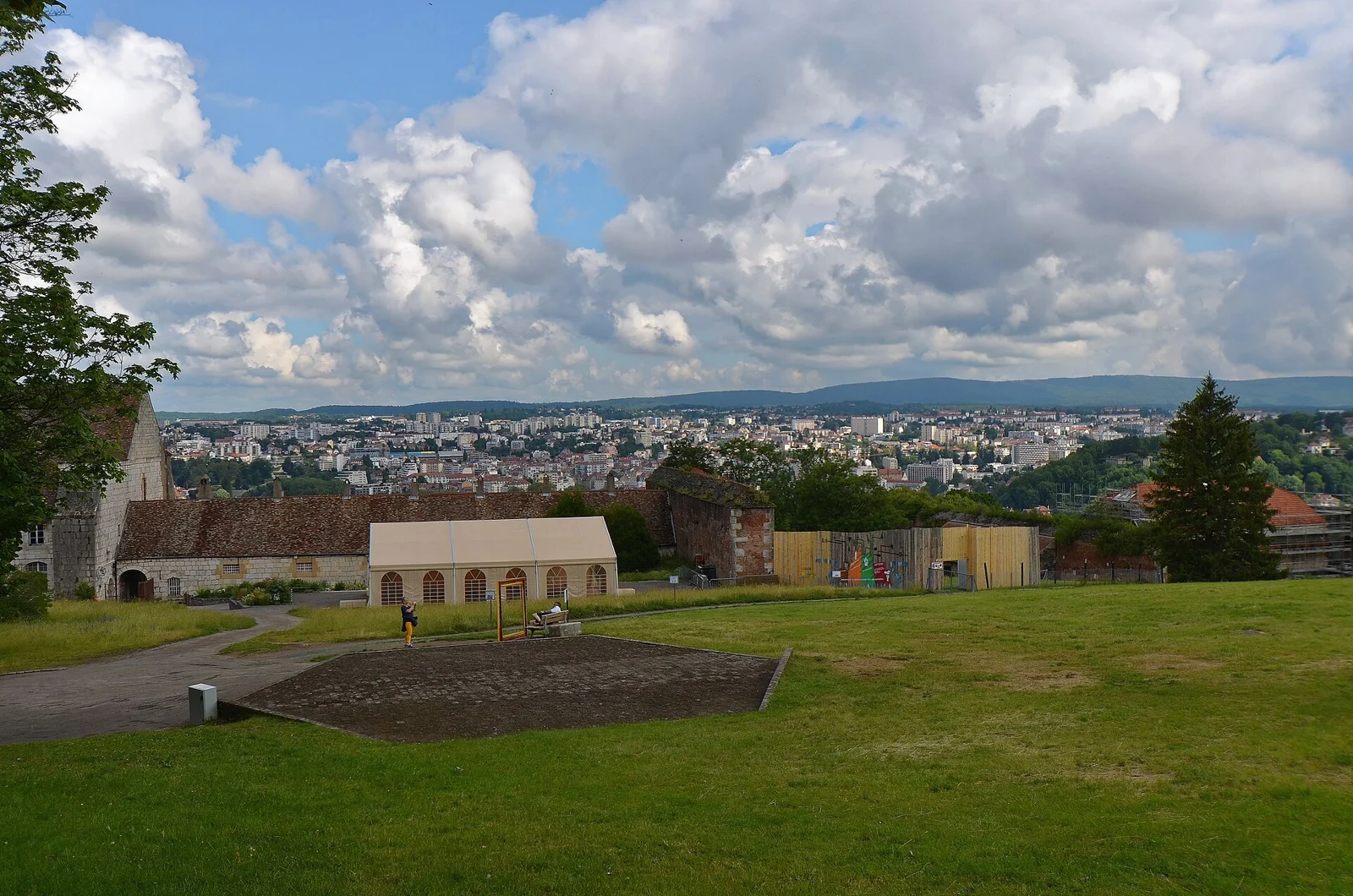
Capital of Franche-Comté in a loop of the Doubs, with Vauban's citadel.
Traditions
Winemakers' festivals, village dairies and old-style smoking.
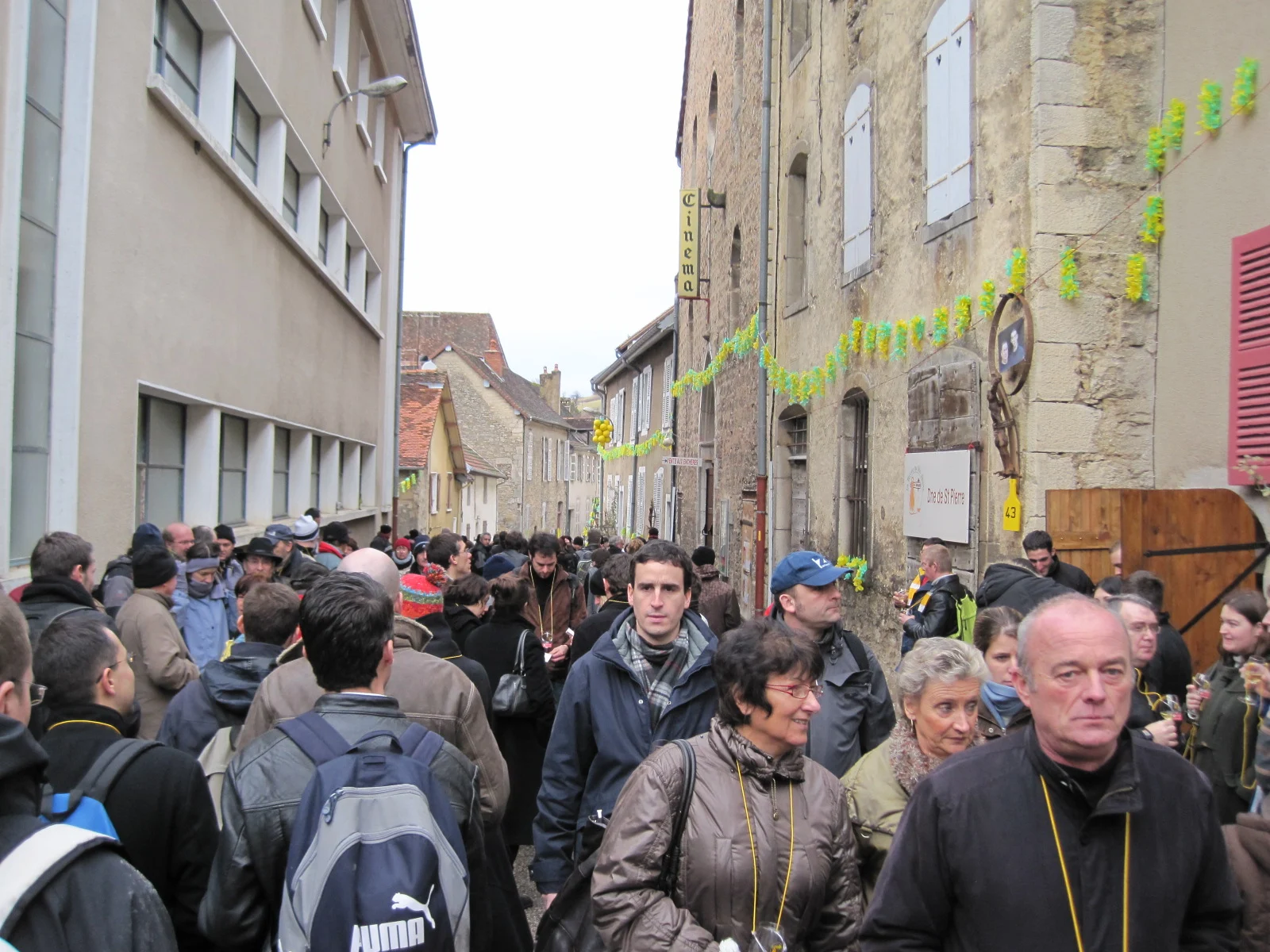
On the first weekend of February, in a different village each year, the cask of mature vin jaune is ceremonially opened. Parade of winemakers and wine brotherhoods, cellar tastings and an auction.
On the first Sunday of September, Arbois winemakers carry a giant bunch made of new-harvest grapes through the town. Torchlight parade and fireworks on Saturday, Mass at the church of Saint-Just on Sunday.
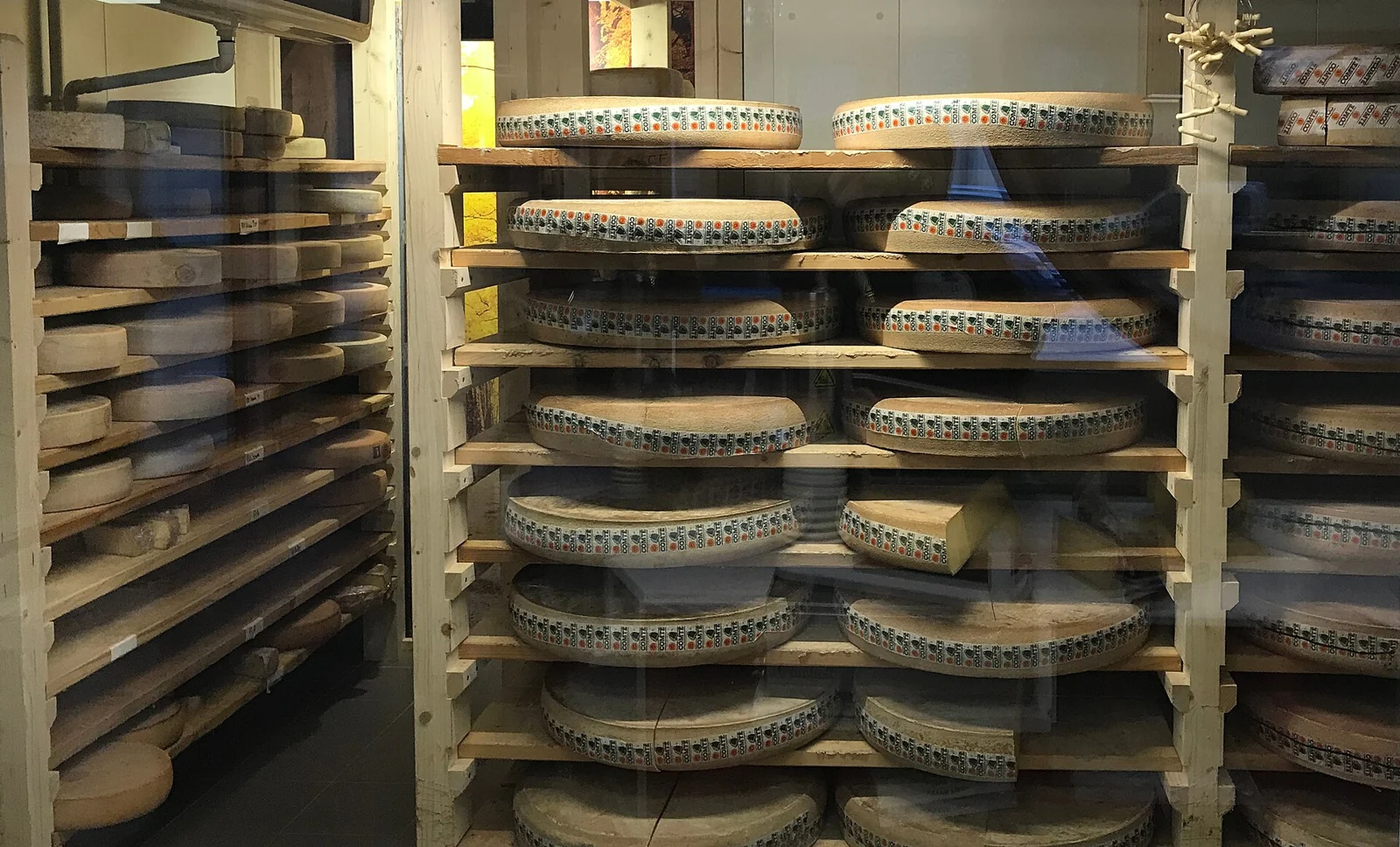
Comté is made in cooperative village dairies: about 150 of them, with milk collected within about 12 km. Almost every village has one.
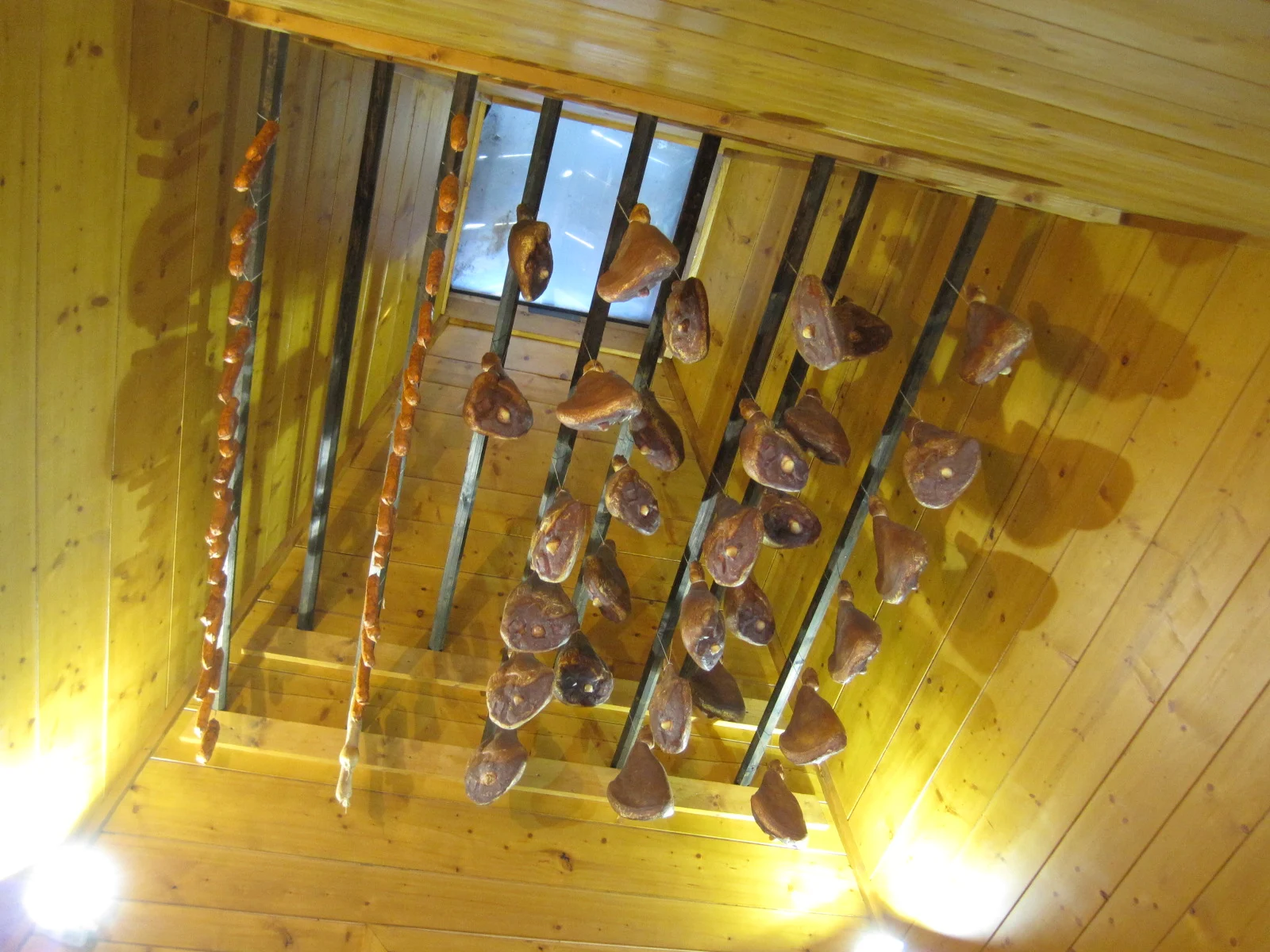
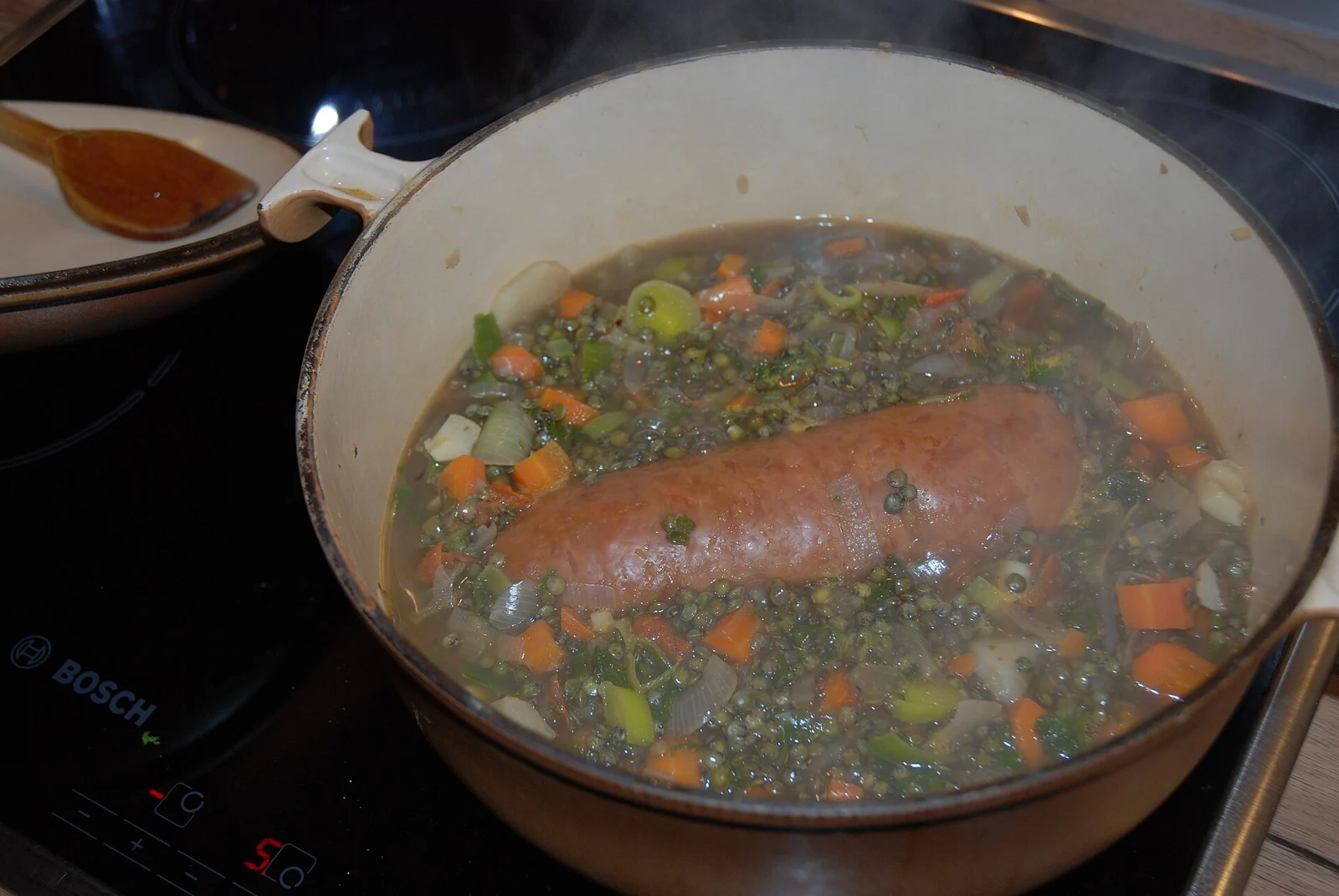
Morteau sausage is smoked in the huge chimney smokehouses of Haut-Doubs farms. This craft is on France's inventory of intangible cultural heritage.
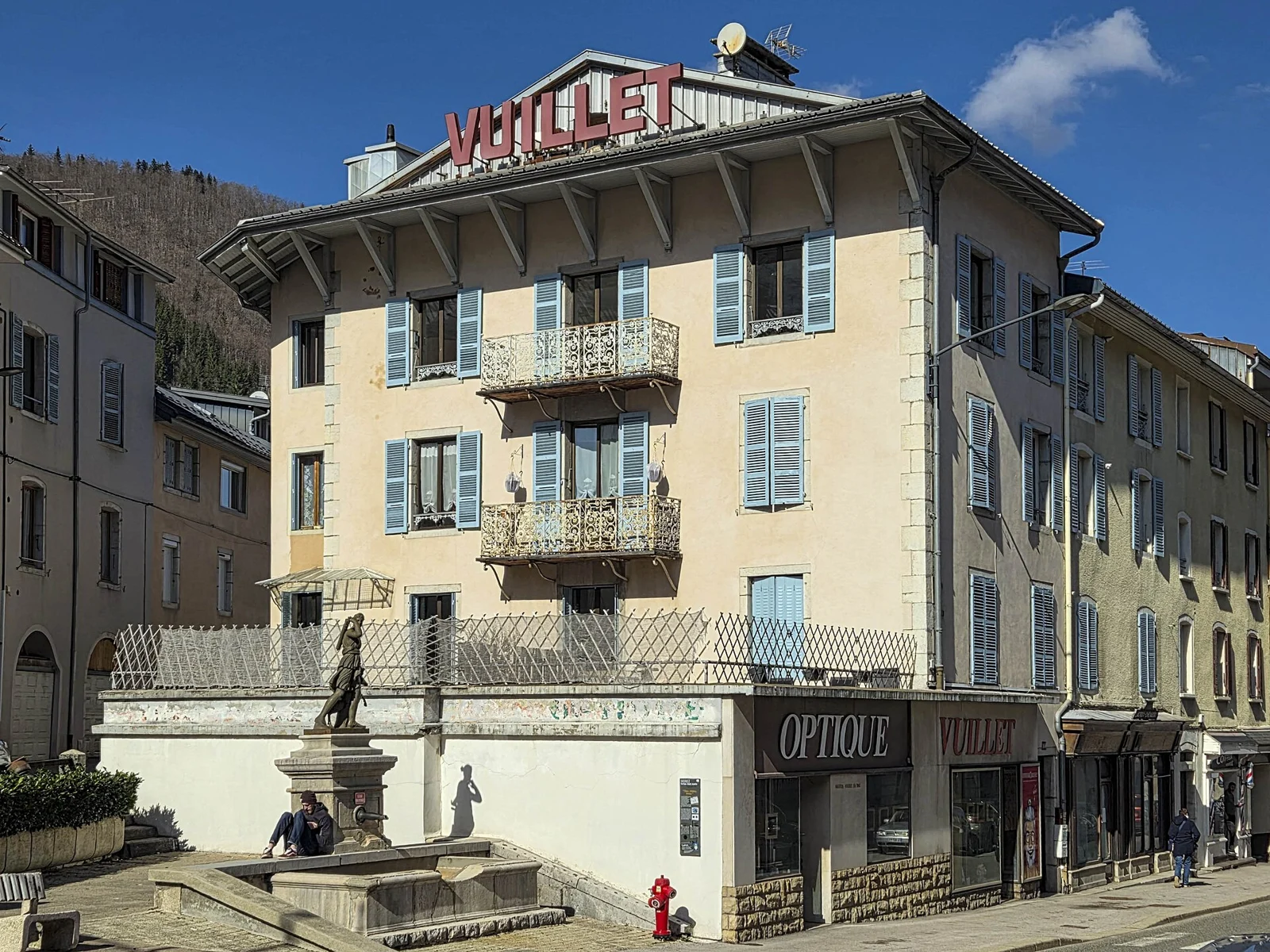
Eyewear making is part of the industrial and craft history of Morez and the Haut-Jura.
Website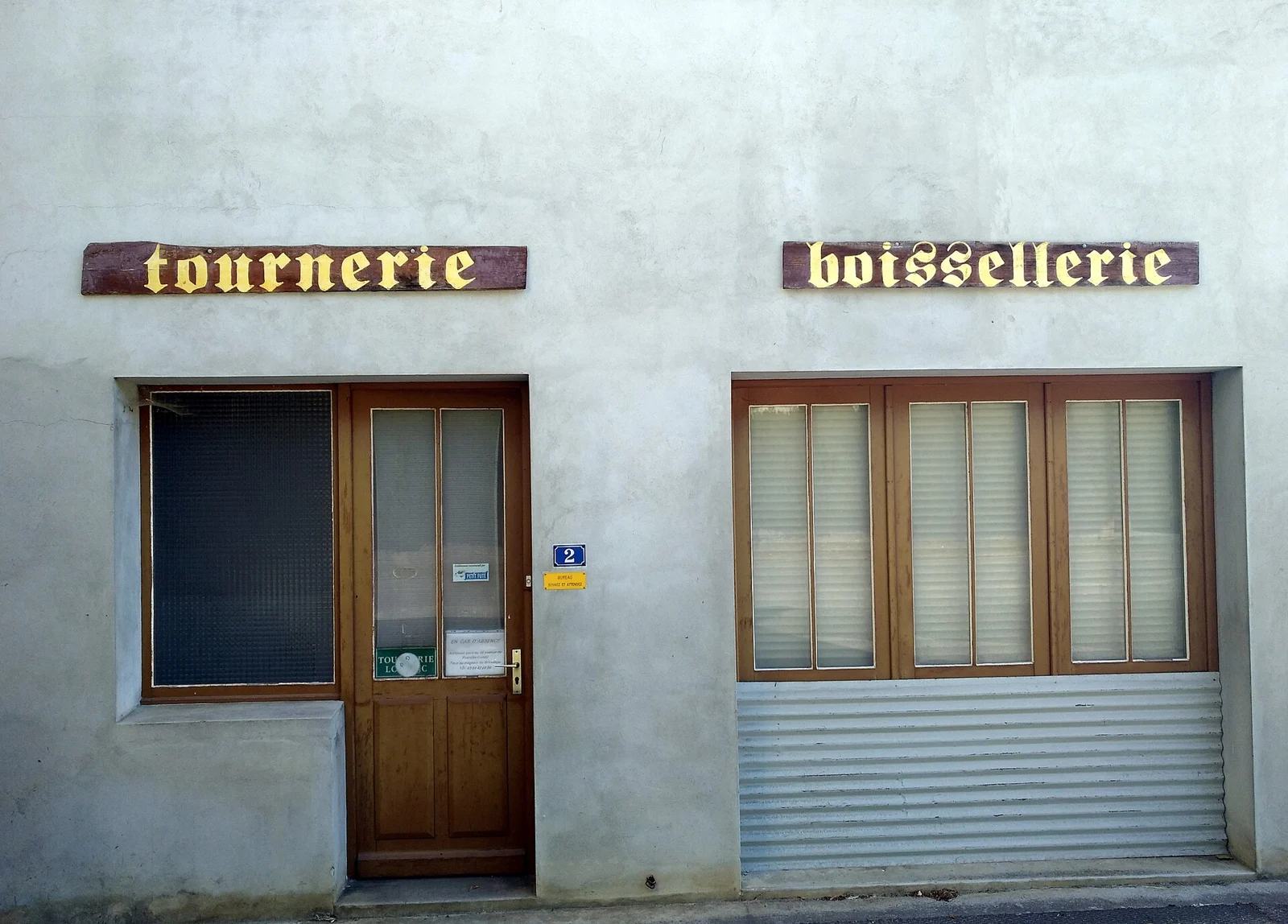
Woodworking underpins the Jura’s traditions of toy making and small everyday objects.
Website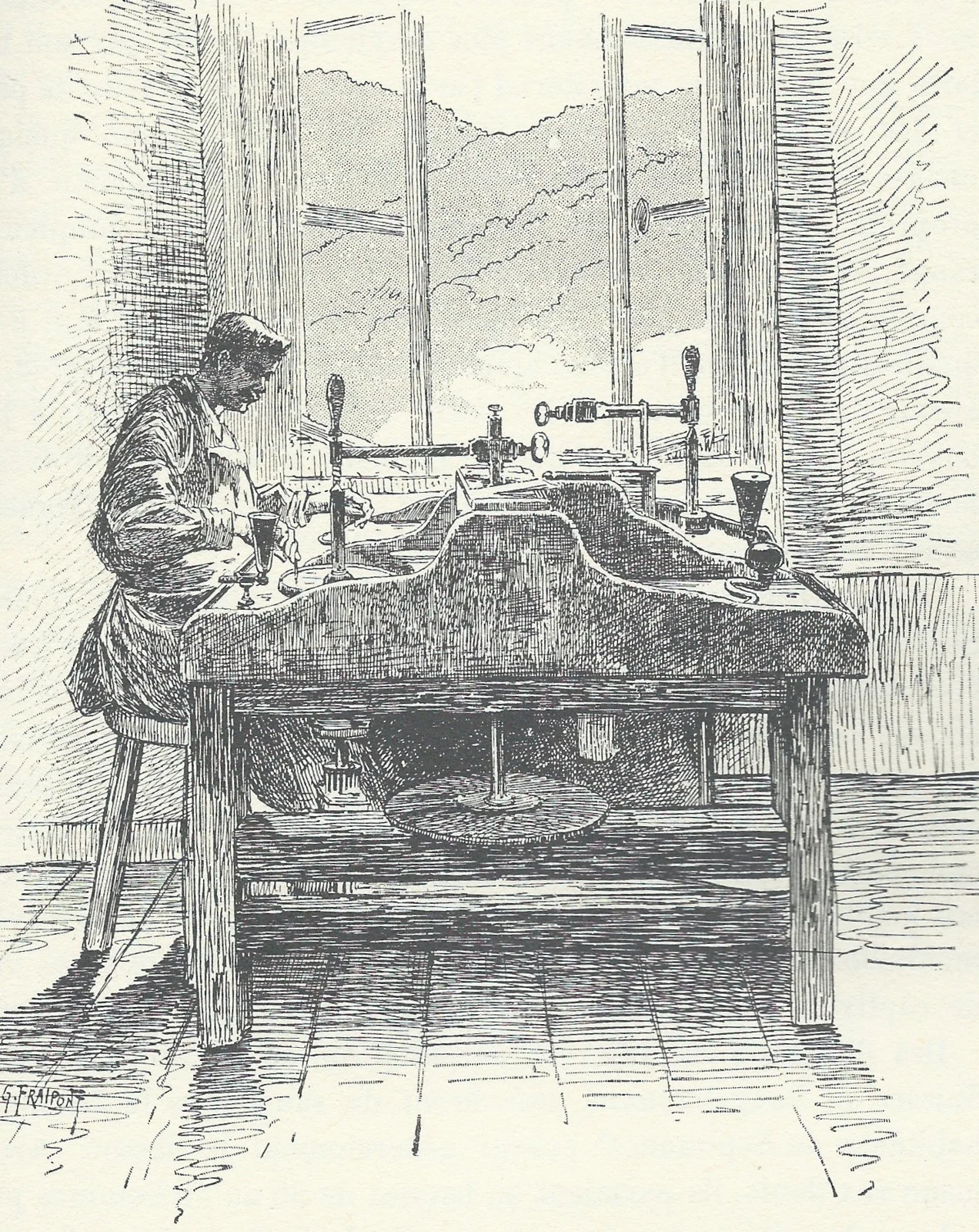
The lapidary craft preserves the memory of artisans who worked precious and ornamental stones.
Website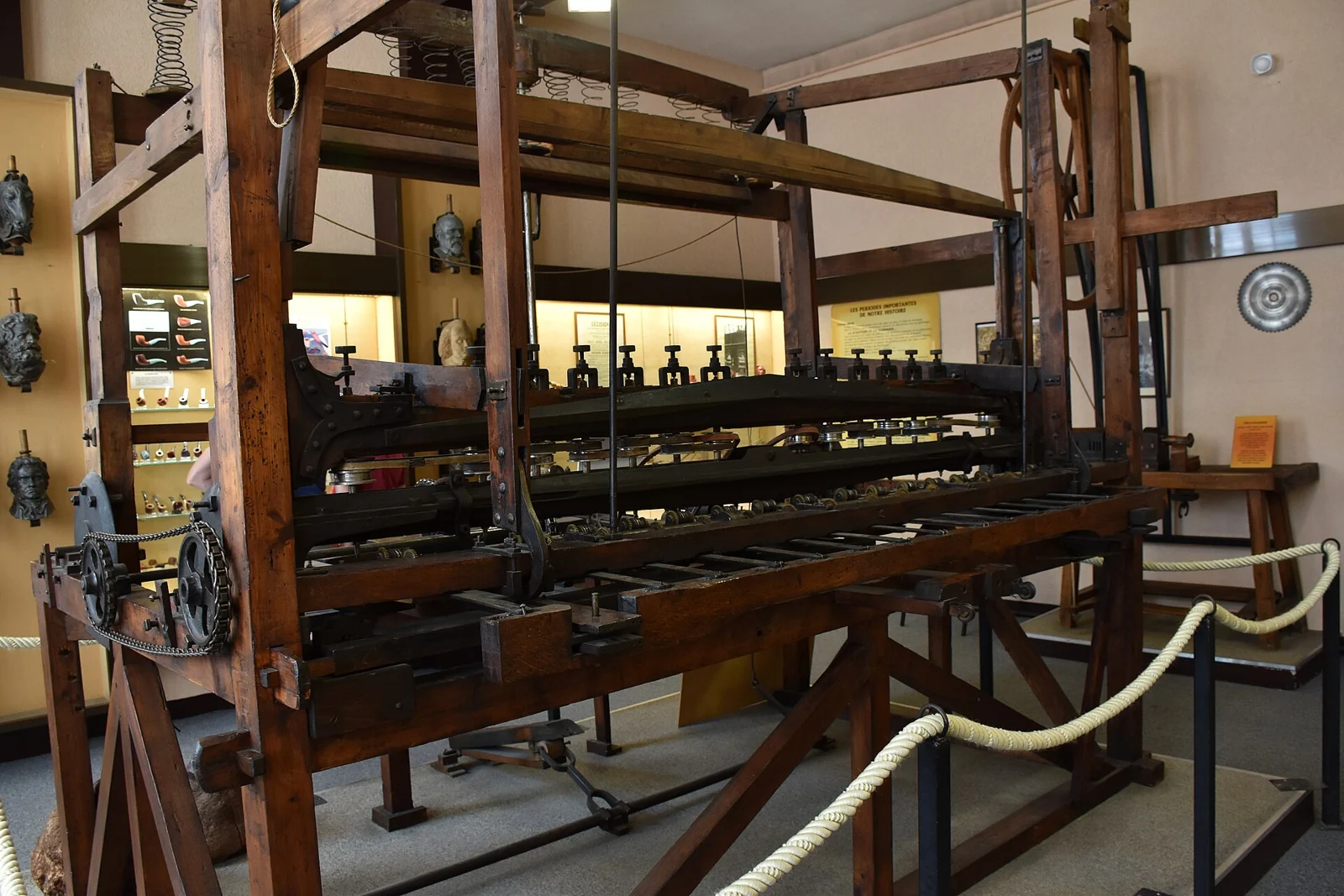
In Saint-Claude, tobacco-pipe making became a distinct specialism among woodworkers.
WebsiteFood
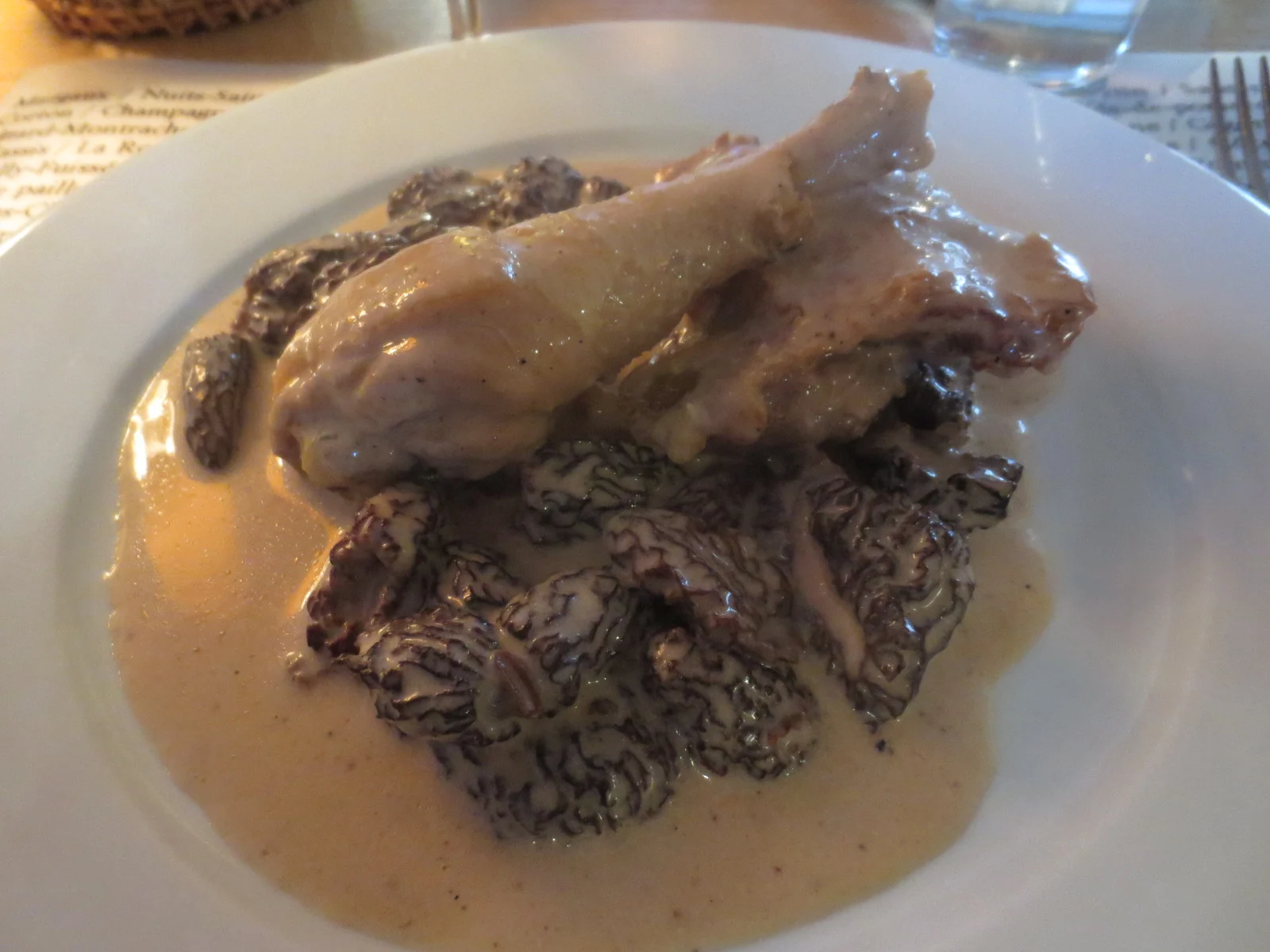
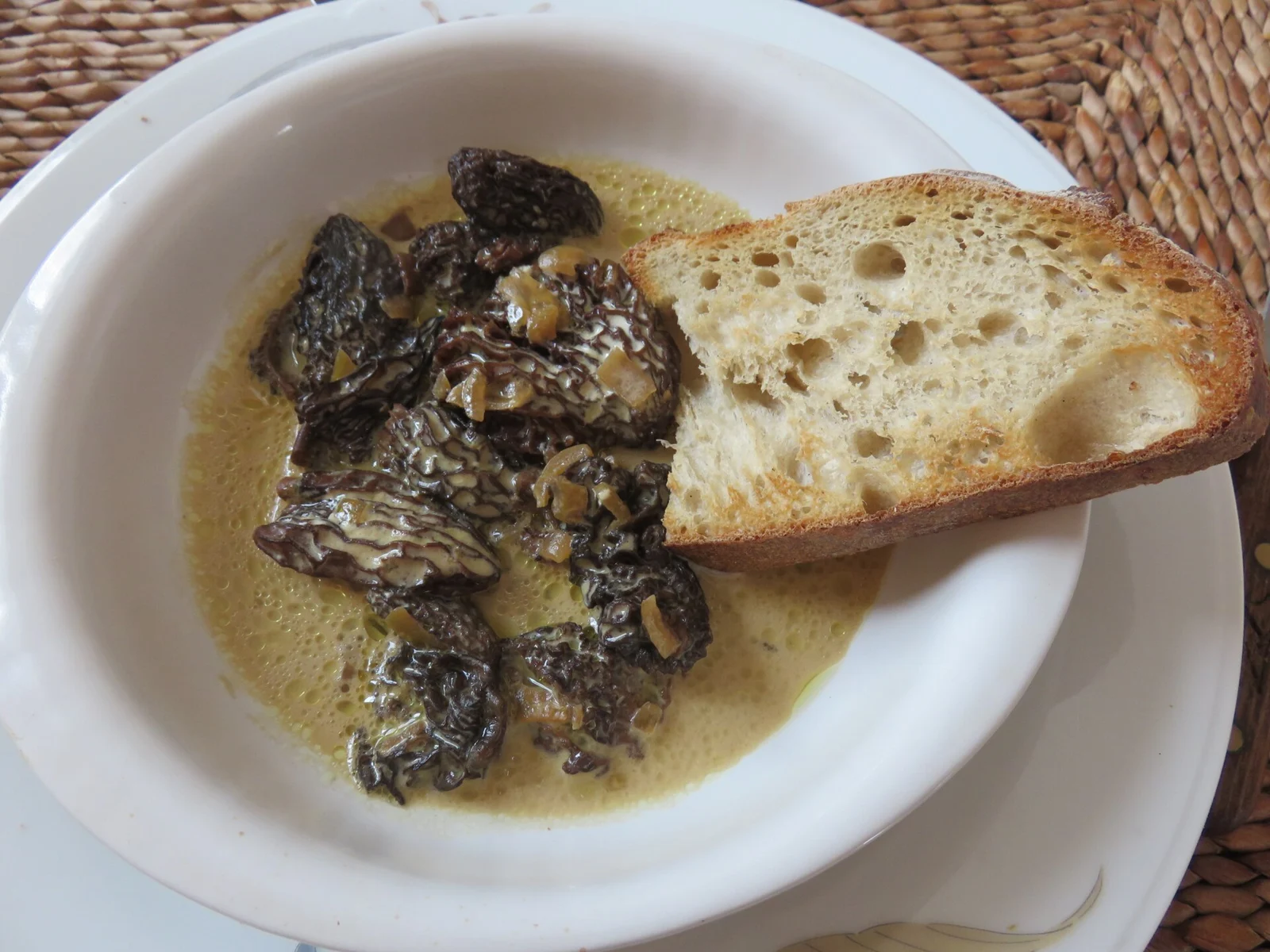
Mountain and dairy cooking: everything is made with vin jaune and served with Comté.
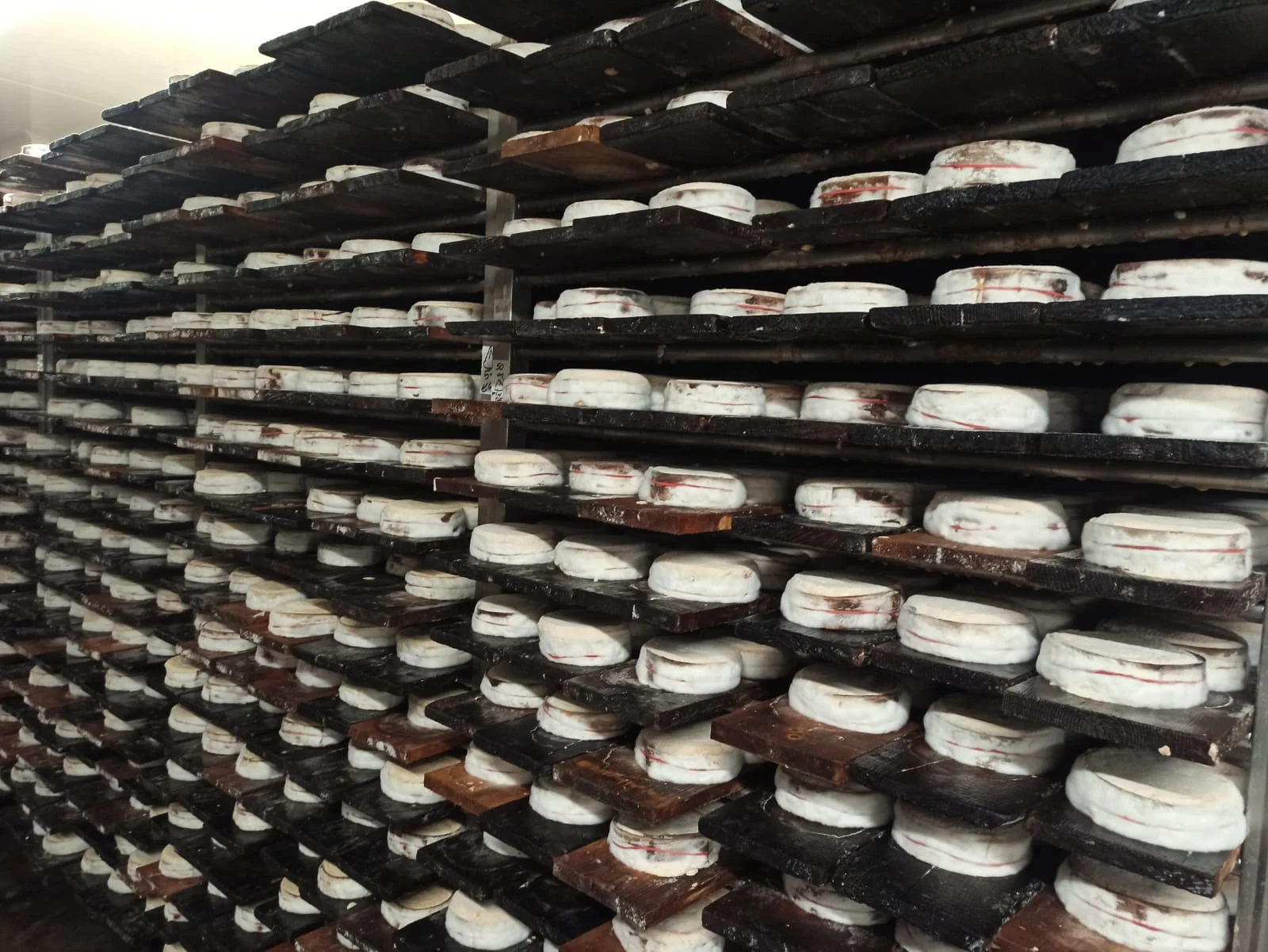
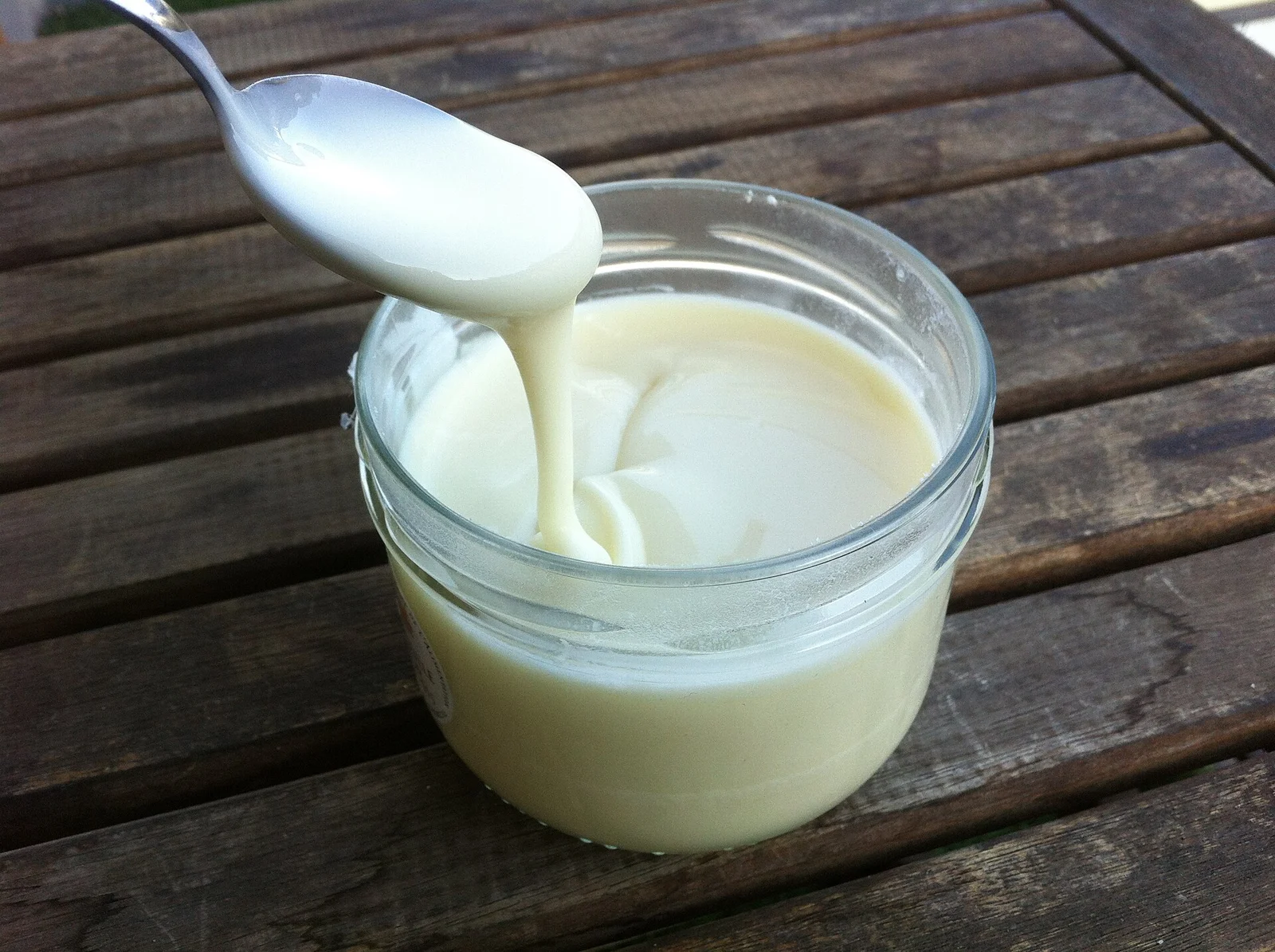
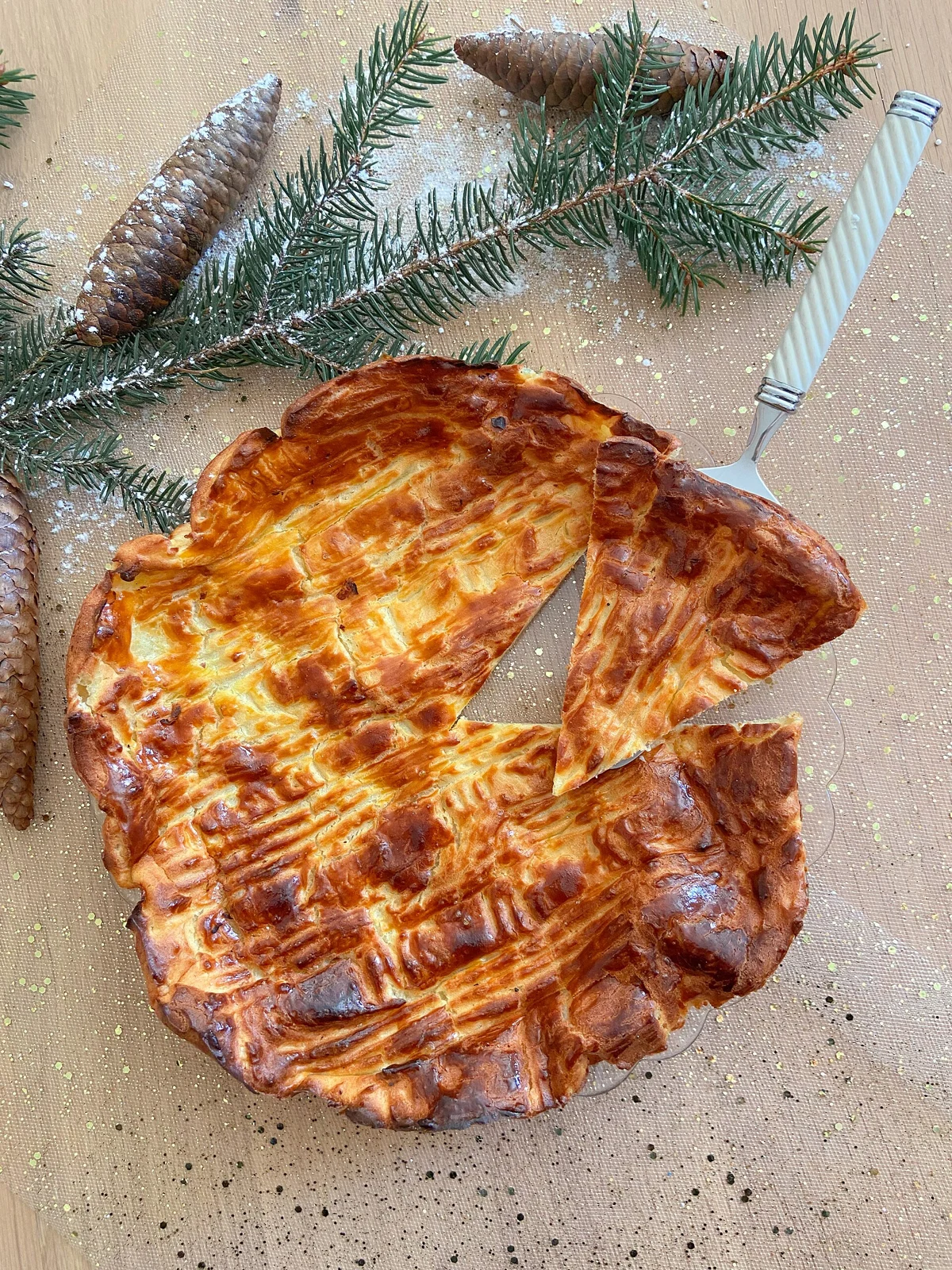
This soft galette from the Franche-Comté tradition provides a sweet finish to a cheese and wine itinerary.
WebsiteProducers
Cellars, cooperatives and cheese dairies you can visit for a tasting.
Estate
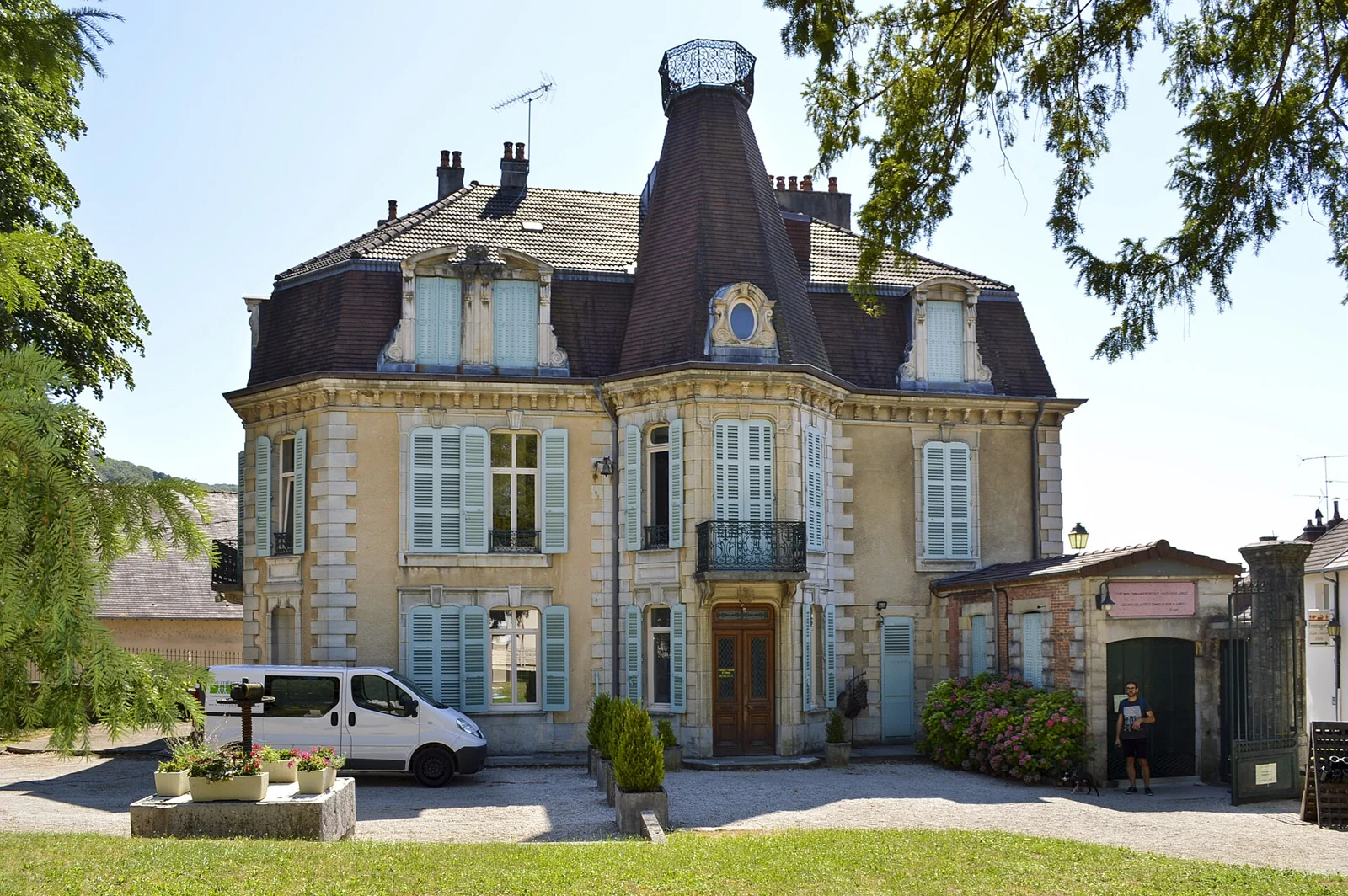
Family estate in Arbois. Tasting room in the town centre and a 14th-century cellar in Aiglepierre.
Cooperative
The Fruitière Vinicole d'Arbois, a cooperative founded by 26 growers in 1906.
Estate
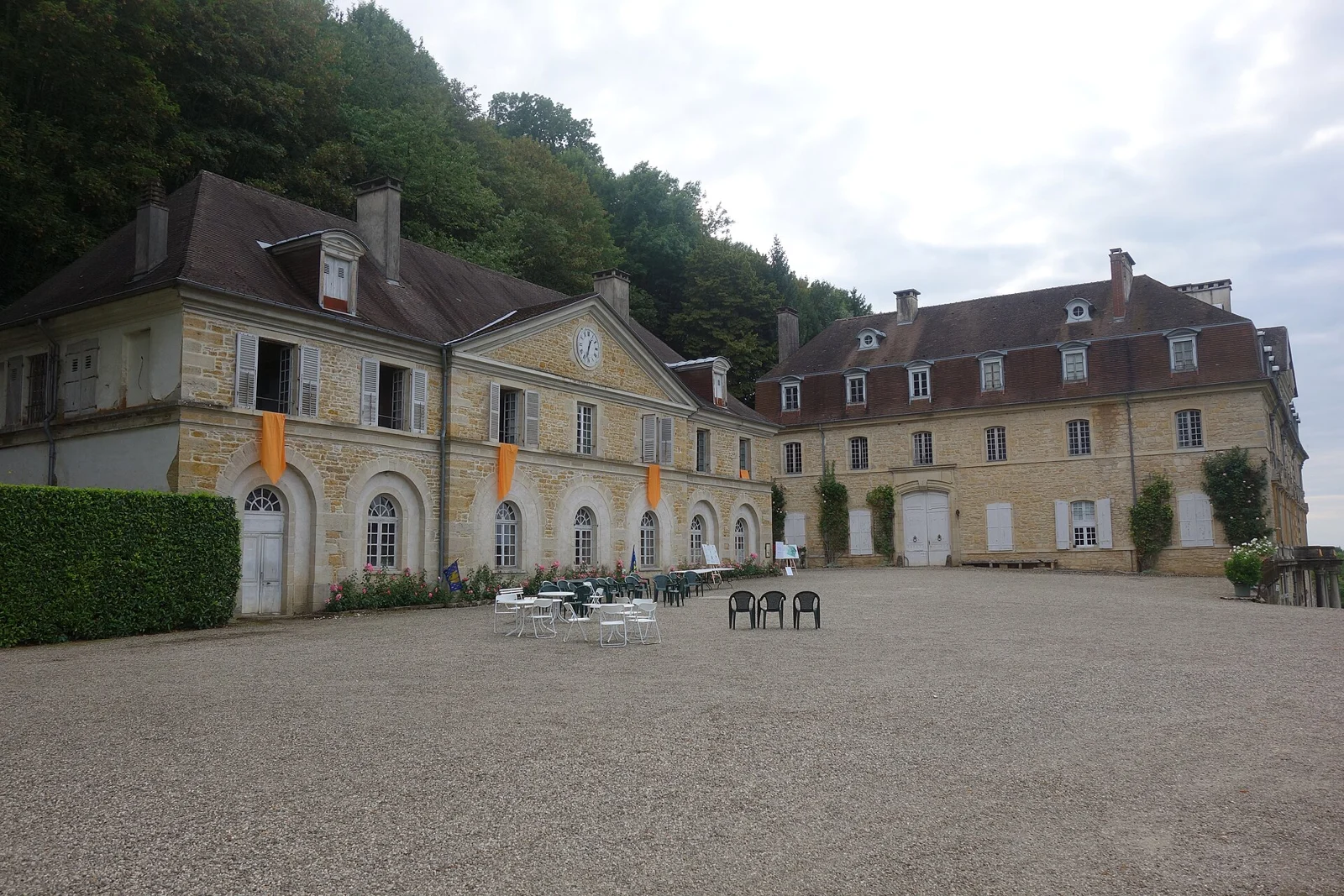
A wine château owned by the same family for centuries. Tasting room at the entrance, park in summer.

Cheese dairy
Comté museum with a self-guided visit of about 1.5 hours and a tasting at the end.
Ageing cellar
Comté ages in the casemates of an old fort at 8 °C. Tour of about 1.5 hours.
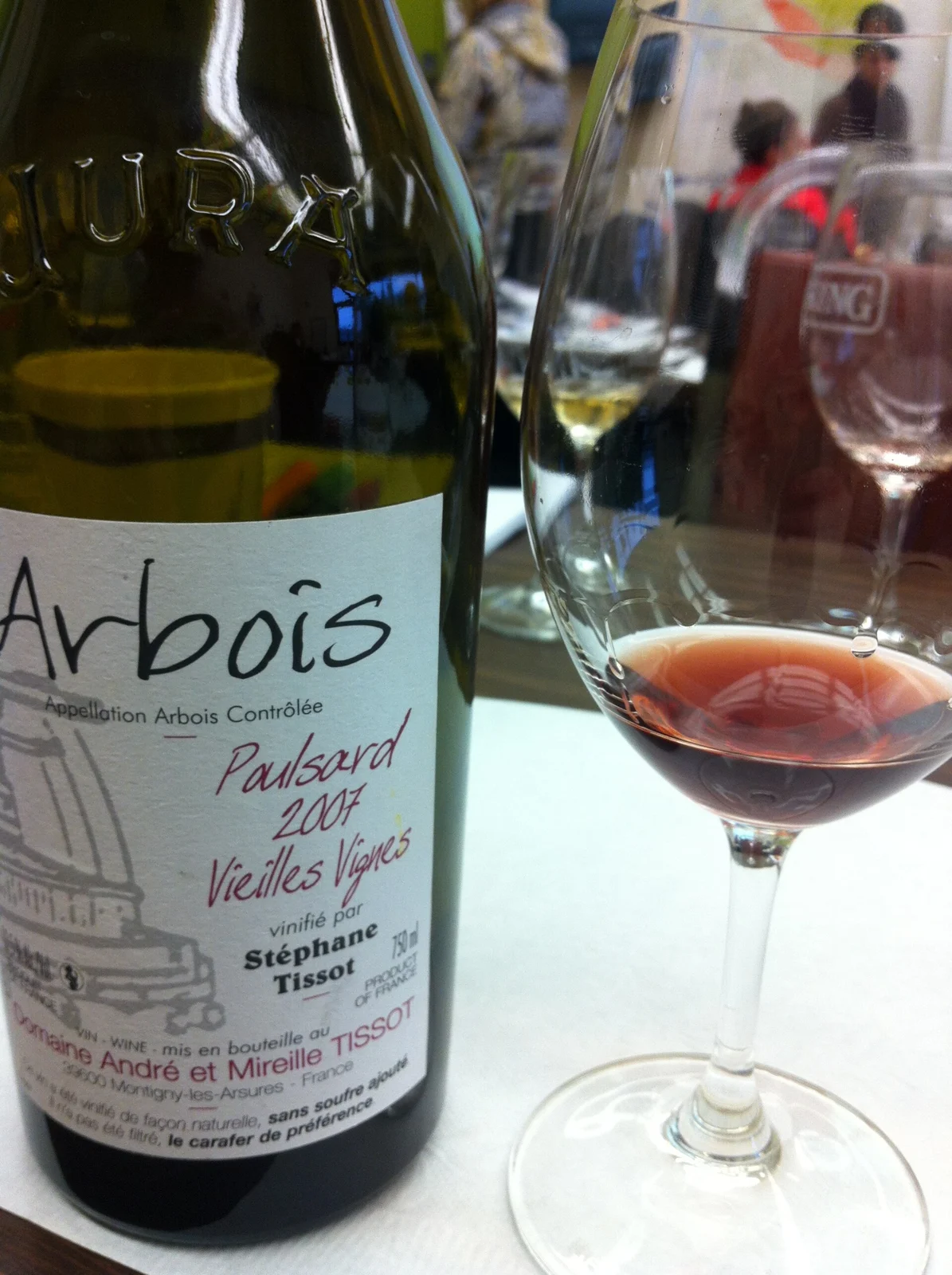
This wine estate in Montigny-lès-Arsures works with the grape varieties and terroirs of the Jura.
Website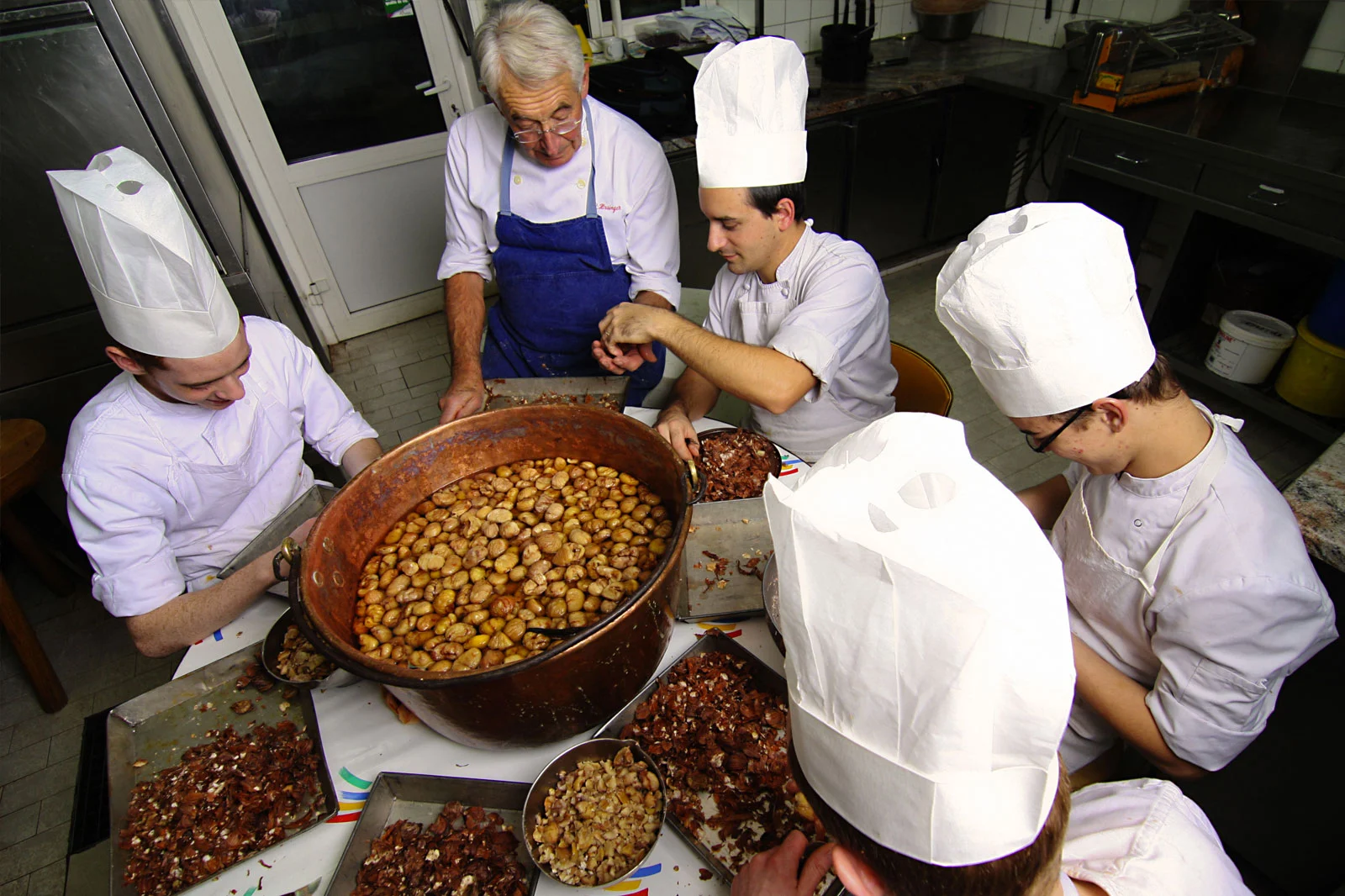
This family chocolate workshop in central Arbois makes chocolates and confectionery.
WebsiteThis cooperative dairy near Poligny produces Comté and other cheeses.
Website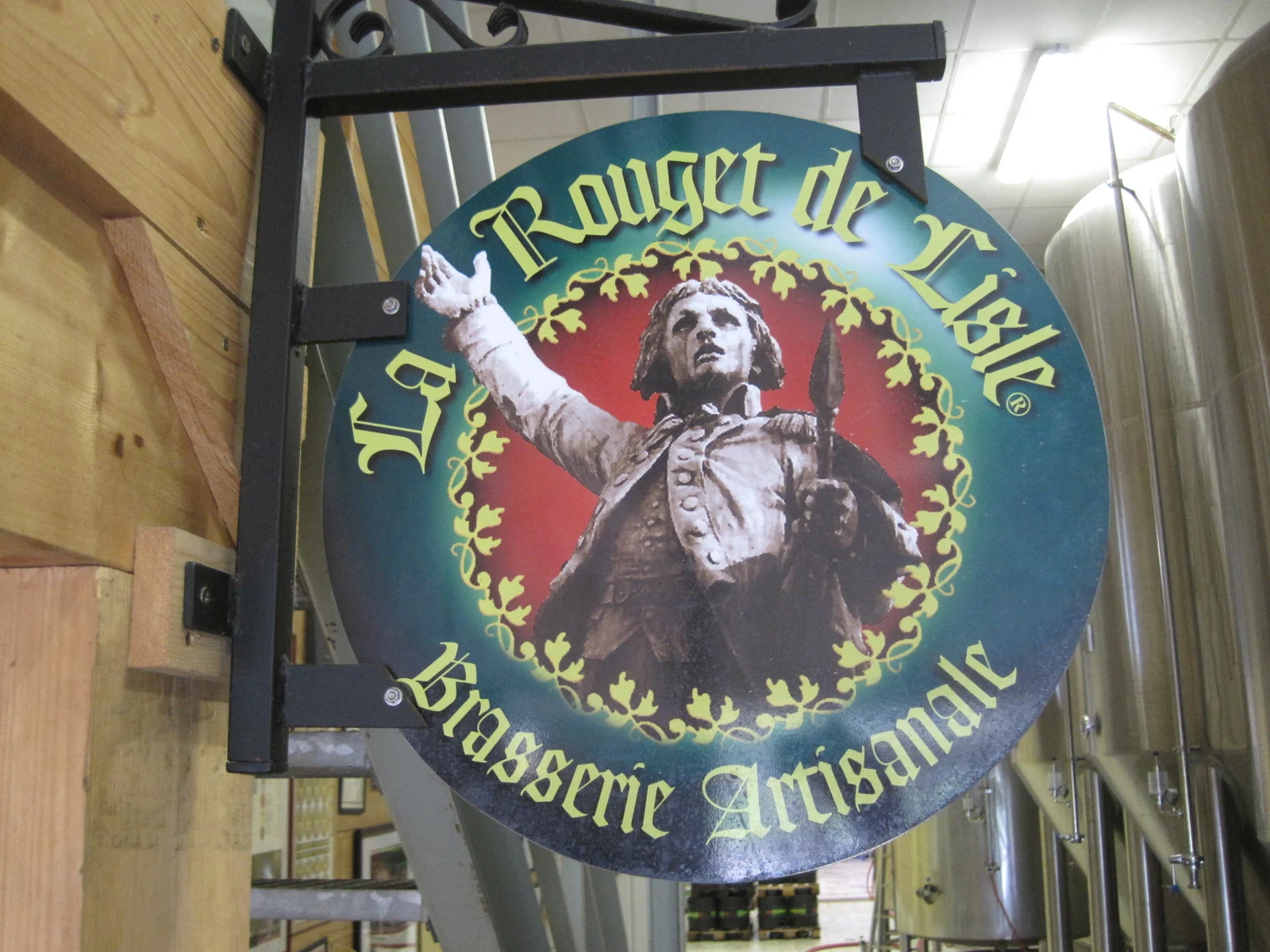
This Jura brewery produces its own beers and alcohol-free drinks.
WebsiteWhat to bring home
Wines you will not find elsewhere and cheese straight from the cellar.
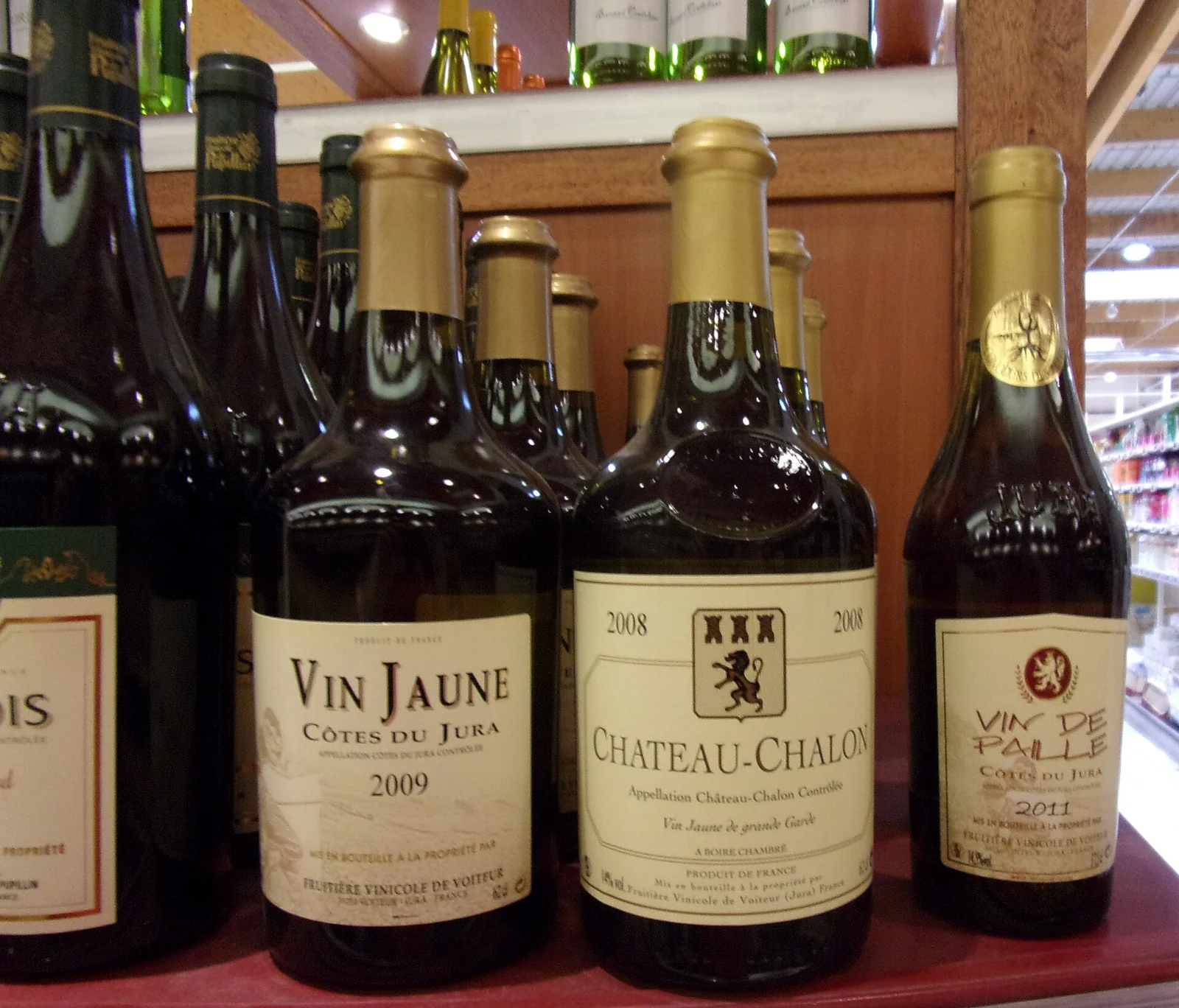
In the 62 cl clavelin. Château-Chalon costs more and keeps longer.
Wine
Tip: Taste at the estate and buy several vintages.
Estates in Arbois and Château-Chalon
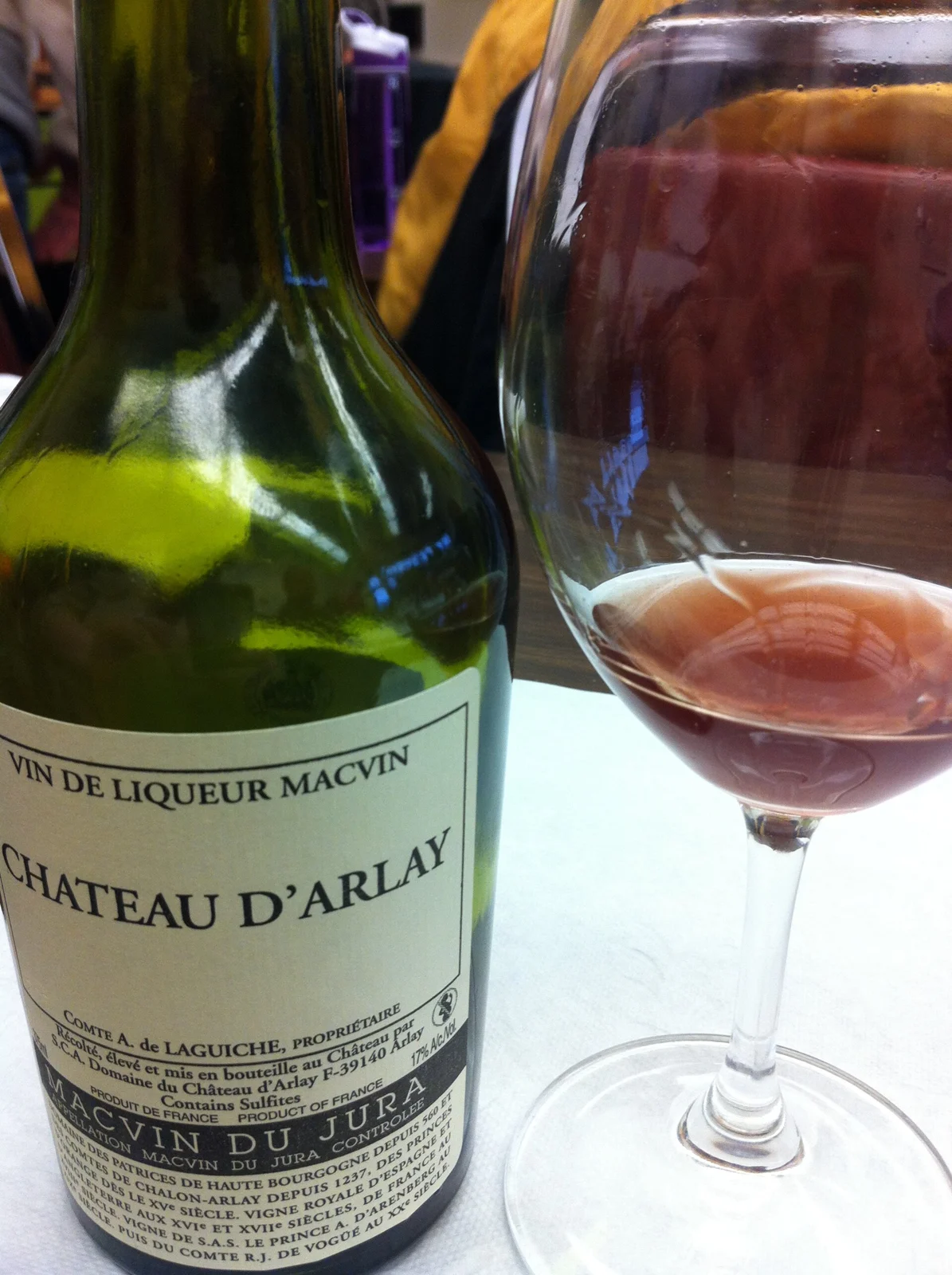
Sweet wine for dessert and cheese.
Wine
Estates and cooperatives
Aperitif of grape juice and marc.
Wine
Estates, Arbois cooperative
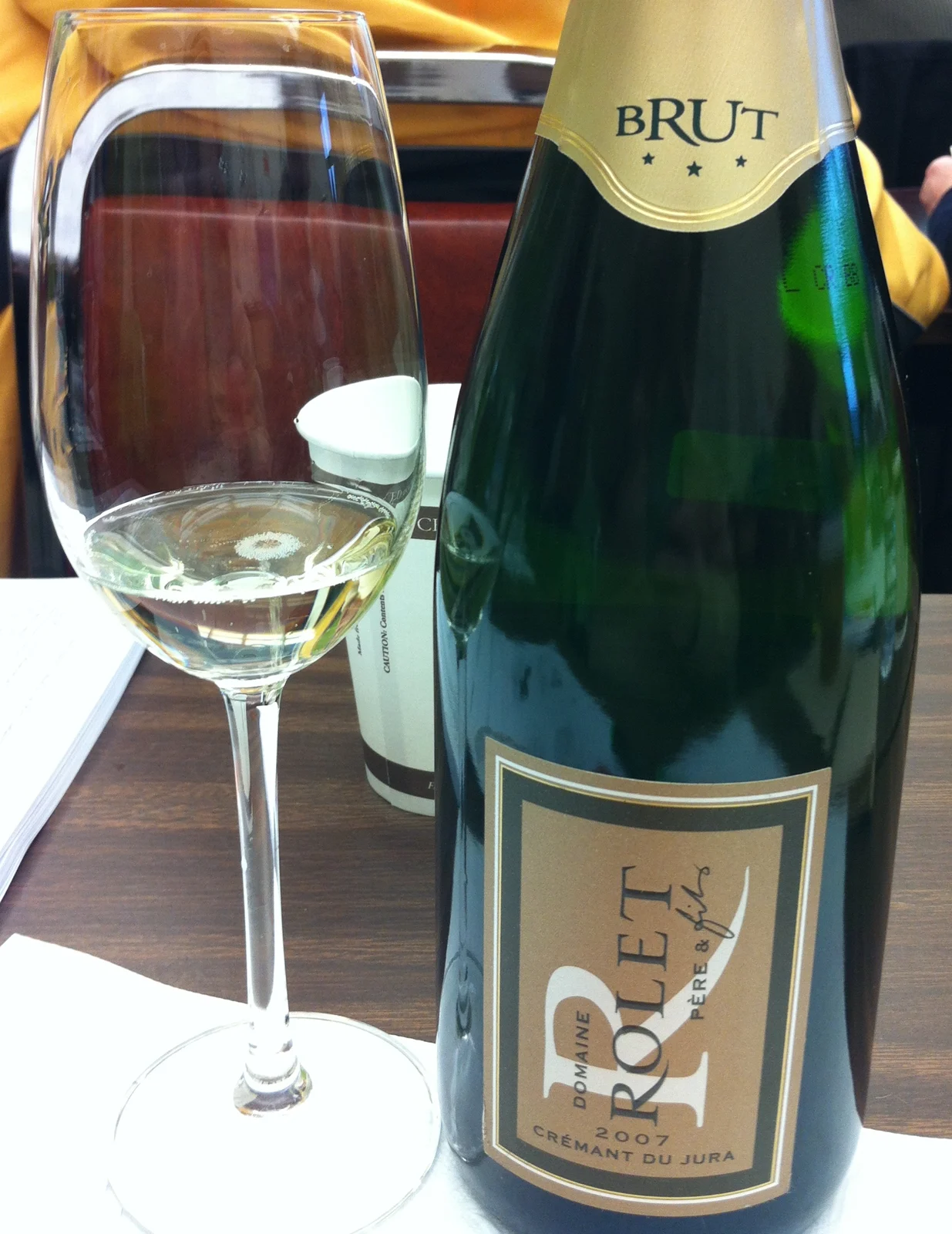
The region's sparkling wine, almost a third of Jura sales.
Wine
Estates, cooperatives
Hard cheese aged 12–24 months.
Food
Tip: Vacuum-packed, it travels well by plane.
Village dairies, Maison du Comté
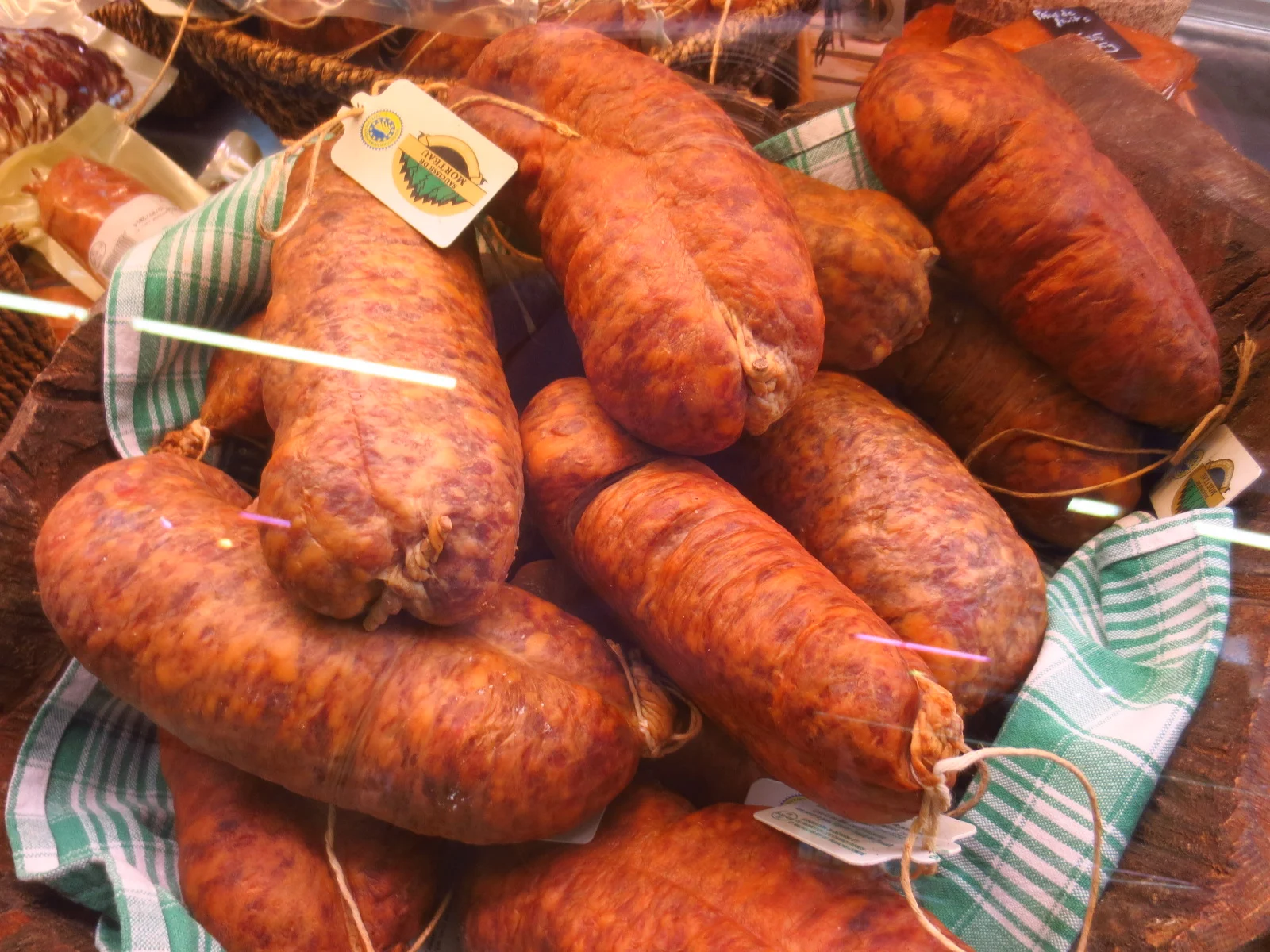
Smoked IGP sausage.
Food
Tip: Look for the wooden peg and the IGP logo.
Butchers, markets
A frame with a verified place of manufacture recalls the local eyewear-making tradition.
WebsiteChoose a wooden toy from a maker connected with the region’s craft tradition.
WebsiteA small wooden object from a local workshop introduces the Jura’s traditions of woodturning and wooden household wares.
WebsiteChoose a small jar of honey by the beekeeper’s name and the stated origin.
WebsiteWhere to stay
A château in the Loue valley, a hotel inside a UNESCO saltworks and small houses in Arbois.
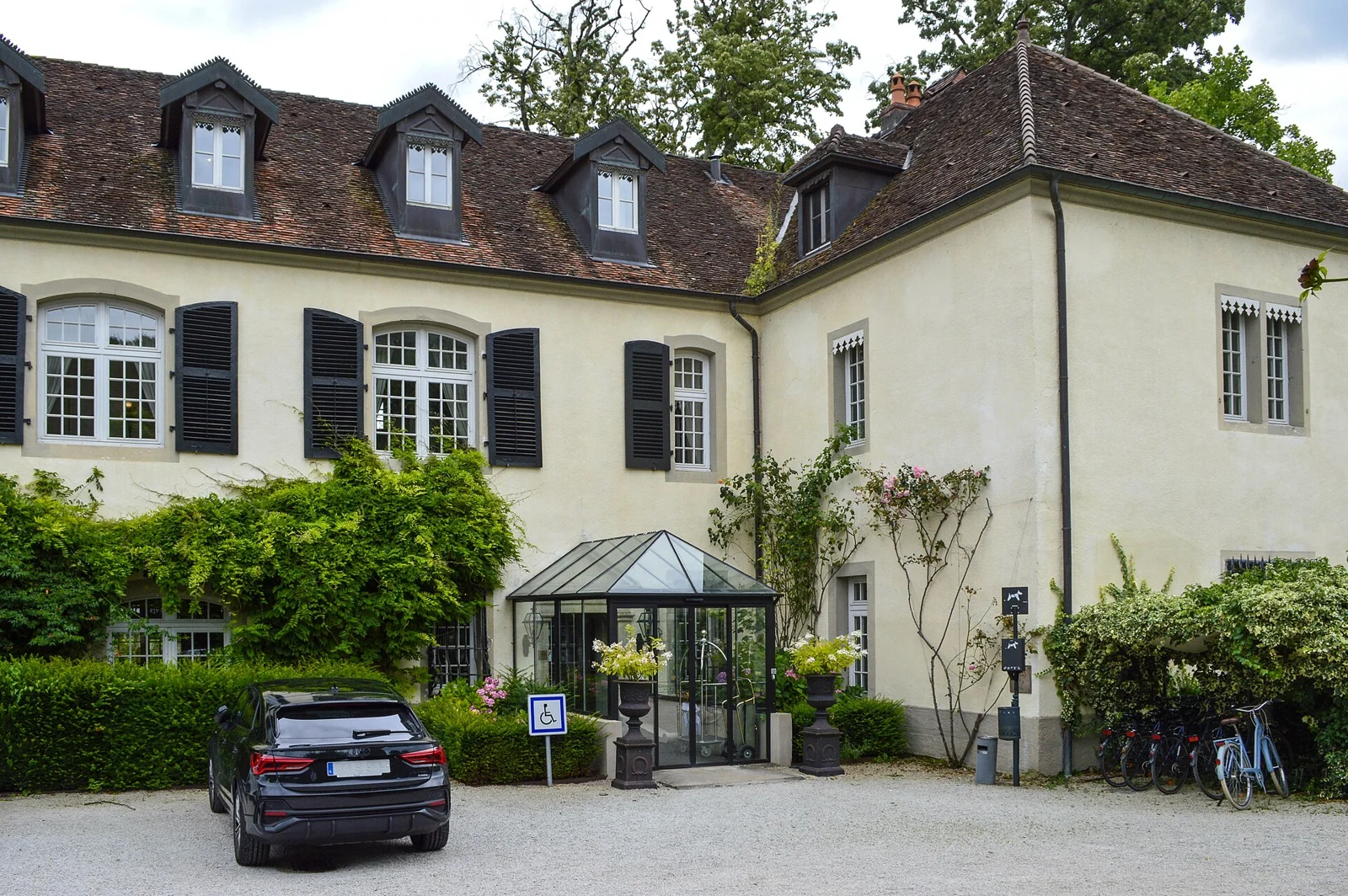
Port-Lesney
Château in the Loue valley, a Relais & Châteaux member since 1999. Maison Jeunet moved here from Arbois in 2021.
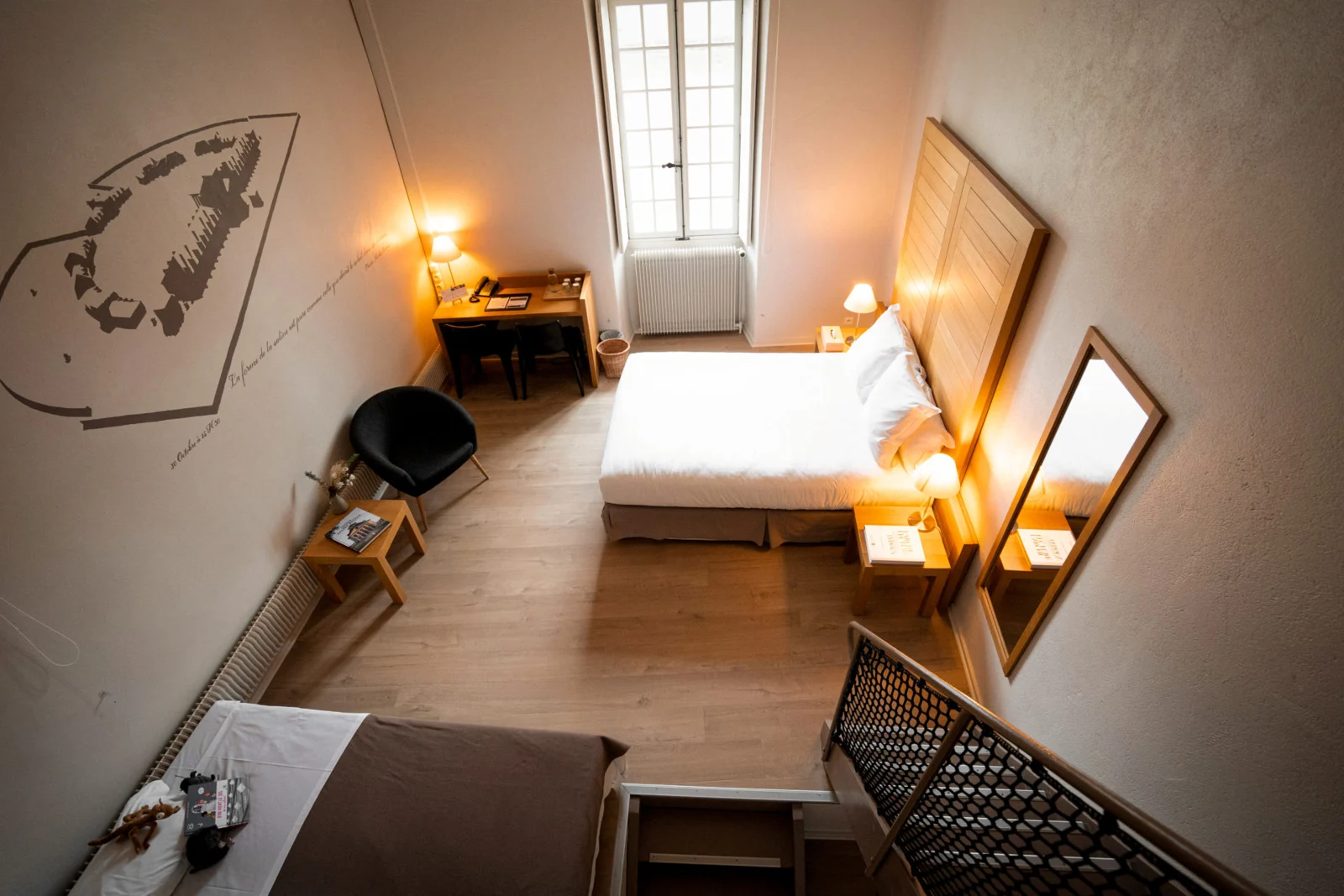
Arc-et-Senans
Hotel inside the UNESCO saltworks. Entry to the exhibitions and gardens included.
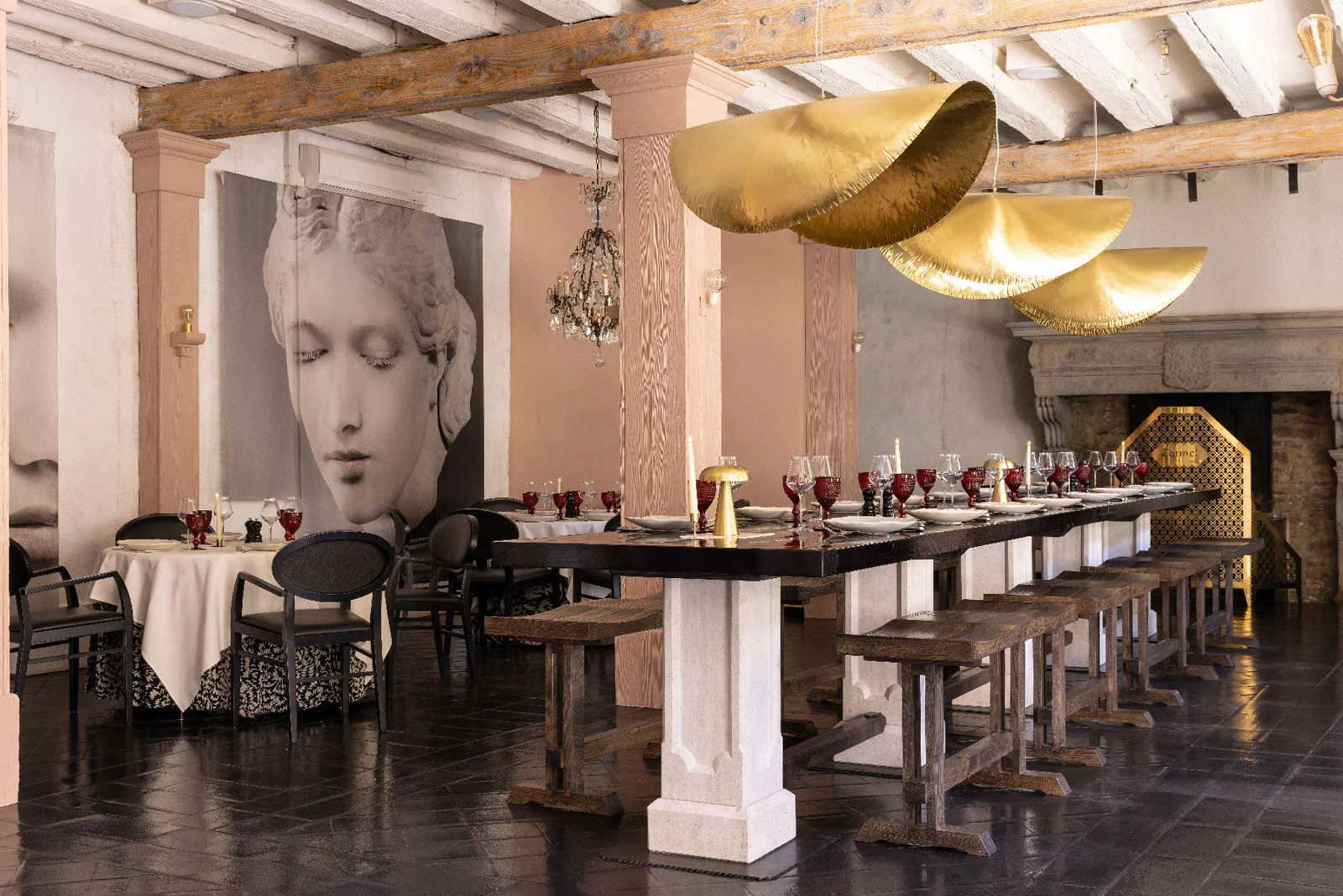
Arbois
Hotel in central Arbois, in the former Maison Jeunet building. Rooms renovated in 2022.
Arbois
Guesthouse in a 17th-century building, selected by the Michelin Guide.
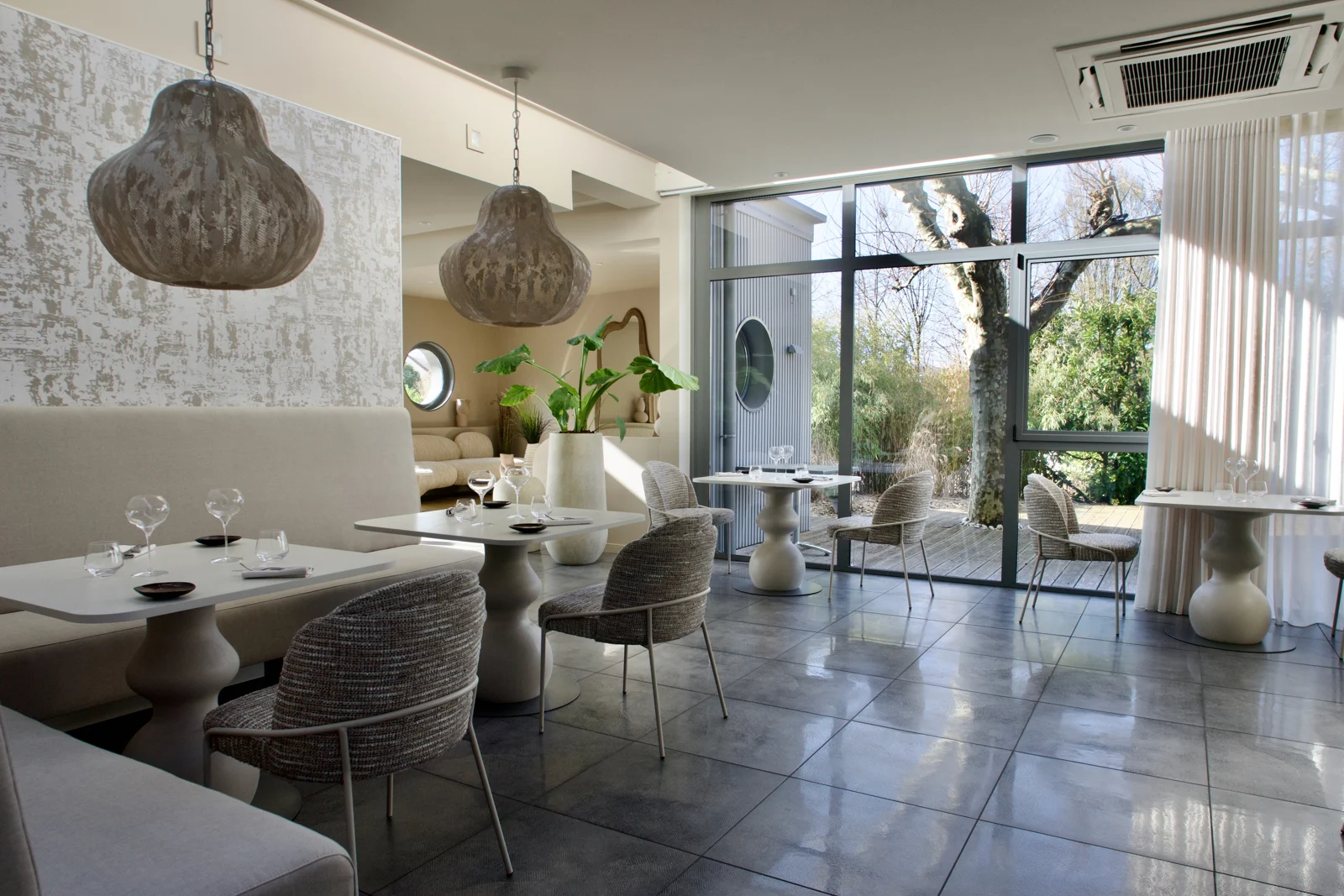
Saint-Germain-lès-Arlay
Former 17th-century coaching inn among the vineyards, with chef Marc Tupin's restaurant.
Route Examples
A self-drive route based in Arbois.
Pasteur's house, a tasting at Château Béthanie or Rolet. In the afternoon Pupillin, 3 km away, with its cooperative and Poulsard vineyards. Dinner in Arbois.
Morning in Château-Chalon and its viewpoints, then Baume-les-Messieurs. In the afternoon the Hérisson waterfalls. You can stop at the Maison du Comté in Poligny on the way.
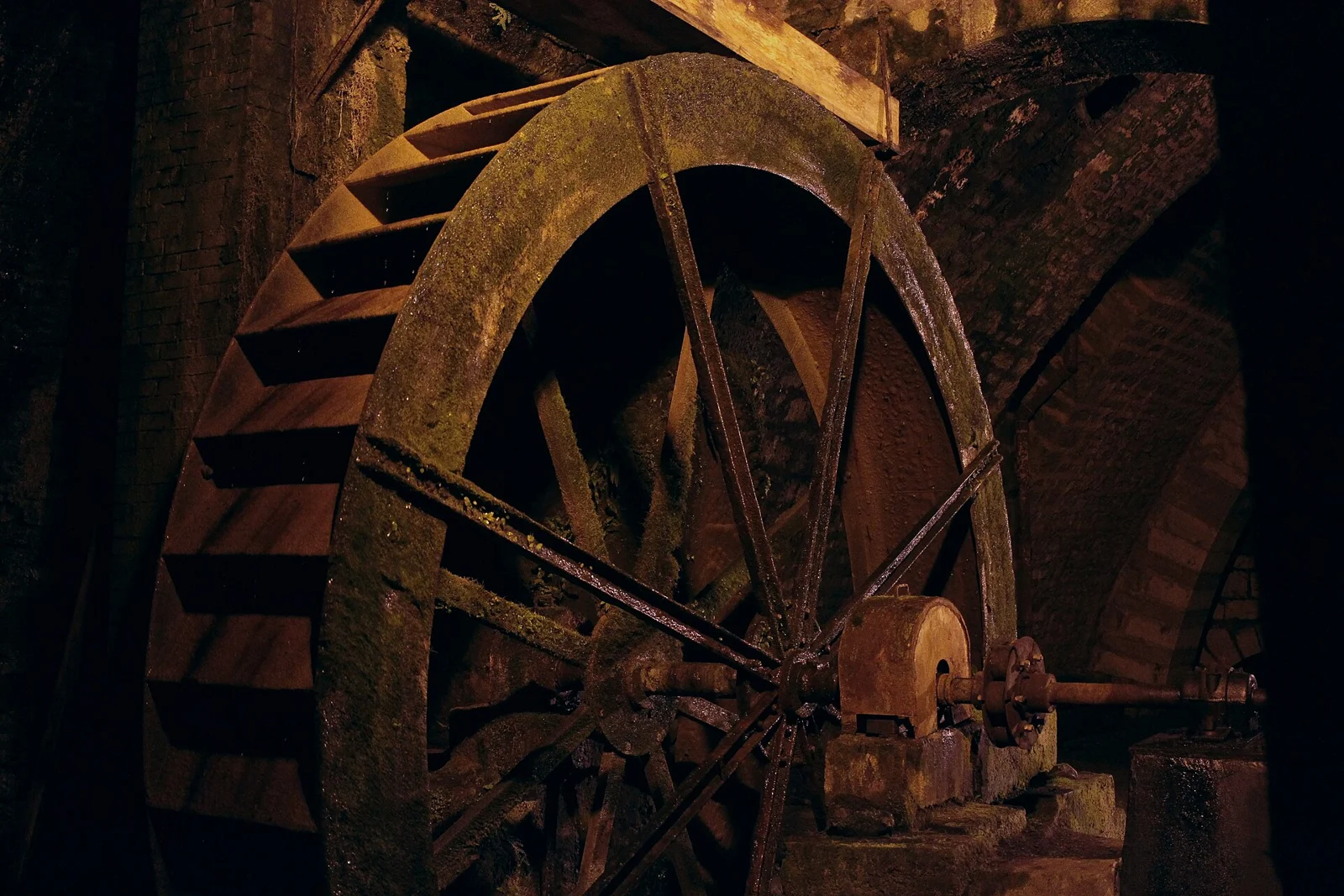
Guided tour of the Great Saltworks in Salins, then the Royal Saltworks of Arc-et-Senans. A combined ticket covers both. Optionally the Besançon citadel.
I will plan your Jura trip for your dates: cellars, dairies and villages.
Find a tourExperiences
Cellars, dairies, waterfalls and winemakers' festivals.
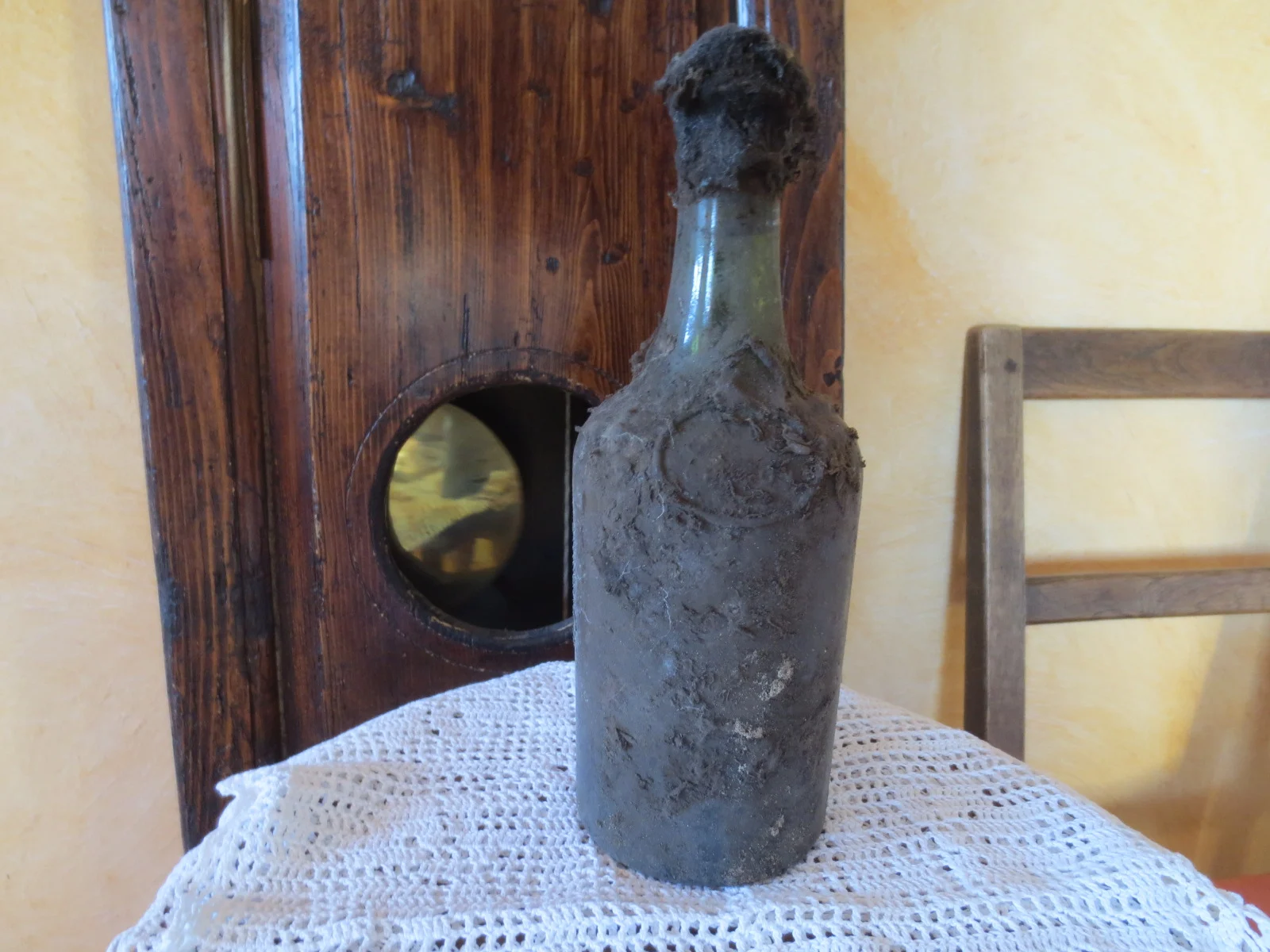
Estates in Arbois and Château-Chalon: vin jaune from several vintages, Savagnin, vin de paille.
How 400 litres of milk become one wheel, and what separates 12 months from 24.
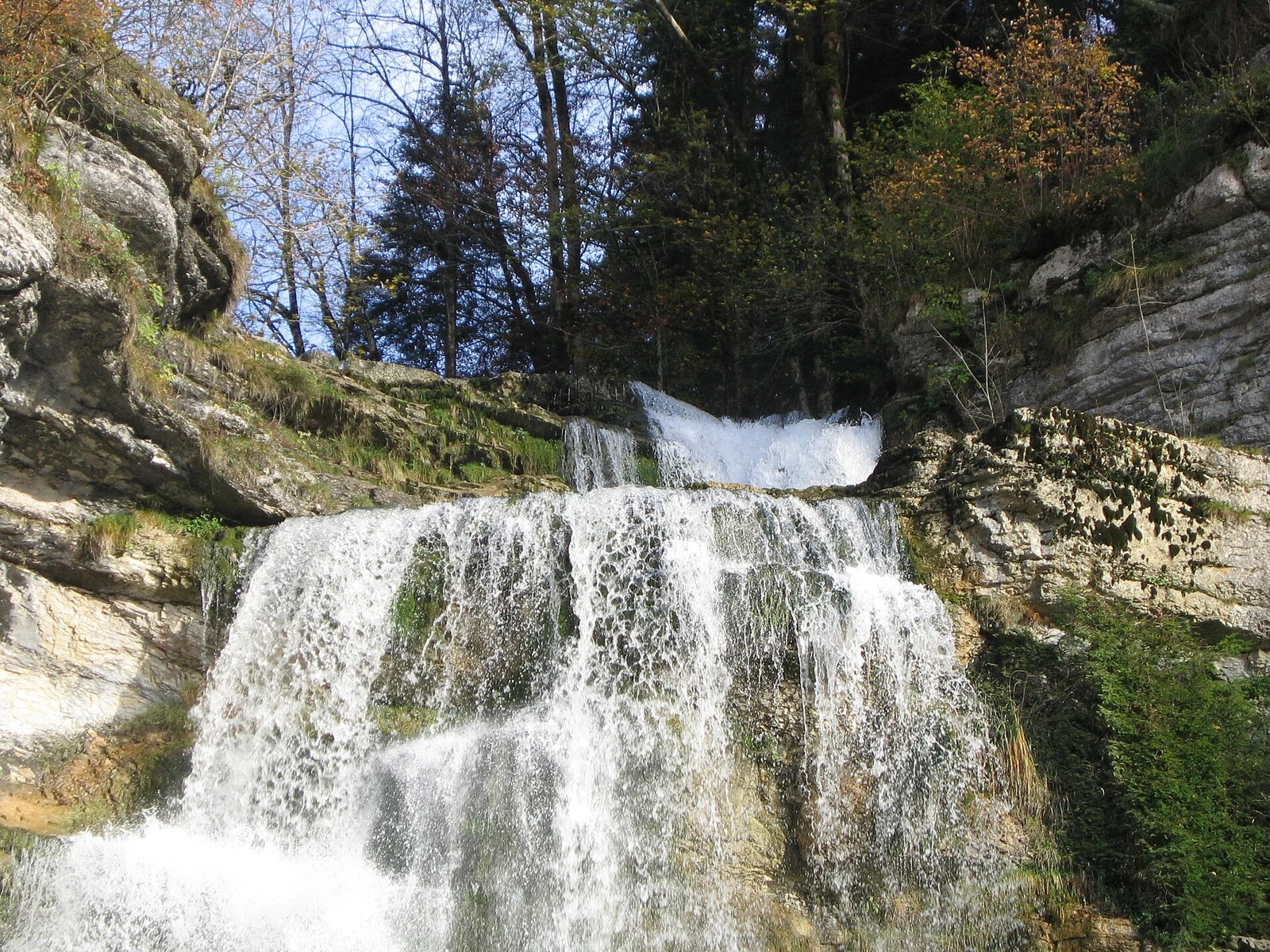
A trail along 31 waterfalls, at their fullest in spring and autumn.
The underground gallery in Salins and Ledoux's ideal city in Arc-et-Senans.
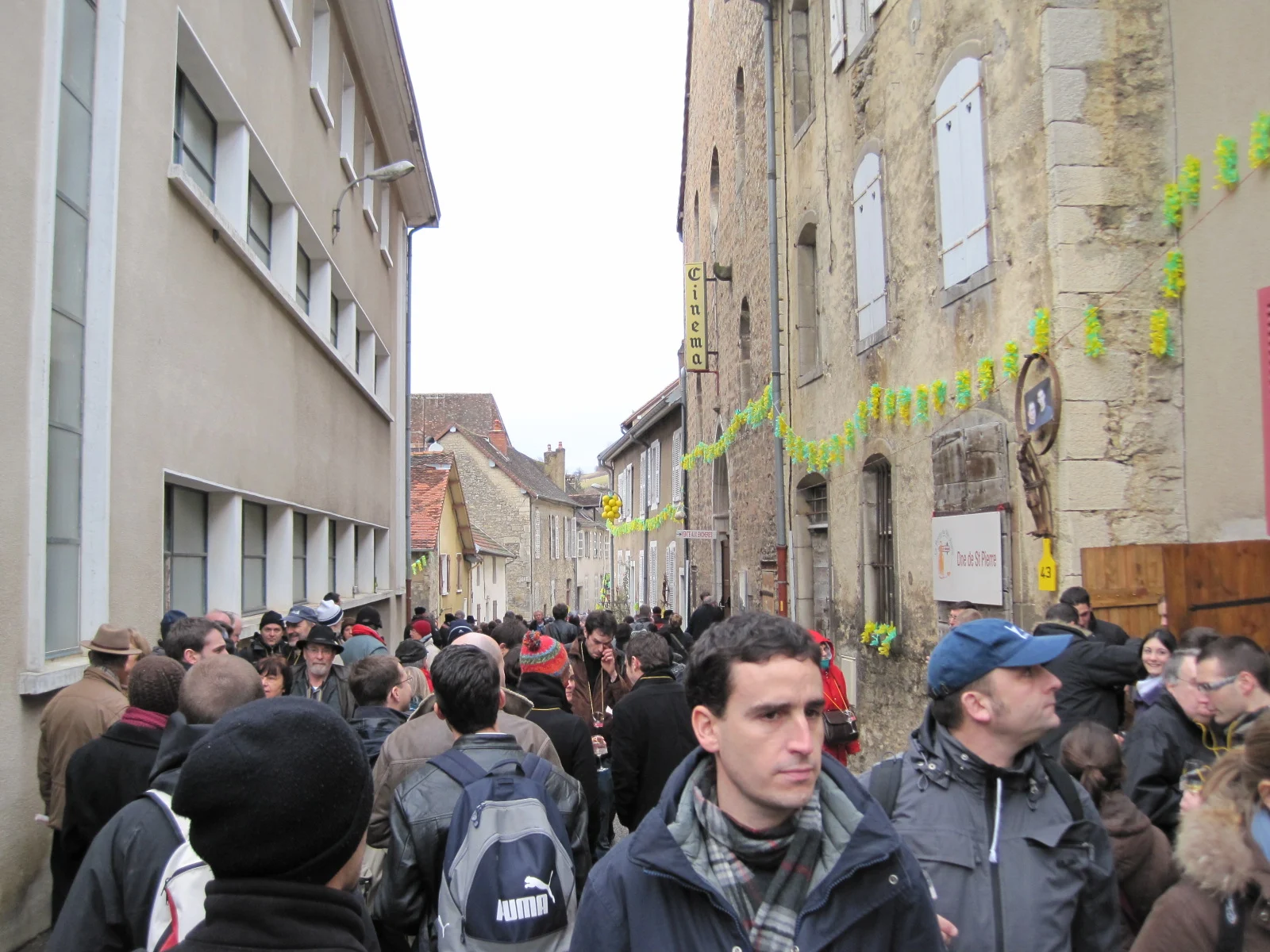
The Jura's biggest wine festival on the first weekend of February.
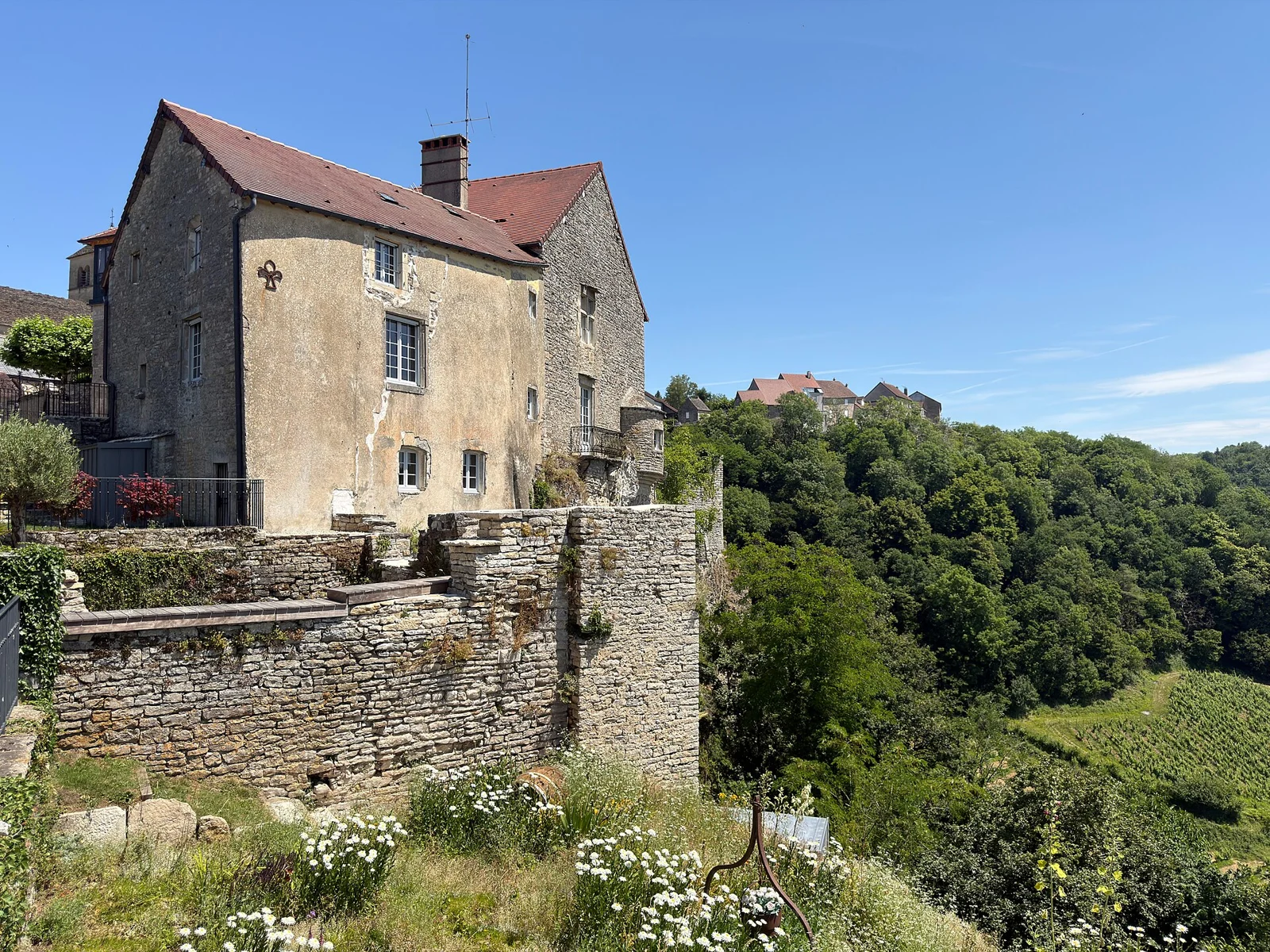
Château-Chalon and Baume-les-Messieurs: views over vineyards and valleys.
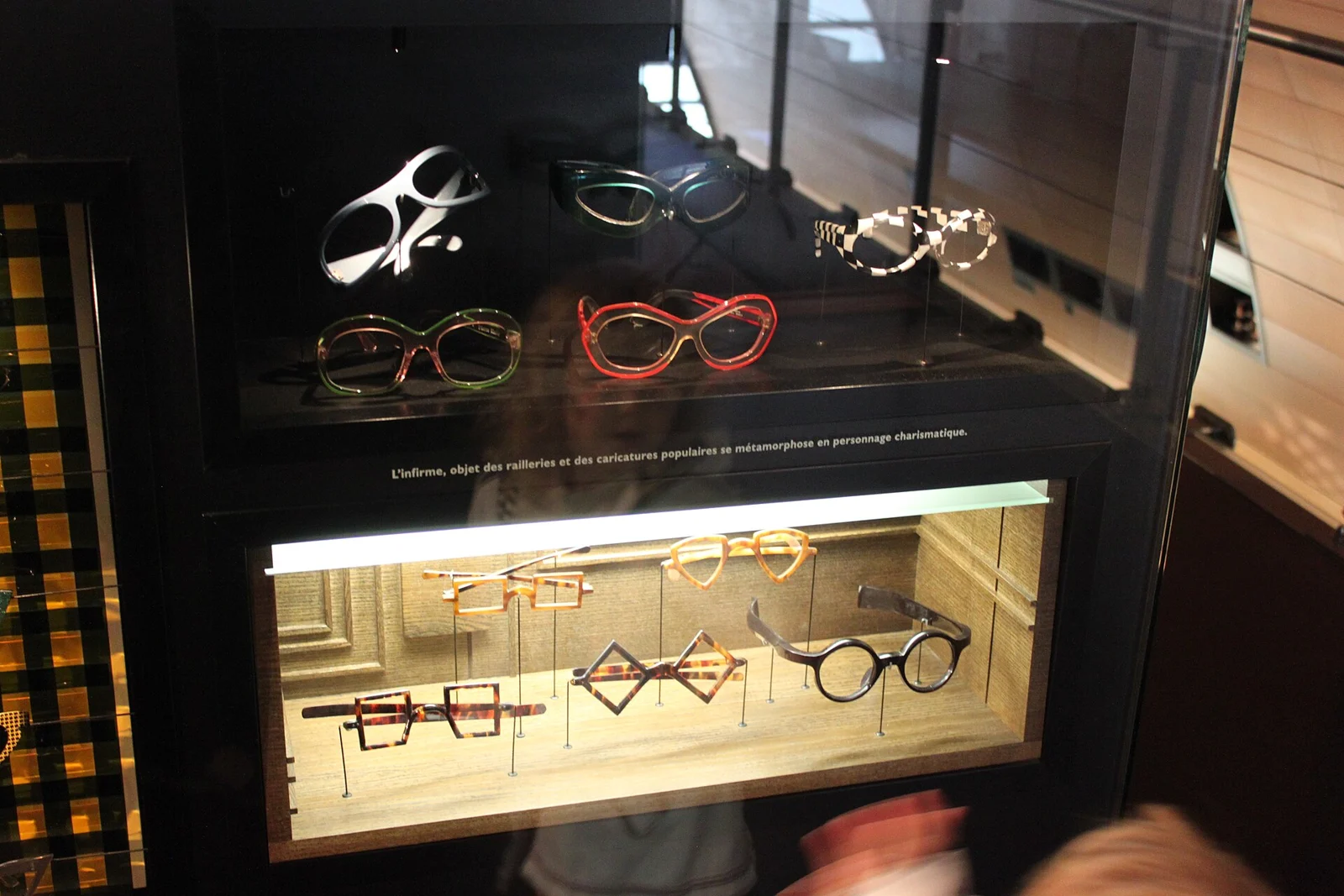
The museum explains how the craft of metal-frame making developed into eyewear manufacturing.
Website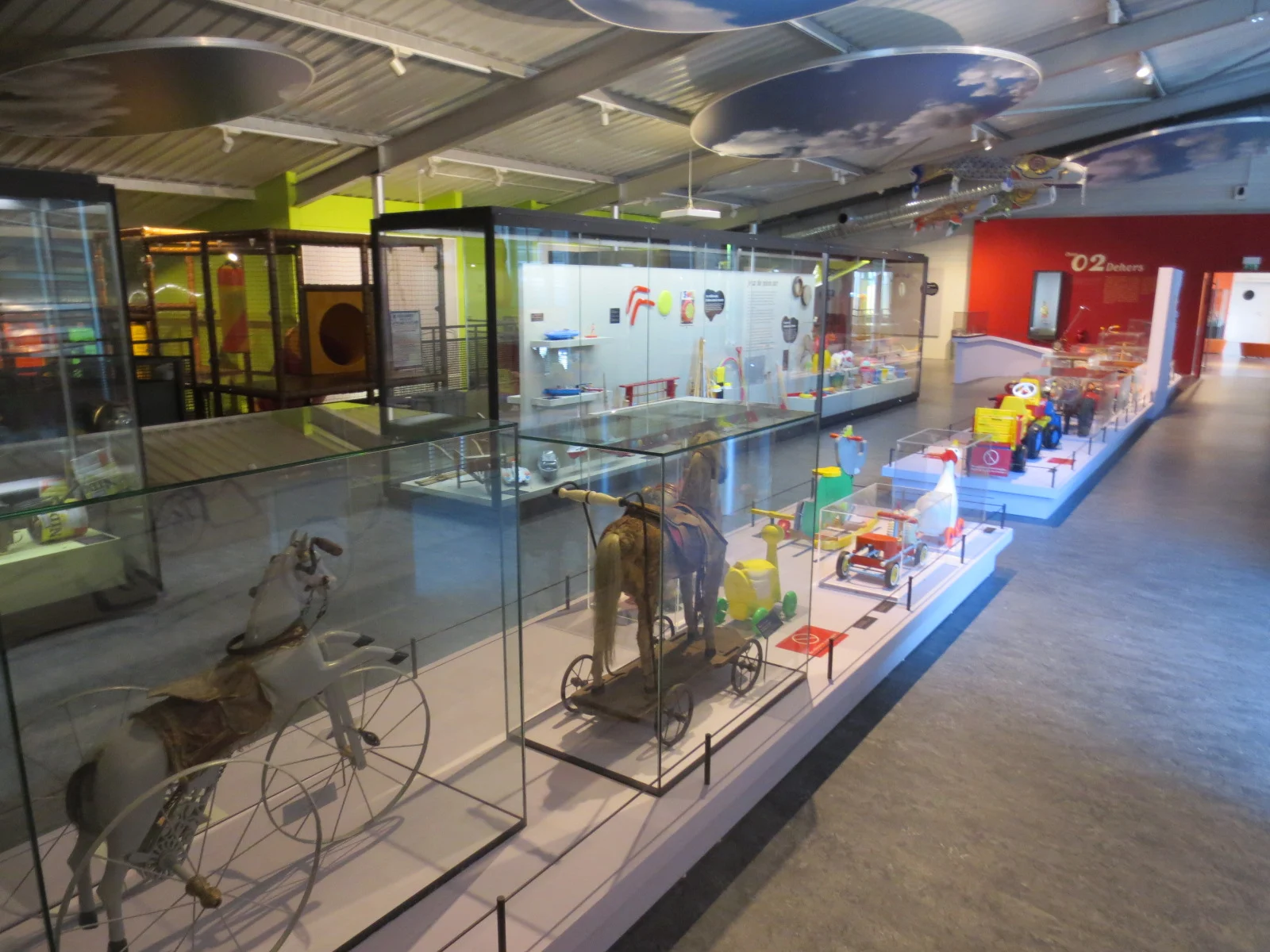
The museum’s collections introduce the history of toys and toy making in the Jura.
Website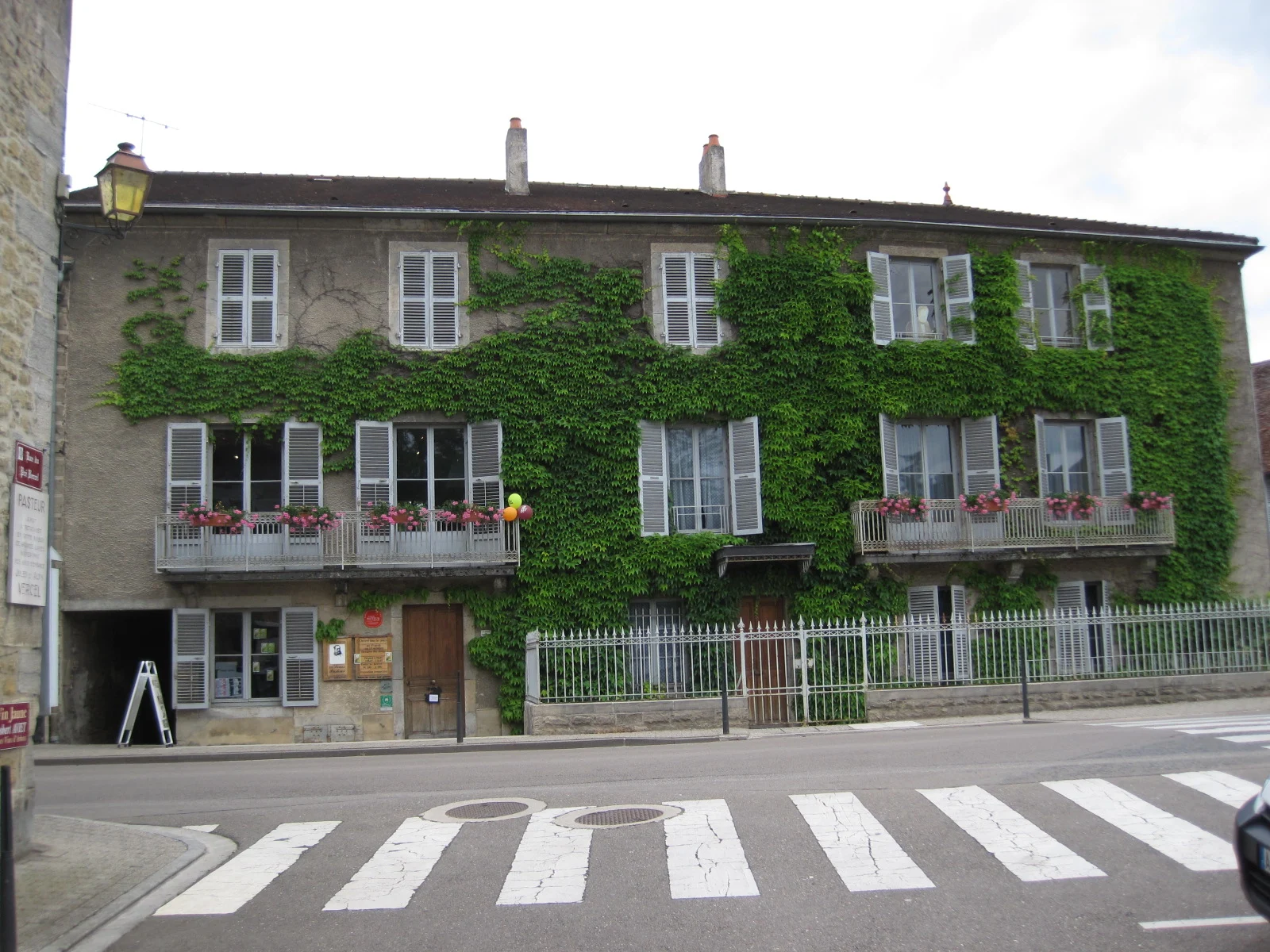
Louis Pasteur’s house introduces the scientist’s life and his connection with Arbois.
WebsiteFAQ
Answers to common questions about a trip to the Jura.
April to October, when the abbey and caves of Baume-les-Messieurs and the saltworks gardens are open. The waterfalls are fullest in spring and autumn. September brings the Biou festivals and the harvest, February the Percée du Vin Jaune. Mont d'Or is sold from 10 September to 10 May.
By train from Gare de Lyon to Mouchard (direct TGV in about 2 h 20) or via Dole, then a TER to Arbois. A car is more practical, as villages and estates are spread over the hills.
It is made only from Savagnin and aged for at least 6 years and 3 months, including 5 years in casks that are never topped up. As the wine evaporates a veil of yeast grows on top and gives it nutty, spicy flavours. That is why the bottle is smaller: 62 cl.
Yes. The Maison du Comté in Poligny offers a visit with a tasting, and the Juraflore cellars in the Fort des Rousses can be toured by booking. Many village dairies sell cheese on site.
Geneva and Lyon, about 1.5–2 hours away by car. The small Dole-Jura airport has a few low-cost flights.
Art Wine Guide
Tell me when you want to travel and what you enjoy, and I will plan a route through the Jura's cellars, dairies and villages.